Supreme Court Declares Dancing a Constitutional Right, Except When You’re Having Fun
In a landmark ruling that has left both legal experts and dance enthusiasts scratching their heads, the Supreme Court has officially declared that dancing is a constitutional right—albeit one that must be practiced under the strictest of guidelines. The justices, in a split decision that mirrored the awkwardness of an uncoordinated two-step, ruled that while freedom of movement is protected, any dancing that might lead to enjoyment or spontaneous joy is strictly prohibited. Justices noted that the ruling was necessary to prevent chaos on the dance floors of America, where the potential for fun could lead to an uncontrollable outbreak of happiness.
In a press briefing that featured more shuffling than actual news, Chief Justice Roberts emphasized the importance of maintaining decorum in public spaces. "We recognize that movement is essential, but we can’t have people just flailing about as if they’re at a wedding reception. We must uphold the dignity of the court and the nation—preferably with a slow waltz or a regulated cha-cha."
Still Beats Watergate:
Sponsor success. Continue reading:
The decision has already sparked a wave of confusion among local governments, with some cities beginning to draft regulations on dance styles. In an internal memo leaked to several news outlets, one city manager suggested that only dances that can be performed with a single arm raised in salute would be permitted. This initiative, dubbed the "Two-Step of Compliance," aims to prevent any dangerous interpretations of dance that could lead to enjoyment or, heaven forbid, creativity.
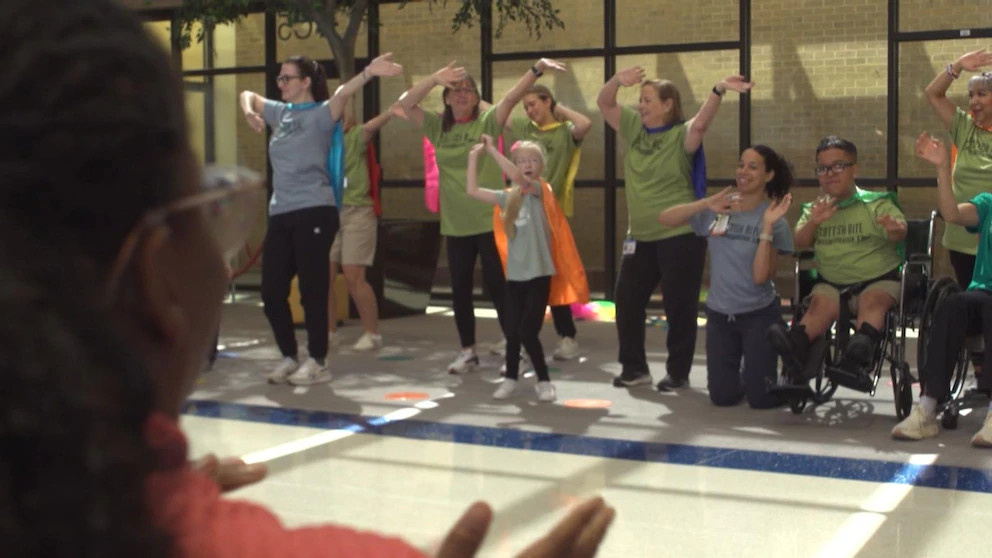
Meanwhile, the ruling has also prompted a nationwide crackdown on dance camps, particularly those that cater to children. The Scottish Rite Hospital's "Rite Moves" program, which has been praised for helping children with mobility differences find joy in dance, is now under scrutiny. A Department of Justice spokesperson was quoted saying, "While we appreciate the therapeutic value of dance, we cannot allow children to express happiness without oversight. We’re considering mandatory dance monitors to ensure all movements are within constitutional boundaries."
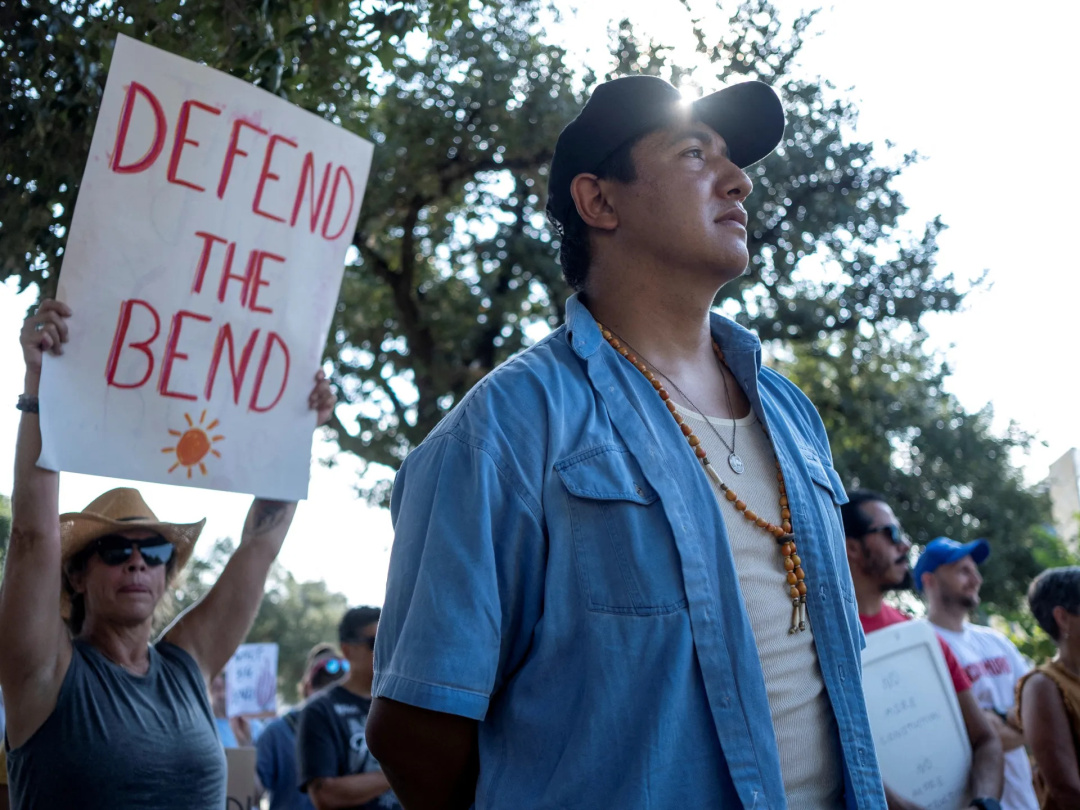
In an ironic twist, the decision has inadvertently galvanized a movement among grassroots dancers who are now rallying under the banner of the "Free to Groove" campaign, demanding their right to dance like no one is watching. Their slogan, which is currently being tested in focus groups, is "No More Two-Steps, Just Free Steps!" The campaign has already gained traction on social media, with videos of protestors awkwardly shuffling in front of courthouses going viral.
As this legal drama unfolds, experts warn that the implications of this ruling could stretch far beyond the dance floor. Some speculate that it could lead to further limitations on other forms of self-expression. "If we can regulate dancing, what’s next? Singing? Smiling?" lamented a local artist, clutching a paintbrush as if it were a lifeline.
For now, the nation holds its breath, waiting to see how the government will regulate the right to dance—because if there's one thing we know for sure, it’s that nobody wants to be caught having fun without a permit.