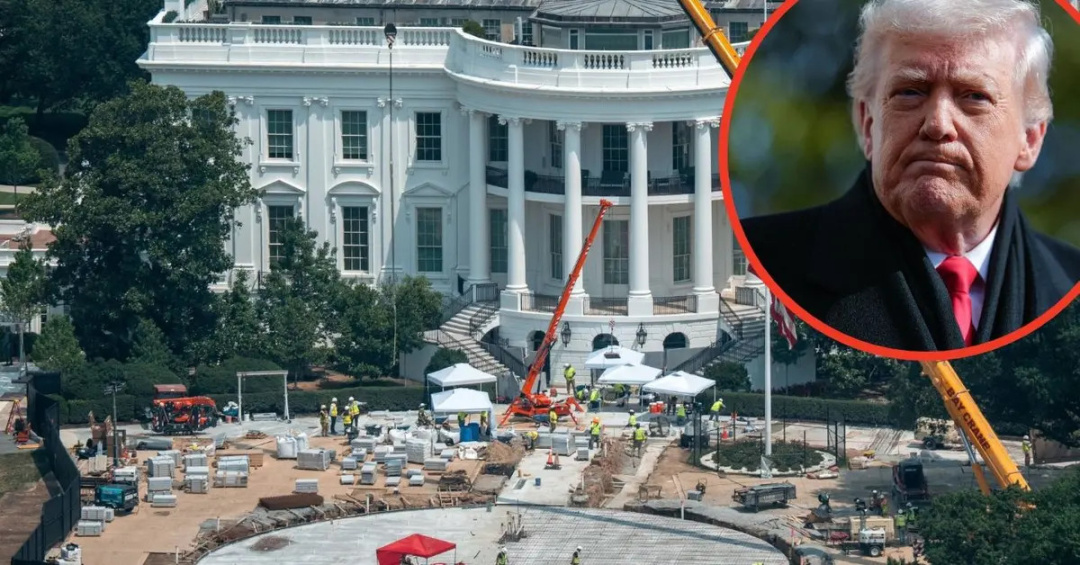
Trump's Election Security Speech: A Cry for Help or Just a Really Bad Reality Show?
In a spectacular display of political theater, President Trump delivered a much-hyped address focused on the ever-elusive topic of election security. But rather than inspiring confidence in his supporters, his performance suggested that he might be more concerned about his own electoral fate than the integrity of the ballot box. As he rambled about the dangers of fraudulent voting, it became painfully clear that the only fraud he truly feared was the fraud of his own dwindling support.
In what can only be described as a masterclass in misdirection, Trump inadvertently revealed that he knows his party is in trouble. His insistence on the vulnerabilities of our electoral systems seemed less like a warning to the public and more like a frantic plea for a lifeline from his own party. The subtext was as loud as the applause was quiet; it appears even the most ardent supporters are beginning to question the emperor's wardrobe.
Still Beats Watergate:
Sponsor success. Continue reading:
The administration’s strategy seems to revolve around a new concept: proactive panic. Instead of addressing real issues, they’re opting for the age-old tactic of creating a narrative of impending doom to distract from their own failings. If they can convince the public that the election is rigged before it even happens, perhaps they can escape responsibility for the inevitable loss that looms on the horizon.
Amidst the bluster, there was a palpable sense of desperation. The speech was less about solutions and more about staving off the inevitable. In the world of political messaging, it seems that Trump has taken a page from the playbook of a bad reality show: when the ratings are down, just create a crisis. Though the only crisis here seems to be the credibility of the administration itself.
As the midterms approach, it is increasingly evident that the administration’s approach to election security is more about securing Trump’s political future than ensuring a fair democratic process. In a stunning twist, the president’s strategy appears to be a blend of panic and projection, where the real concern is not about election integrity, but about his own dwindling chances of re-election.
Perhaps the most ironic element of this entire charade is that in his efforts to shield himself from criticism, Trump may have inadvertently secured his place in history—not as a defender of democracy but as a cautionary tale of political hubris. As he gears up for the next round of his political survival game, one can't help but wonder if the only thing he’ll secure is a spot at the bottom of the ballot.
In conclusion, while Trump may have intended to rally his supporters around the flag of election security, he instead unfurled a banner of self-awareness that was as unexpected as it was revealing. As his party prepares for the midterms, the real question remains: will they secure the votes, or will they merely secure a front-row seat to the collapse of a once-mighty political empire?