Regulators Announce New Safety Guidelines for Edible Chemical Warfare
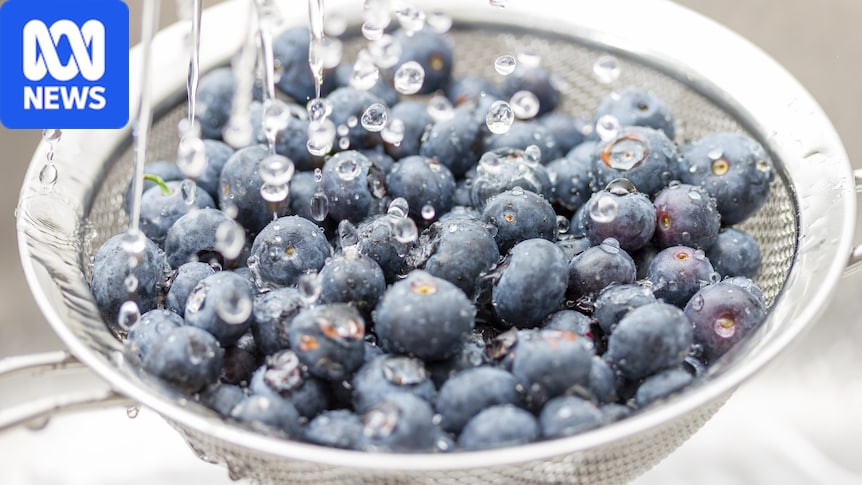
In a stunning display of regulatory bravado, officials have unveiled their newest safety guidelines, which boldly assert that increasing the allowable pesticide residue levels on berries by a staggering 500-fold is actually good for your health. This revelation comes just in time for berry season, ensuring that consumers can enjoy their morning smoothies with a side of chemical confidence. The announcement is essentially the regulatory equivalent of saying, "Trust us, it’s fine!" while holding a jug of mystery liquid.
The Agricultural Pesticide Management Authority, or APMA, has positioned itself as the vanguard of food safety, proclaiming that this massive increase will have no adverse effects on human health. In fact, they went so far as to suggest that those concerned about the levels of ‘forever chemicals’ in their fruit should simply consider it a new superfood trend. Forget antioxidants; it’s all about ‘chemical-oxidents’ now.
Still Beats Watergate:
Sponsor success. Continue reading:
Critics, however, are less convinced. Anti-pesticide activists have taken to the streets, brandishing signs reading, "Not a lab rat!" and "Berry dangerous!" They argue that the only thing being increased here is the risk of turning our breakfast into a chemistry experiment. One particularly disgruntled activist lamented, "I just wanted to enjoy my fruit salad without it tasting like a science fair project!"
In a twist worthy of a political thriller, the APMA has also suggested that those who voice concerns about chemical exposure are simply experiencing a "collective misunderstanding of science." Apparently, the new mantra for the agency is that ignorance is bliss, or at least a healthier alternative to a well-informed diet.
Furthermore, the APMA has rolled out a new public relations campaign, complete with catchy slogans like, "More is More!" and "Don’t Worry, Be Berry!" These phrases are expected to resonate well with consumers as they navigate the grocery aisles, armed with their newly minted confidence in chemical safety.
While the APMA insists that rigorous studies support their decision, they have conveniently overlooked the fact that many consumers might not be keen on an experimental diet. After all, not everyone is eager to see how much pesticide they can safely consume before it begins to feel like a game of Russian roulette with their dinner.
As berry lovers everywhere prepare their palates, one thing is for sure: the new guidelines will likely lead to some interesting discussions at the breakfast table. "Honey, did you hear about the new berry regulations?" "Yes, dear, pass the pesticide and let’s toast to our health!" With such a robust endorsement of chemical safety, one can only wonder what other surprises the regulators have in store for our culinary future.
In the end, while the regulators maintain that they have our best interests at heart, many consumers will remain skeptical, wondering just how much of that 'safe' residue they can pile on their pancakes before it starts to feel like brunching in a lab.
With the berry season upon us, it seems we are destined to find out just how far the boundaries of food safety can be pushed before someone finally shouts, "Enough is enough!" Until then, enjoy your berries, but maybe keep a bottle of antacid nearby just in case!