US Naval Blockade Reinstated: A New Chapter in the Art of Economic Sanctioning
In a stunning twist that would make even the most seasoned soap opera writer raise an eyebrow, the United States has decided to reinstate a naval blockade on Iranian ports. This strategic maneuver, a move so bold it might warrant its own reality TV series, seeks to escalate economic pressure on Iran amid what can only be described as a riveting episode in the ongoing Strait of Hormuz crisis. This all follows the tragic collapse of the Islamabad Talks, which, by the way, were so secretive that even the participants are still Googling where Islamabad is.
This latest blockade is not just a routine check-up; it’s part of the grander 2026 crisis plan, which sounds more like a futuristic sci-fi movie than a foreign policy initiative. The beginnings of this saga can be traced back to earlier this year when the US and Israel decided to initiate an air campaign against Iran. Because, let’s face it, nothing says "diplomatic relations" like airstrikes and blockades. With market data reflecting a sharp decline in the likelihood of the blockade being lifted anytime soon, it seems that the administration’s strategy is less about resolution and more about creating an ongoing cliffhanger that keeps everyone on their toes.
Still Beats Watergate:
Sponsor success. Continue reading:
As the odds for an end to this blockade tumble faster than a politician’s poll numbers following a scandal, we see probabilities dropping like a bad habit. Just yesterday, the chance of the blockade being lifted by July 24, 2026, plummeted from a meager 8% to an even meager-er 6.5%. And don’t get us started on the August probabilities; they’re dropping faster than your WiFi signal in a basement. Apparently, the market participants have concluded that the reimposition of this blockade is not just a hiccup but a full-on roadblock to resolution, much like a stubborn pothole that the city refuses to fill.
The tension in the Strait of Hormuz is palpable, and the chance of traffic normalization by August 31, 2026, has dropped to a dismal 11.5%. This blockade is like an uninvited guest at a party—no one knows how it got there, and everyone is just trying to ignore its existence while it makes itself at home in the corner. It’s safe to say that the geopolitical landscape is as stable as a house of cards in a windstorm, affecting both stability and energy markets alike.
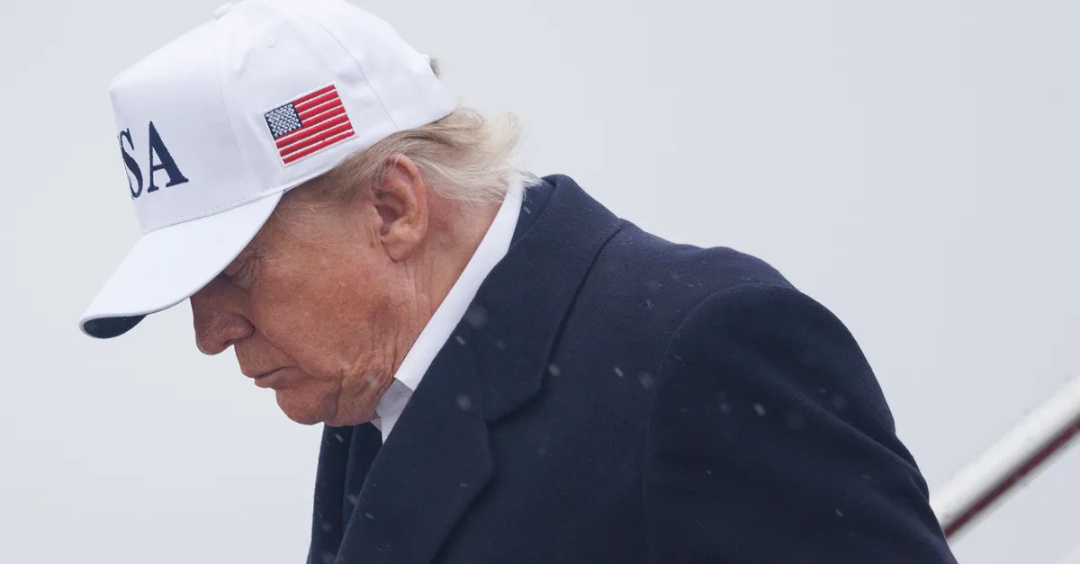
Observers are advised to keep their eyes glued to any statements from US and Iranian officials. A public comment from President Trump or a significant diplomatic breakthrough could change the game faster than a reality show twist. And let’s not forget about military developments; after all, nothing spices up a geopolitical crisis like a little bit of military posturing. The key dates to watch are July 24, July 31, and August 15, when we might just see market reactions that reflect the latest plot twist in this ongoing saga.
In conclusion, the reinstatement of the naval blockade is a masterclass in how to turn a crisis into a prolonged episode of uncertainty. It’s a delicate dance of power, pressure, and the occasional naval blockade, reminding us all that when it comes to international relations, the show must go on—preferably with some popcorn in hand.