Media Outrage: Networks Miss Chance to Air Trump’s Greatest Hits
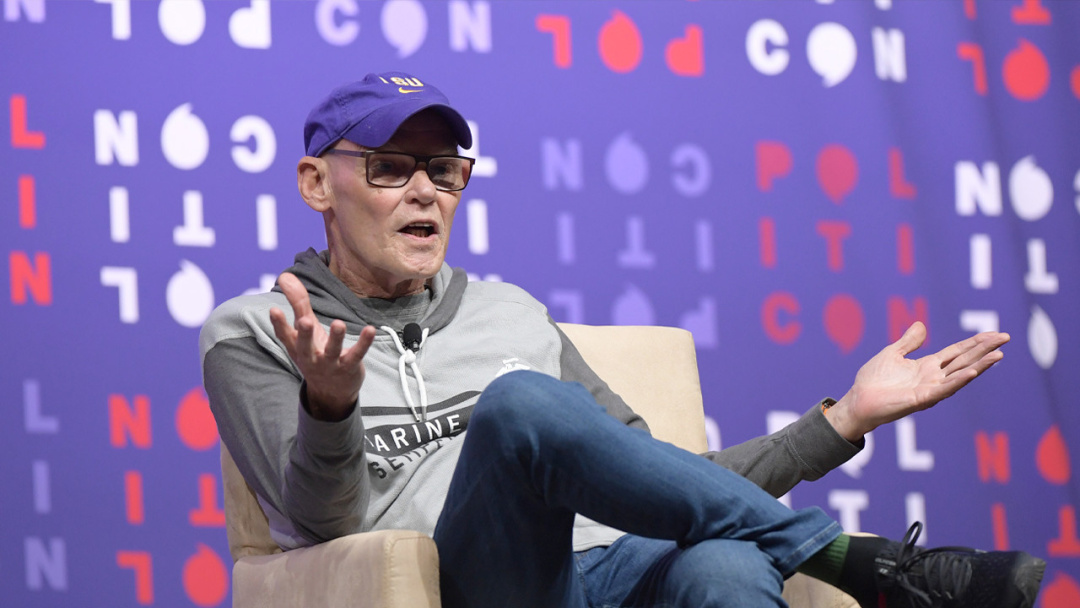
In a stunning display of political acumen, Democratic strategist James Carville recently lambasted major television networks for their shocking decision to avoid airing President Trump’s latest address in its entirety. "I mean, how could they not? It’s like skipping the Super Bowl because you’re afraid of the halftime show!" Carville exclaimed during his guest appearance on CNN's Wolf Blitzer. His impassioned plea implored viewers and network executives alike to reconsider their commitment to journalistic integrity—or at least their commitment to ratings.
Carville's argument was simple: Americans deserve to witness the spectacle of their leader in action, particularly when he’s acting "loonier than a tune.” He painted a vivid picture of what could have been—a full primetime spectacle where the president could unleash his latest conspiracy theories, rambling anecdotes, and the occasional wild finger-pointing. The networks, by not airing the speech, missed a prime opportunity to showcase the president's increasingly erratic behavior, which Carville, in a moment of uncharacteristic understatement, deemed highly newsworthy.
Still Beats Watergate:
Sponsor success. Continue reading:
The strategist insisted that seeing Trump’s address would have allowed voters to judge for themselves whether their president was the beacon of sanity he often claims to be or merely a shadow of his former self, lost in a haze of electoral delusion. Carville emphasized, "The more people see this, the more they’ll understand that, yes, watching your president rant about election integrity while simultaneously ignoring the advice of his own staff is not just worthy of airtime but downright necessary for the health of our democracy!"
As the conversation unfolded, Blitzer probed further, suggesting that airing the speech might unintentionally bolster Trump’s image. But Carville was quick to respond, saying, "Absolutely! And that’s the point. We need to let the American people see the train wreck in real-time. We might even get some popcorn sales out of it!" It’s a bold strategy, but if there’s anything that could bring the country together, it’s some good old-fashioned political theater.
True to form, Carville wasn’t the only one advocating for more Trump on television. His call to action could easily be mistaken for a veiled invitation for networks to host a 24-hour Trump marathon, complete with commentary from a panel of experts analyzing each eyebrow raise and hand gesture. After all, who wouldn’t want to tune in for a deeper dive into the psychology of a man who believes he can influence elections from the East Room of the White House?
As networks continue to grapple with the moral implications of their programming choices, one thing is certain: Carville’s message has resonated. Whether they choose to heed his advice or not, the question remains—what will it take for the media to realize that sometimes, the best way to critique a performance is to let it play out in full view? Perhaps in the next election cycle, the networks will remember that when it comes to Trump, there’s no such thing as bad publicity.
Until then, we can only hope that Carville’s call for transparency serves as a reminder that democracy thrives on exposure, even if that exposure is a little cringeworthy—and definitely a lot entertaining.