Minnesota's Newest Policy: Pardon and Forget
In an astonishing display of executive creativity, Minnesota Governor Tim Walz has unveiled his latest policy initiative: the Pardon and Forget program. This groundbreaking approach suggests that the past should be viewed not as a series of unfortunate events, but rather as a mere footnote in the grand narrative of one's life. After all, who needs a record of convictions when you can simply wave a magic pardon wand and declare it all water under the bridge?
The governor, in a recent press conference, defended his decision to pardon a convicted child rapist, arguing that the act of deportation by the State Department was more about optics than actual public safety. "Did that make us any safer?" he asked, as if he were recounting a philosophical debate rather than justifying a decision that would make even the most liberal of voters do a double-take. This brings a whole new meaning to the phrase 'judged by our worst day.'
Still Beats Watergate:
Sponsor success. Continue reading:
Following Walz's bold stance, the administration has rolled out a series of internal memos for state officials on how to implement the Pardon and Forget strategy effectively. The guidance suggests that officials should focus on the positives, like the potential for rehabilitation and the comforting belief that every criminal has, at some point, been a misunderstood angel.
In a stroke of bureaucratic genius, officials are now encouraged to hold community forums where they can discuss the merits of forgiving felons while sipping lattes and ignoring the outcry of victims’ rights advocates. The hope is that these gatherings will foster a sense of community, or at least distract from the fact that some people have a hard time believing that child rapists deserve a second chance.
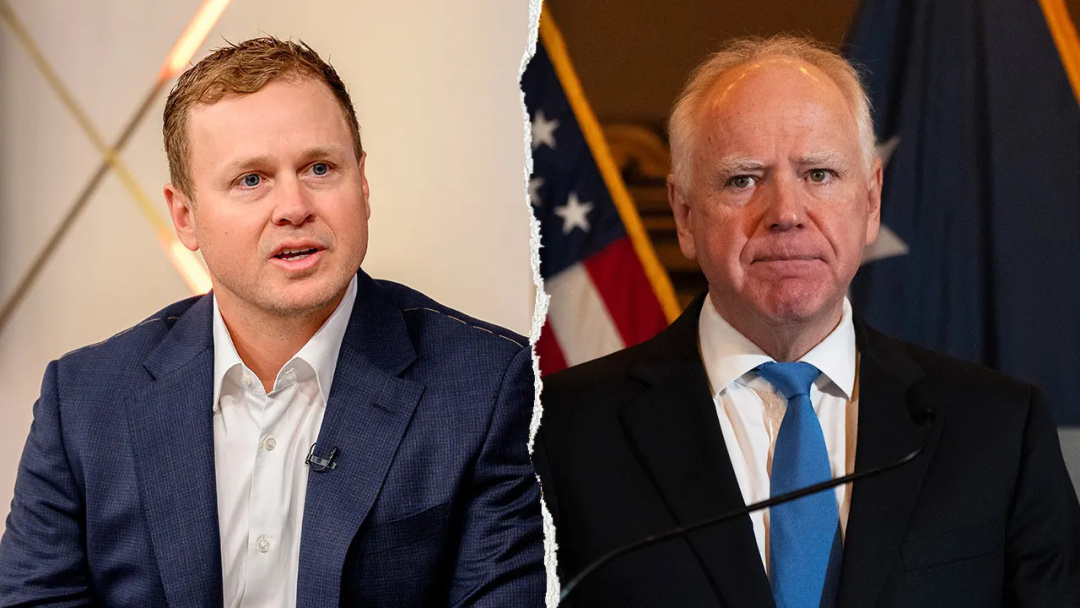
Public opinion, however, has taken a nosedive faster than a politician's approval ratings after a scandal. Conservative commentators have erupted in outrage, labeling the governor's actions as morally bankrupt. Spencer Pratt, a reality TV star turned political agitator, has even taken to social media to demand that Walz have his hard drives checked, presumably for evidence of questionable judgment.
This backlash has prompted the administration to issue a series of clarifications that clarify their clarifications, ensuring that the public understands they are not, in fact, advocating for a free pass for child rapists—just a more nuanced view of their actions. After all, what’s a little crime between friends?
As the dust settles on this latest episode of political melodrama, it remains to be seen whether the Pardon and Forget initiative will gain traction or be remembered as just another baffling chapter in the annals of American governance. One thing is for sure: in the world of politics, the line between right and wrong is as flexible as a politician's morals, especially when it comes to defining what constitutes a 'worst day.'