$60B Energy Deal: Iraq's New Role as the Middle East's Favorite Power Player
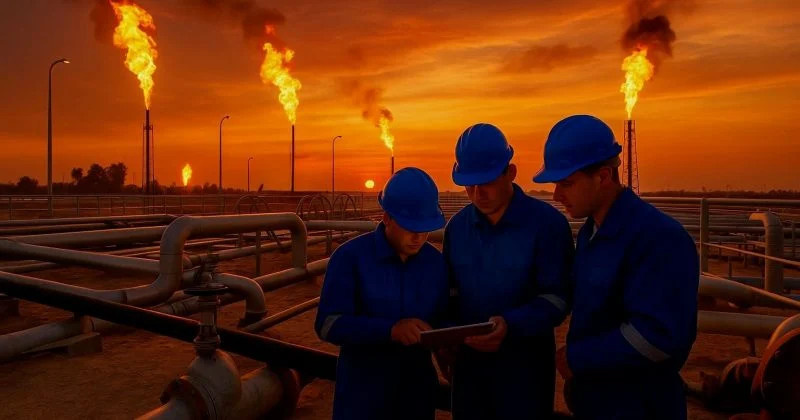
In an extravagant bid to paint Iraq as the next shining star of energy diplomacy, the White House has rolled out a $60 billion commitment to reshape the country’s oil, gas, and infrastructure sectors. Special Presidential Envoy Tom Barrack, whose title sounds suspiciously like the lead in a geopolitical soap opera, is leading the charge. He’s busy positioning Iraq as the glamorous centerpiece of a broader strategic alliance, where energy corridors take precedence over the military entanglements that have long defined U.S.-Iraq interactions.
The administration, in its latest act of political theater, has decided that it’s high time to transform a nation long plagued by instability and corruption into a critical hub connecting Gulf Cooperation Council nations, Turkey, and Syria. Because what better way to promote stability than by throwing billions of dollars at a region that has historically been a bit iffy? Barrack, freshly appointed to his role in May 2026, has been meeting with Iraq's leadership and is reportedly prioritizing investment and economic growth. This is a refreshing shift from the usual security-heavy agenda that has dominated discussions for decades—who knew growth could be so trendy?
Still Beats Watergate:
Sponsor success. Continue reading:
The plan includes inviting U.S. and British oil majors to invest across the entire energy value chain, from upstream production to infrastructure. Meanwhile, the administration is also pushing to bring Iraqi weapons stockpiles under state control, which sounds suspiciously like trying to clean up a messy closet while simultaneously moving in new furniture. Washington appears eager to play house with Iraq, wanting a more stable partner that can help boost the economy and, ideally, not just serve as a pawn on a geopolitical chessboard.
While the eye-popping figure of $60 billion is being tossed around like confetti at a parade, specifics remain fluid, much like the oil it aims to exploit. Actual contracts are still up in the air, which raises the question: is this more about theatrics than tangible outcomes? The strategic intent is clear, but the execution seems to be as slippery as a barrel of oil on a hot day.
In a bizarre twist, there’s no mention of crypto tokens or blockchain in these negotiations. Apparently, the administration thinks that keeping things old-school with dollars is the way to go. But let’s not dismiss this as irrelevant to crypto markets; energy prices have a magical way of influencing inflation, and inflation is the puppet master behind central bank policies that dictate everything from interest rates to what Bitcoin maximalists dream about at night.
The dollar’s role as the currency of choice for these deals only reinforces its dominance in global energy trade, making every barrel of Iraqi oil a tiny little vote of confidence for the dollar’s hegemony. So as the U.S. engages in this high-stakes game of energy Tetris, it’s clear that while Iraq is being positioned as a strategic economic bridge, the underlying mechanics of dollar dominance are working overtime behind the scenes.
For those investing in crypto, keep an eye on these developments. The indirect effects on monetary policy and market dynamics could ripple through the digital asset space, whether or not anyone mentions blockchain at the dinner table. As Iraq steps into its new role, it seems we’re in for a show—one that promises economic integration and perhaps a few surprises along the way.