Andy Burnham's Bold Move: A Nostalgic Leap Back to the Future
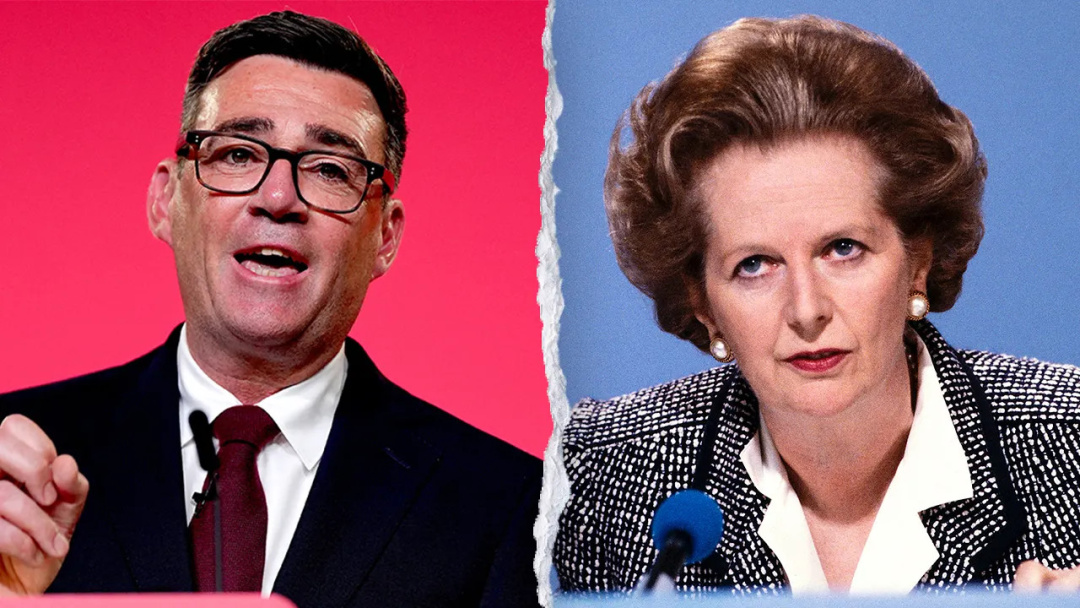
In a move that has left both supporters and skeptics scratching their heads, the newly minted UK Prime Minister Andy Burnham delivered a speech that could only be described as a love letter to a bygone era of state control. By openly rejecting the economic policies of Margaret Thatcher, Burnham seems to think he can channel the spirit of the 1970s while simultaneously claiming to usher in a new era of leadership. Ah, the delicate art of nostalgia, where the past is rebranded as a bright future.
Burnham, with all the enthusiasm of a child discovering a dusty box of old toys, declared that Britain has been on the wrong track for a whopping 40 years. His solution? A return to public ownership of essential services—because nothing says progress like drag racing back to the policies that many argue contributed to the economic malaise of the late 20th century. The man is clearly betting that the memories of the Winter of Discontent will warm the hearts of voters tired of rising costs and privatized chaos.
Still Beats Watergate:
Sponsor success. Continue reading:
"We will confidently lay that path out starting next week," he proclaimed, as if he was unveiling a new theme park attraction rather than a strategy for national governance. One can only imagine the bureaucratic rollercoaster this will entail. Will it be a thrilling ride, or will it leave taxpayers feeling dizzy and regretful? The answer, perhaps, lies in the vague promises of his speech.
Of course, Burnham’s critics are already lining up to remind him that a revival of 70s-style governance might not be the panacea he dreams of. The Adam Smith Institute, for instance, has taken to Twitter faster than a London cabbie dodging traffic to defend Thatcher’s legacy. They were quick to remind Burnham that during her reign, the top tax rate was slashed from an eye-watering 83% to a mere 40%. Now that’s what I call a tax break! But alas, Burnham seems more interested in the romanticism of yesteryear than the concrete gains of fiscal responsibility.
In a moment of delightful irony, Burnham assures us he will be a "pro-business leader" while simultaneously calling for greater public control of essential services. This is like saying you’re a vegan who enjoys a good steak—confusing at best and contradictory at worst. One can only wonder how he plans to attract investment while promising to re-nationalize everything from water to housing. Perhaps he envisions a new world where businesses line up to offer services at the government’s behest, eagerly anticipating their next regulatory hurdle.
As Burnham prepares to take office without winning a national election, he faces the Herculean task of uniting Labour’s factions while calming the financial markets that are surely on the edge of their seats. The stakes are high, and any misstep could send the party spiraling into chaos. Just imagine the headlines: "Labour Party: From the 70s to the Brink of Oblivion!"
In the end, Andy Burnham’s vision may be less about actual policy and more about sheer political theater. As the curtains rise on this new act, the audience—comprised of voters, critics, and political pundits—will be eagerly awaiting the punchline. Will it be a triumphant comedy of errors or a tragicomedy of epic proportions? Only time will tell, but one thing is for sure: the political stage is set for a performance that promises to be anything but dull.