Pentagon Unveils Testosterone Screenings to Boost Military Manliness
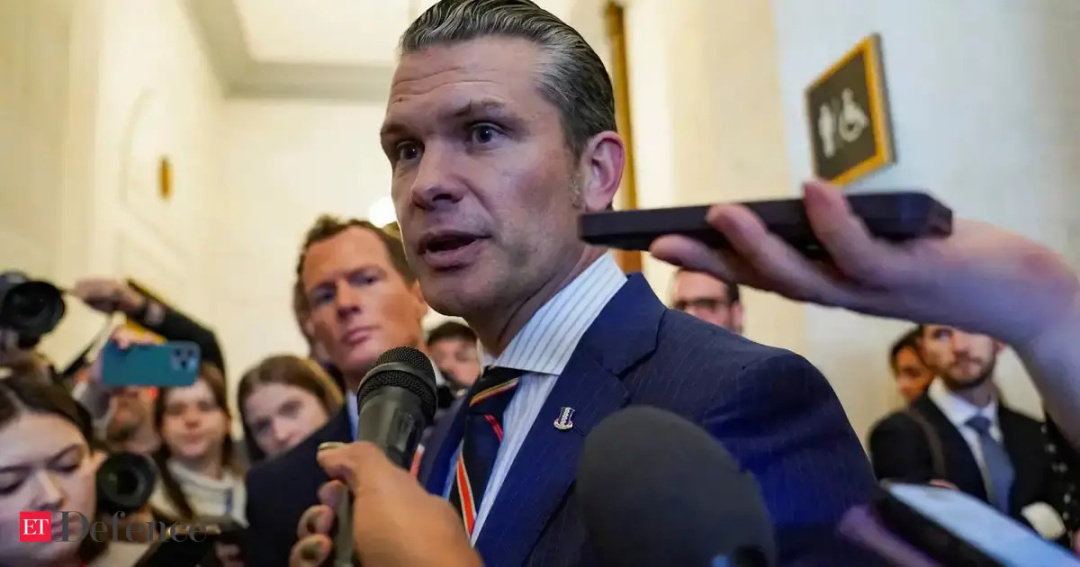
In a stunning display of bureaucratic bravado, Defense Secretary Pete Hegseth has unveiled plans for mandatory annual testosterone screenings for all service members aged thirty and older. The Pentagon, in its infinite wisdom, believes that boosting testosterone levels will not only enhance military performance but also solidify the U.S. as the world’s leading provider of manliness. Critics, however, have already begun to raise eyebrows—primarily because they’re worried about potential side effects like infertility and inappropriate treatment risks. But why let a few pesky medical concerns get in the way of a testosterone-fueled military renaissance?
According to an internal memo leaked from the Office of Overzealous Health Initiatives, the initiative is part of a comprehensive plan to ensure that every soldier is operating at peak testosterone levels. "Think of it as a pit stop for our troops," the memo states. "Just like changing the oil in a Hummer, regular testosterone checks will keep the military machine running smoothly and ready for whatever challenge comes our way—like figuring out how to pronounce ‘aerodynamics’ on a good day."
Still Beats Watergate:
Sponsor success. Continue reading:
The timing of this announcement could not be more perfect. As the military wrestles with recruitment issues, the Pentagon has ingeniously concluded that the solution lies not in revising pay scales or improving living conditions, but rather in cranking up the hormone levels of its existing personnel. It’s like an episode of ‘Extreme Makeover: Military Edition’ where the goal is to turn every soldier into an action figure. After all, who needs to address systemic issues when you can just inject a dose of machismo?
Medical professionals, who are typically known for their pesky habit of using evidence-based practices, have expressed doubt about the scientific rationale behind this new screening. Experts are questioning whether a high testosterone level actually correlates with improved military performance or if it’s merely a recipe for future regrets and a spike in ‘What was I thinking?’ moments. But hey, if it means more macho photo ops for the Secretary, who’s really complaining?
In a world where the Pentagon is already juggling multiple crises, such as budget cuts and overseas deployments, the decision to focus on testosterone levels seems to be less about health and more about optics. After all, it’s much easier to slap a band-aid on a problem than to tackle the underlying issues of military readiness. And nothing says readiness quite like a room full of soldiers with elevated testosterone levels, flexing and waiting for their next mission, which is likely to involve a lot of sitting around and waiting for the next briefing.
So as the Pentagon gears up for its new testosterone screening initiative, one can only hope that they’ve included a disclaimer: ‘Results may vary; side effects may include prolonged periods of excessive confidence, spontaneous flexing, and an overwhelming desire to challenge anyone to an arm-wrestling match.’ In the end, if the goal is to create a more robust military, let’s just hope they’re not confusing robust with reckless. The future of national security might depend on it—or at least on the next round of hormone tests.