India Reopens Ancient Nuclear Plant: A Blast from the Past
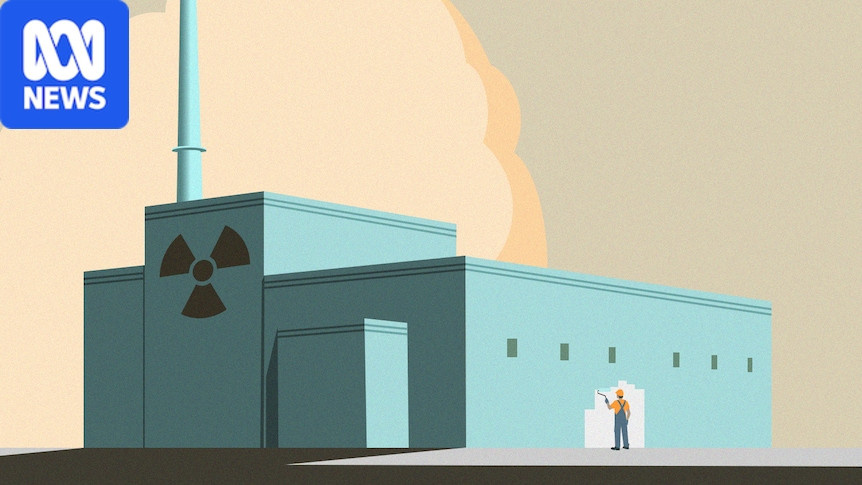
In a move that has the world wondering if it's 2026 or 1966, India has proudly reopened the Tarapur Atomic Power Station, an aging relic from the days when bell-bottoms and peace protests ruled the streets. While the rest of the globe is busy moving towards renewable energy sources, India decided to turn back the clock, dust off its nuclear ambitions, and remind us all that old technology is just as good as new—if you squint hard enough.
The reopening ceremony was met with mixed reactions. On one hand, officials toasted to energy independence, while on the other, environmentalists clutched their proverbial pearls, wondering if this was a smart move or just a national game of 'hold my beer.' In a statement that could only be described as bureaucratic poetry, one government spokesperson declared, "We believe in harnessing the power of the past to fuel the future. After all, who doesn’t love a good retro revival?"
Still Beats Watergate:
Sponsor success. Continue reading:
This strategic decision comes as India faces mounting energy demands and a global climate crisis, which apparently can be tackled with a sprinkle of nostalgia. Critics say that reopening this ancient plant is akin to using a rotary phone in an age of smartphones—sure, it still works, but good luck trying to find someone who wants to use it. Proponents, however, argue that the plant is a symbol of national pride, akin to a vintage car; it may not be the most efficient, but it sure does turn heads.
The Tarapur plant, which has been lovingly refurbished, is now the oldest operating nuclear facility in the world. It’s like the grandparent of nuclear power—endearing in its age yet concerning when you consider its health. While officials assure us that every safety measure has been taken, one can’t help but imagine the conversations happening behind closed doors: "Is there duct tape on that reactor?"
As India embraces this 'retro' energy solution, experts warn of the potential hazards lurking in the shadows of history. They question whether the revival of such a plant is truly a step forward or a dangerous gamble that could lead to catastrophic consequences. But hey, who needs modern safety protocols when you have a rich heritage of nuclear engineering?
In the grand scheme of things, India’s decision may just be another chapter in the epic saga of political theater, where the plot twists are as unpredictable as the energy market. As the government clinks glasses in celebration, one can only hope that the spirits of the past don’t come back to haunt them—or power their lights, for that matter. In the end, we’re left with the burning question: how many more trips down memory lane can we afford before we run out of gas?