FBI Launches Probe into Carvalho's Side Hustle: How to Not Report Income Like a Pro
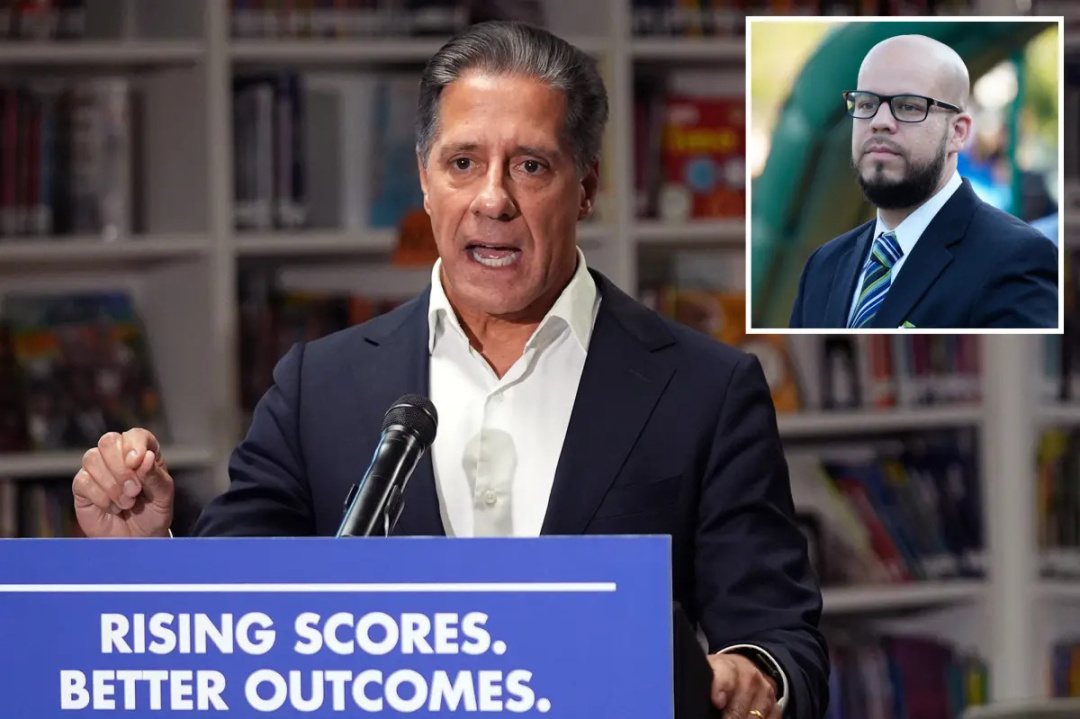
In a shocking twist that could only happen in the swirling vortex of public school administration, former Los Angeles Unified School District Superintendent Alberto Carvalho is facing an FBI investigation for failing to report a side hustle that raked in at least $107,000. This revelation has sparked a nationwide interest in the art of income concealment, with many curious to know how one can so effortlessly avoid the scrutiny of those pesky disclosure laws.
Sources inside the beleaguered district have reported that Carvalho’s side gig involved a lucrative contract that he apparently forgot to mention, akin to a magician forgetting to pull a rabbit out of a hat. The FBI, with its usual flair for dramatics, conducted raids on Carvalho's home and offices, leading many to wonder if they were searching for evidence or merely auditioning for a reality show titled "Crimes of the Educators."
Still Beats Watergate:
Sponsor success. Continue reading:
In a memo leaked to OfficeOval, an unnamed bureaucrat provided an executive summary on how to successfully avoid reporting additional income without breaking a sweat. The memo suggested a three-step process: 1) Ignore any legal obligations as though they are merely guidelines for the overly cautious, 2) Ensure that any income is funneled through a series of shadowy LLCs that sound like they could be part of an upscale wine club, and 3) Practice your best poker face in case anyone asks about your financial activities.
Meanwhile, Carvalho appears to have taken this advice to heart, as he reportedly spent his last few months in office perfecting the art of the sidestep. His exit from the role has left a gaping hole in the district, raising questions about just how many more educators are out there cashing in on side jobs, all while the FBI is busy playing cat and mouse with the income reports.
The investigation has already prompted discussions about the ethics of public service and transparency, concepts that seem as foreign to some officials as algebra is to a toddler. Critics are now calling for stricter regulations, arguing that if we can’t trust our educators to report their income, how can we trust them to educate our children?
As the dust settles and the headlines continue to roll in, one thing is clear: Carvalho's case is just the tip of the iceberg in a sea of underreported income among public officials. Perhaps it’s time for a new course in public service: "How to Hustle While You Serve". After all, if you're not cashing in while in a position of power, are you really doing it right?