White House Unveils New Visa Policy: Enroll in College, Steal National Secrets
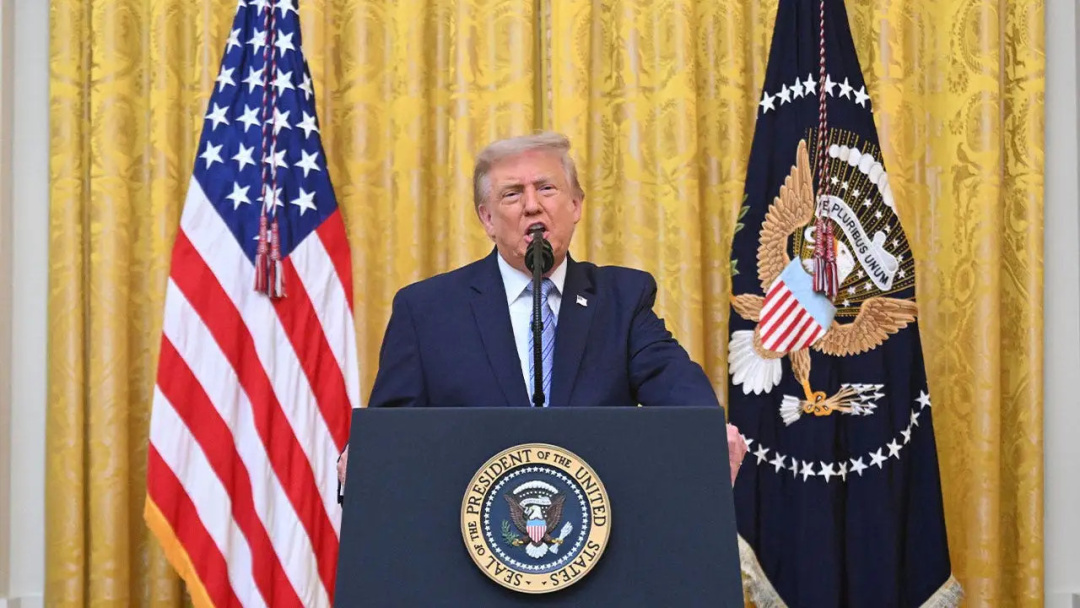
In a move that can only be described as both baffling and audacious, the White House announced a new policy to issue 600,000 student visas to Chinese nationals, just days after claims of Chinese election interference were aired in prime time. The administration’s justification for this unprecedented influx of students is an elaborate tapestry woven from threads of diplomacy, education, and a sprinkle of national security concerns. Apparently, nothing says 'let’s be friends' quite like inviting potential spies to our universities under the guise of higher education.
The logic is impeccable: while China allegedly pilfers sensitive voter data and meddles in our electoral processes, the U.S. will respond by opening the doors of academia wider than ever. It’s an ingenious strategy to combat espionage—by welcoming those who might be sent to steal our secrets right into classrooms filled with the brightest minds and, of course, the most sensitive research. Who needs covert operations when you can just enroll in a physics class?
Still Beats Watergate:
Sponsor success. Continue reading:
In a press briefing, White House officials attempted to reassure the public that this was not a contradiction, but rather a continuation of longstanding educational policies. They argue that fostering international student exchange is crucial for global understanding and cooperation. Surely, nothing fosters understanding quite like a semester of quantum mechanics mixed with a side of industrial espionage.
Critics of the policy were quick to point out that while the administration champions education, it simultaneously overlooks the risks associated with such an influx. After all, universities have become breeding grounds for innovation and technological advancements, which, if mishandled, could easily fall into the hands of those with ulterior motives. But who’s counting when the allure of tuition dollars from overseas is so enticing?
This new policy will certainly be a boon for university budgets. After all, who wouldn’t want a thriving academic environment supported by students who may or may not be collecting data for the Chinese Communist Party? It’s like a two-for-one deal: education for the students and a potential treasure trove of information for spies looking to advance their nation’s global standing. Talk about a win-win!
The White House seems to be betting that the benefits of increased enrollment will outweigh the risks, a gamble that leaves many scratching their heads. As the administration touts its commitment to securing fair elections, it simultaneously rolls out the red carpet for those who might have a vested interest in undermining that very system. It’s the political equivalent of inviting a wolf into the sheep pen and claiming it’s just there for the ambience.
What’s next? Perhaps we’ll see a new initiative where we invite foreign hackers to attend cybersecurity workshops, or maybe a summer camp for foreign intelligence officers where they can learn the fine art of subterfuge while sipping lemonade. After all, if we can’t beat them, we might as well teach them our best practices. The irony is delicious and, dare we say, a little bit alarming.
So here we are, at a crossroads where national security meets higher education, and the outcome remains uncertain. Will these new students become ambassadors of goodwill or agents of espionage? Only time will tell. But one thing is for sure: the White House has certainly found a new way to keep us on our toes, and it’s never been more entertaining to watch the political theater unfold.
In the end, perhaps we should all enroll in a class on the absurdity of government policy—because if this administration has taught us anything, it’s that reality can often be stranger than fiction.