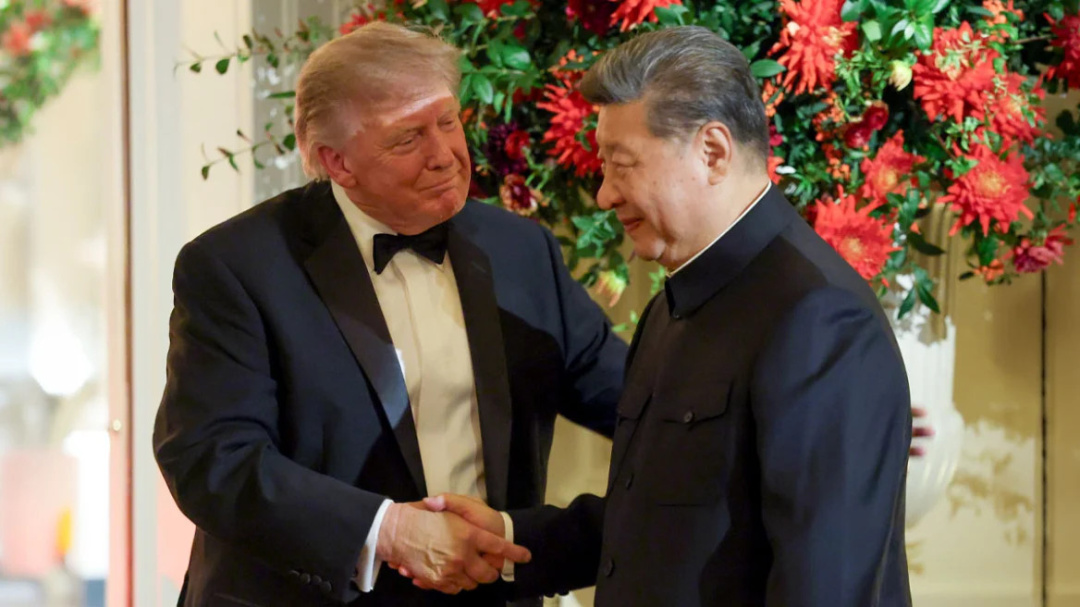
White House Declares AI War on China, Promises to Add Extra Red Tape
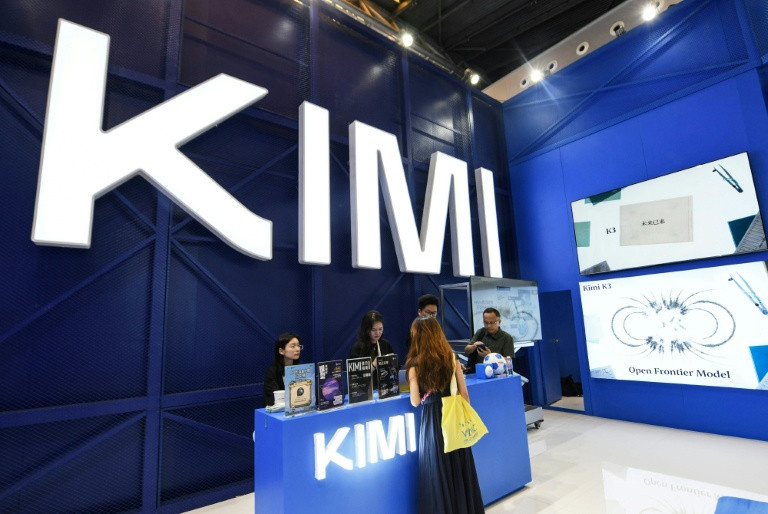
In a stunning display of bureaucratic creativity, the White House has officially declared war on China's Kimi K3, a newly launched artificial intelligence model that has rattled the U.S. tech industry and sent shivers down the spines of investors. In response to this competitive threat, officials have vowed to unleash an avalanche of regulations that will ensure American companies remain shackled by red tape. After all, who needs innovation when you can have endless paperwork?
Sources within the administration, speaking on the condition of anonymity to avoid being caught in the crossfire of public ridicule, revealed that the plan includes a new executive order mandating that all AI developments must be subjected to a six-month review process. This will involve a series of pointless meetings, extensive reports, and a mandatory PowerPoint presentation that must be delivered in a monotone voice. The goal? To ensure that no American AI model can ever compete with a Chinese rival unless it is thoroughly bogged down by government oversight.
Still Beats Watergate:
Sponsor success. Continue reading:
Meanwhile, officials are scrambling to spin this as a necessary measure to protect U.S. interests. "Look, we can’t allow our companies to thrive without a little bureaucratic intervention," one senior advisor quipped, clearly relishing the irony of the statement. "If we don’t add layers of compliance, how can we justify our existence?"
As the market watches nervously, the administration is reportedly preparing to unveil a new task force dedicated to monitoring AI developments, complete with a snazzy logo and the inevitable slogan: "Slowing Innovation, One Regulation at a Time." This task force will be empowered to issue sternly worded memos and conduct surprise audits of tech companies, ensuring that they remain compliant with the new slew of regulations. It’s the perfect combination of fear and inefficiency—a recipe for bureaucratic success.
Former White House tech advisors have chimed in, advocating for a more aggressive approach. "We need to create an atmosphere of fear around using Chinese AI," one remarked, suggesting strategies that might include sending out chilling emails warning of potential regulatory repercussions for any company caught considering Kimi K3.
The irony of the situation is not lost on industry insiders. "We're essentially going to spend taxpayer money to slow down our own innovation while blaming China for everything that goes wrong in the economy," said a disgruntled tech entrepreneur. "It’s like throwing a wet blanket on a fire and then complaining that the fire is too hot."
As the White House prepares to roll out these new regulations, one thing is certain: the only thing more impressive than Kimi K3’s capabilities will be the sheer amount of paperwork it will take for American companies to even think about competing with it. In the end, it seems the real winner in this AI race may just be the federal bureaucracy, which will continue to thrive on the back of innovation it actively stifles. Welcome to the future of American tech, where the only thing faster than AI development is the rate at which we can create new regulations to slow it down.