Zelensky's Cabinet Shuffle: A Game of Trust, Turmoil, and Technological Turnover
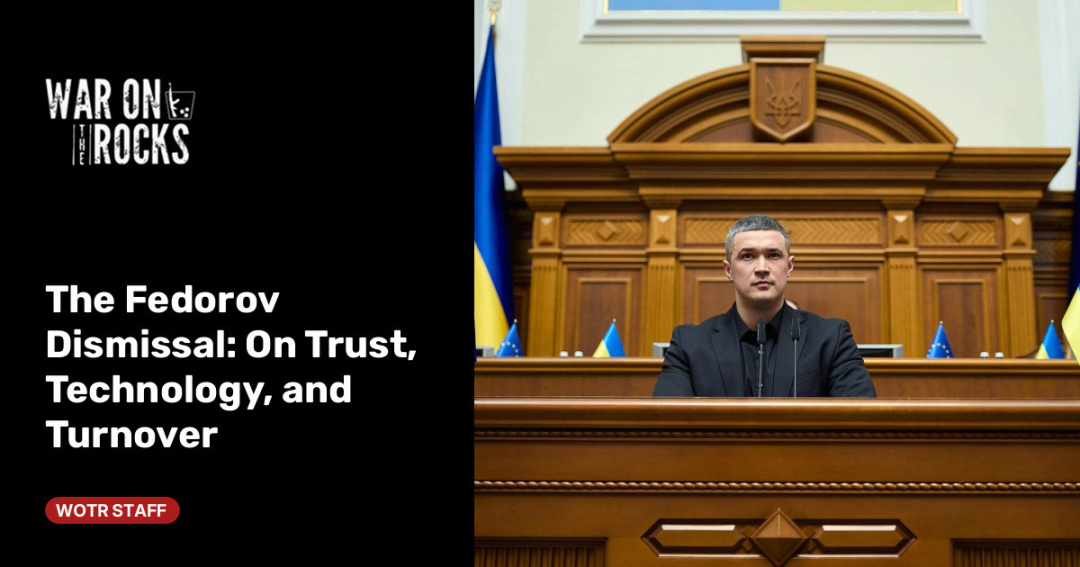
In a move reminiscent of a reality TV show finale, President Zelensky has once again shaken up his cabinet, dismissing Defense Minister Mykhailo Fedorov like yesterday's takeout. This sudden reshuffle has sparked protests that could rival a rock concert, with citizens taking to the streets not just for their beloved minister, but also to express their collective anxiety over the future of Ukraine's war efforts and trust in the leadership. Apparently, removing a popular figure from the defense ministry during a war is not the best strategy for boosting public confidence. Who knew?
Fedorov, the youngest Defense Minister in Ukraine's history, was touted as a beacon of hope in a time of crisis. His strategy of rapid technological innovation over traditional mass mobilization was seen not just as savvy, but essential for a country facing a relentless adversary. Yet, in an unexpected twist, his dismissal raises questions that would stump even the most seasoned political strategist: Was this a power play, a miscalculation, or just a poorly timed episode of “The Apprentice”?
Still Beats Watergate:
Sponsor success. Continue reading:
Sources close to the administration hint at a simmering conflict between Fedorov and Commander-in-Chief Oleksandr Syrskyi, who allegedly preferred a more traditional approach to military leadership—an approach that likely involves more meetings and fewer drone strikes. In a farewell speech that could have been scripted by a soap opera writer, Fedorov lamented the bureaucratic roadblocks and loyalty-based politics that ultimately led to his ouster. He even turned the spotlight on the age-old question of trust in leadership, suggesting that the real battle might not be against Russia, but against the very structures that are supposed to support the military.
Meanwhile, the appointment of Ihor Klymenko to replace Fedorov has sparked a mixed bag of reactions. Some hail him as a breath of fresh air with his experience in mobilization and a keen understanding of frontline issues. Others worry that his traditionalist approach could roll back the very reforms that made Ukraine's military a formidable force. It’s like swapping out a Tesla for a vintage Lada; sure, it’s got character, but will it get you where you need to go?
As protests swell and the public expresses their discontent, one can't help but wonder if this upheaval is merely a symptom of a deeper malaise within Ukraine’s governing structures. The constant turnover of key officials raises eyebrows and questions about the long-term stability of Ukraine's war strategy. Fedorov’s firing may have been a calculated move, but it has certainly added fuel to a fire of distrust that has been smoldering beneath the surface for quite some time.
In a war where trust is as crucial as weaponry, Zelensky’s latest cabinet shuffle has opened the door to a host of uncertainties. Will Klymenko be able to maintain the momentum that Fedorov built, or will his appointment mark a return to the status quo? One thing is certain: the stakes have never been higher, and as Ukraine continues to navigate the treacherous waters of war, the government’s ability to inspire confidence among its citizens will be put to the ultimate test.
As the dust settles from this political whirlwind, the citizens of Ukraine will be watching closely, not just for the next move their leaders will make, but also for a sign that their trust has not been misplaced. After all, in times of crisis, a nation’s strength is only as good as the confidence its people have in those steering the ship. And right now, that ship seems to be caught in turbulent waters, with no clear destination in sight.