Trump Administration Declares Open Season on Endangered Species, Calls it Conservation
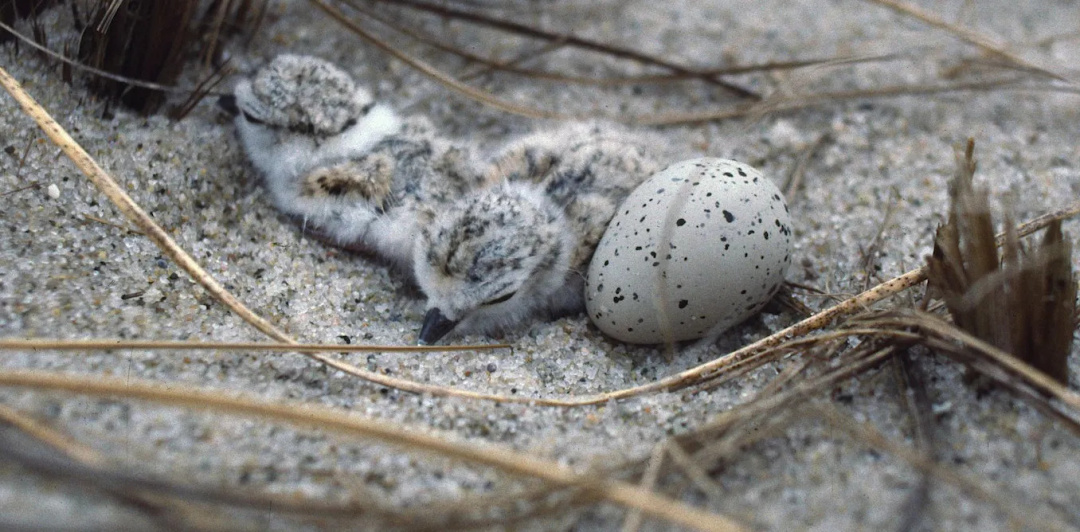
In a move that has left environmentalists gasping for air (and not just from pollution), the Trump administration has officially declared that habitat destruction is not harmful to endangered species. It’s a bold new interpretation of the Endangered Species Act, one that could only emerge from the mind of an administration renowned for its unique grasp of reality. Why protect the habitat of the red-cockaded woodpecker, the western monarch butterfly, or the Pacific salmon when you can just redefine harm?
The Department of the Interior, with all the gravitas of a toddler in a candy store, rescinded the so-called harm rule under the Act, claiming that if you can’t see the harm, it must not exist. Apparently, the administration has taken a page from the playbook of denial, which is now the go-to strategy for any legal or environmental issue. Why bother with scientific consensus when you can simply ignore the problem altogether?
Still Beats Watergate:
Sponsor success. Continue reading:
This new directive has prompted a flurry of legal challenges, but the administration is undeterred, confidently striding into courtrooms armed with a newfound interpretation of the law that would make even the most optimistic lawyer cringe. The argument hinges on the idea that if Congress didn’t think habitat destruction was harmful, it wouldn't have created a whole system of permits to manage it. It’s a masterclass in circular reasoning that suggests the best way to conserve nature is to obliterate it while claiming you're doing the opposite.
In a delightful twist of irony, the administration is pinning its hopes on a Supreme Court ruling from the past that upheld the harm rule, suggesting that all it takes to overturn decades of environmental protection is a good old-fashioned reinterpretation of the term 'harm.' In their world, the word now means something akin to ‘not directly killing every last member of a species,’ a refreshing take that could redefine the conservation conversation entirely.
As environmental groups scramble to file lawsuits, claiming procedural flaws in this reckless rule change, one can only wonder how far the administration will go to defend its position. Will they argue that the extinction of species is merely a natural selection process accelerated by human activity? It seems plausible. After all, if you can redefine harm, why not redefine extinction as a form of natural evolution?
The stakes are undeniably high, not just for the species on the brink but for the very fabric of environmental law. With over two-thirds of listed species depending on nonfederal land for survival, the administration’s cavalier approach could lead to disastrous consequences for biodiversity. But then again, who needs biodiversity when you have the power of reinterpretation at your fingertips?
In this grand theater of the absurd, where the executive branch plays the role of both puppeteer and puppet, the fate of the planet hangs in the balance. If nothing else, we can count on future generations to marvel at the audacity of an administration that declared open season on endangered species while patting itself on the back for its commitment to conservation. Bravo, Trump administration, bravo!