Trump's Election Fraud Claims: A Masterclass in Creative Storytelling
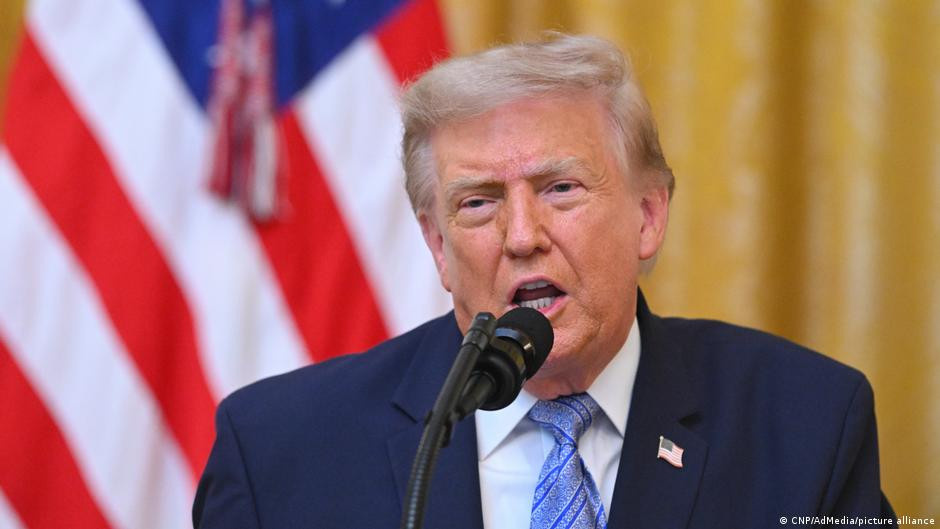
In an electrifying display of political theater, former President Trump took to the airwaves, dazzling viewers with a fresh array of election fraud claims that could only be rivaled by a bestseller in the fiction section. Drawing from a well of dubious evidence, Trump resurrected the specter of Chinese voter interference, blending fact and fiction with the grace of a magician pulling rabbits from hats. In his latest act, he claimed that 220 million U.S. voter files had been compromised, conveniently ignoring the fact that much of this information is publicly available or easily purchased. Apparently, somewhere between his last rally and this latest address, Trump acquired the ability to interpret public records as clandestine conspiracies.
He also delved into the murky waters of a Michigan case involving voter registrations, where he alleged that canvassers had engaged in a scheme of pay-for-play fraud. However, in a twist typical of his narrative style, he forgot to mention that the FBI concluded these registrations did not result in any actual votes being cast. It seems that for Trump, the investigation’s findings are merely suggestions that can be swept aside in favor of a more captivating storyline. After all, who needs facts when you have a flair for the dramatic?
Still Beats Watergate:
Sponsor success. Continue reading:
In addition to his riveting tales, Trump took a moment to lament the alleged slow-walking of investigations by the Biden administration, all while conveniently ignoring his own administration's oversight in the matter. It’s a classic case of passing the buck—if only his administration had been as eager to investigate during his time in office as he is now to cast blame. Trump’s complaints about the alleged lack of urgency sound remarkably like a child who, having neglected to do his homework, suddenly demands to know why the teacher isn’t grading the assignments fast enough.
The former president’s narrative also included a parade of noncitizens supposedly voting illegally, a claim that has been thoroughly debunked by experts who point out that noncitizen voting is as rare as a unicorn sighting. But that’s not stopping Trump from engaging in the kind of hyperbole that would make a carnival barker proud. According to him, this is a grave threat to democracy, the likes of which can only be countered by his return to power. It’s an intriguing strategy: scare the electorate into believing that their votes are being stolen by nonexistent hordes while proposing a return to the very policies that failed to protect their votes in the first place.
As Trump continues to weave his elaborate tales, one can’t help but wonder if he’s hoping to secure a spot in the pantheon of great American storytellers. If his political career doesn’t work out, he might just have a future in writing thrillers. After all, his latest speech was less a factual recounting of events and more a gripping narrative designed to captivate and terrify. In the grand tradition of political oratory, Trump proves that when it comes to election fraud, the truth is merely a suggestion, and creativity reigns supreme.