White House Unveils New Election Security Strategy: Blame China, Call It a Day
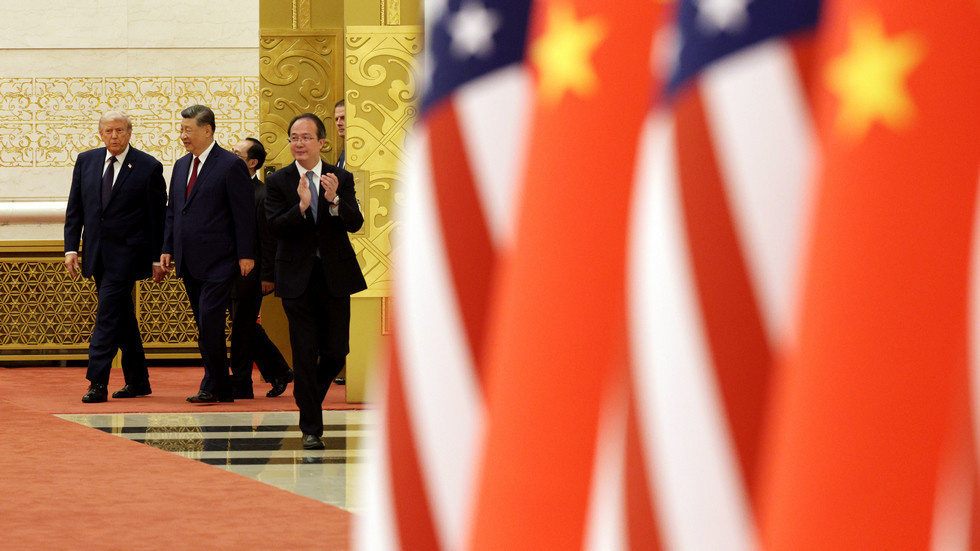
In a stunning display of bureaucratic innovation, the White House has officially announced its latest strategy for addressing election security concerns: simply blame China and call it a day. With soaring approval ratings in mind, officials felt it was time to pivot from the usual exhaustive investigations and tedious policy discussions to a much simpler approach. According to a leaked memo, this groundbreaking strategy is expected to save untold hours previously wasted on actual governance.
Sources within the administration have confirmed that the decision was primarily influenced by a desire for expediency. Why spend time analyzing complex cyber threats when one could just point at Beijing and declare victory? Plans to thoroughly investigate the alleged hacking of 220 million voter files were quickly shelved in favor of a more streamlined approach: “Look, it’s China. Next question.”
Still Beats Watergate:
Sponsor success. Continue reading:
The initiative is set to kick off with a high-profile press conference, where officials will demonstrate their commitment to this new strategy by showcasing a slide deck filled with ominous graphs and awkwardly sourced memes depicting China as a cartoonish villain. “This is not just a response; it’s a preemptive strike against accountability,” one unnamed aide remarked, clearly thrilled with the new direction.
With the administration’s recent history of convoluted explanations and mismanaged crises, a return to simplicity is seen as a refreshing change. “We’ve realized that complex problems require simple solutions—preferably ones that involve minimal effort on our part,” said a senior advisor, adding that the effectiveness of this strategy remains to be seen.
Critics have pointed out that such a simplistic approach could damage diplomatic relations and lead to unnecessary tensions with China, but the White House has assured the public that it will continue to compartmentalize these issues. “We can do both. We can accuse China of meddling while simultaneously negotiating trade deals. It’s called multitasking,” claimed an official with a flair for the absurd.
Meanwhile, the administration’s rapid-fire accusations against China are expected to become a cornerstone of the upcoming campaign season. Political analysts anticipate that this tactic will be employed to divert attention from other pressing issues, such as rising inflation and domestic unrest. “Why deal with pesky domestic problems when you can just blame a foreign power?” mused one political strategist, who noted the effectiveness of scapegoating throughout history.
As the strategy rolls out, insiders predict that the White House will continue to refine its messaging, perhaps introducing catchy slogans like "Make America Distrustful Again" or "China Did It" hats. In the meantime, citizens are encouraged to stay vigilant against foreign malign influence, which the administration assures is lurking in every corner, ready to steal their votes and their lunch money. After all, nothing says ‘national security’ quite like a good old-fashioned finger-pointing session.