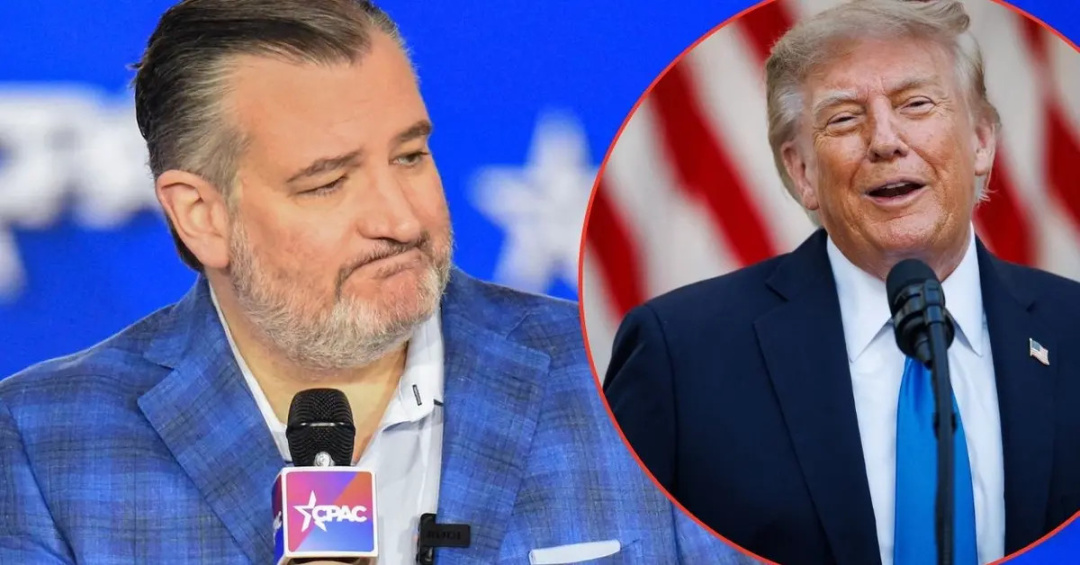
Milei’s Magical Jacket: A Superstitious Strategy for World Cup Glory
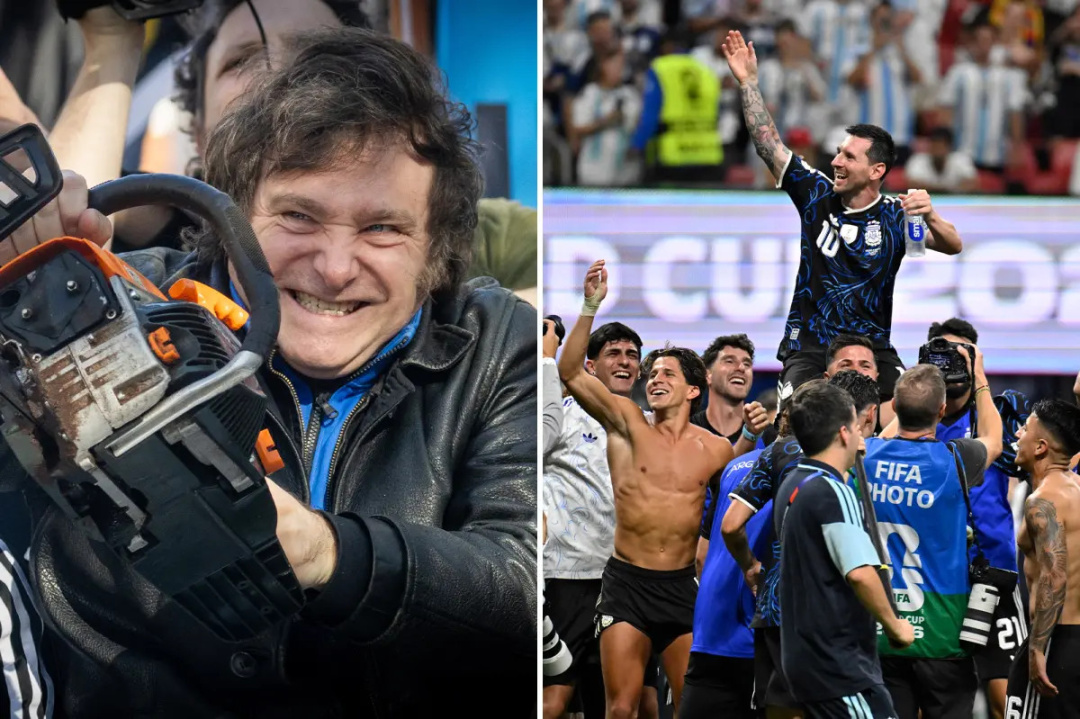
In an unprecedented act of political foresight, Argentine President Javier Milei has declared that he will not attend the World Cup final against Spain, citing an unshakeable superstition. Instead, he will be settling in at home, clad in a particularly heavy jacket that he believes will channel good luck for the national team. This decision has sparked a flurry of debate over whether sports success is a matter of skill or the weight of one’s outerwear.
Sources close to the administration report that Milei's team has been drafting a new executive order, tentatively titled "The Heavy Jacket Doctrine," aimed at formalizing his sartorial strategy as a national policy. It seems that the President believes his mere presence at the game could jinx the team, a notion that, if true, might just revolutionize political attendance at important events.
Still Beats Watergate:
Sponsor success. Continue reading:
In an official briefing, a spokesperson noted, "In the world of sports, sometimes the best strategy is to not be there. We recommend other leaders in high-stakes positions consider this approach, especially if their favorite team is involved." This guidance raises eyebrows, especially considering the history of political leaders showing up at sporting events only to watch their teams crumble under the pressure.
The White House has been closely watching this development, with some aides whispering that a similar policy might be adopted regarding presidential debates. Imagine a future where candidates avoid televised debates for fear of hexing their campaigns. The decision to stay home is a bold new frontier, merging superstition with political strategy in ways that have never been seen before.
While Milei prepares his couch for this momentous occasion, experts are speculating on the implications of this newfound superstition-driven governance. Could it lead to a ripple effect where leaders across the globe start opting out of critical meetings to avoid bad luck? One political analyst quipped, "Next thing you know, world leaders will be issuing ‘no pants’ policies for summits to avoid any semblance of bad fashion karma."
As the countdown to the final begins, Milei’s heavy jacket is set to become a symbol of hope—or a punchline. Either way, it’s clear that the intersection of superstition and politics is a rich vein for satire, and who knew that the fate of a nation might rest not on the shoulders of its players, but on the fabric of its leader’s wardrobe?
In the end, we may all learn a valuable lesson: sometimes, it’s not the strategy you employ but the jacket you choose that makes all the difference. And as Milei prepares to cheer from his living room, the world will be watching, wondering if this unconventional approach will lead to a second consecutive title or an epic fashion faux pas.