US Officials Launch New Diplomatic Initiative: The Spoilers' Guide to Managing Friends
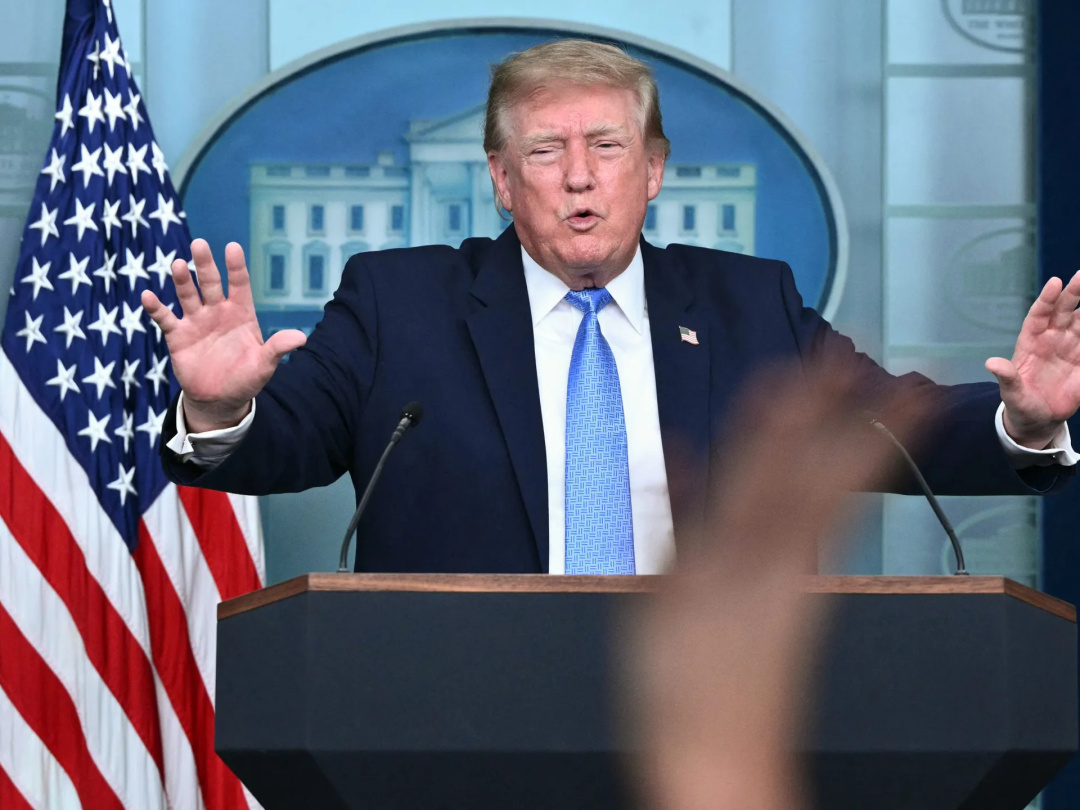
In a stunning display of bureaucratic creativity, the White House has released a groundbreaking new initiative aimed at the unprecedented challenge of managing allies who seem determined to sabotage their own diplomatic efforts. This guide, titled "The Spoilers' Guide to Managing Friends," provides a comprehensive framework for officials grappling with the conundrum of keeping peace talks afloat while their closest partners are busy tossing grenades into the negotiating room.
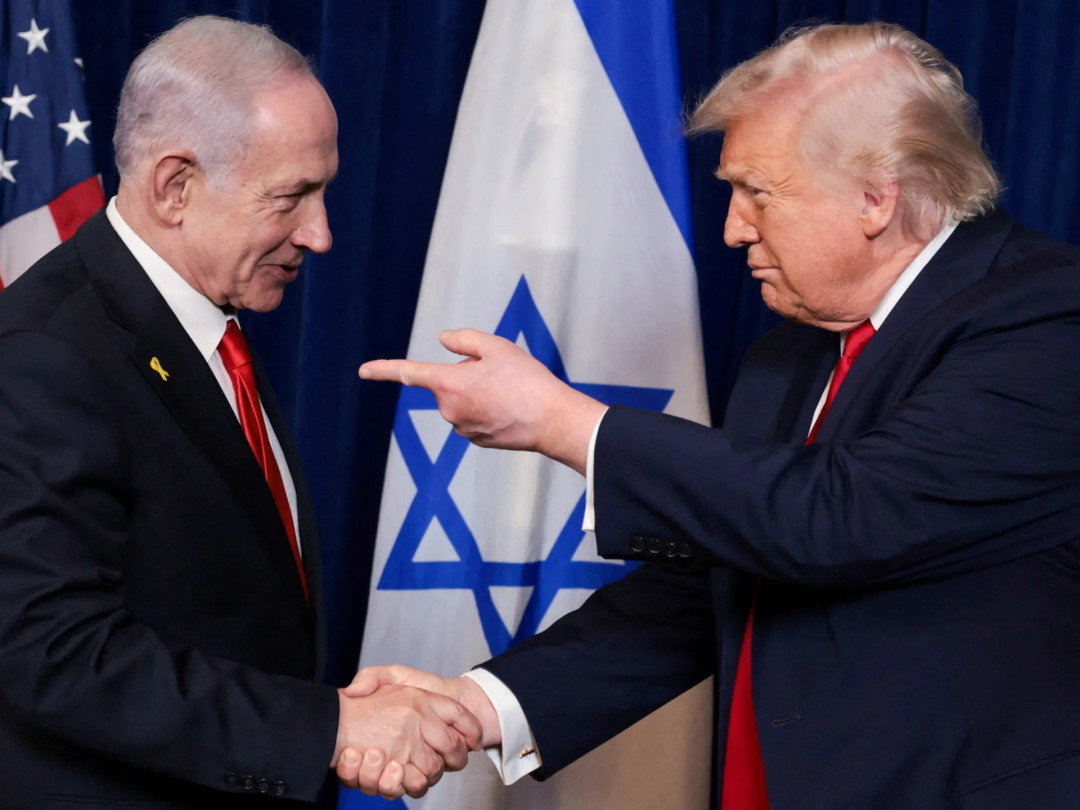
The initiative comes as Washington finds itself in a peculiar predicament: the greatest threat to successful diplomacy isn’t an implacable enemy, but rather the ally it has armed to the teeth. U.S. officials have reportedly taken to warning adversaries about possible plots from their own friends, showcasing a level of strategic ingenuity that can only be described as masterful mismanagement. After all, who needs enemies when you have allies like these?
Still Beats Watergate:
Sponsor success. Continue reading:
The guide outlines several key strategies, including the revolutionary concept of "coercively encouraging" allies to play nice. This involves a delicate balance of public rebukes, private requests, and an ever-mounting series of increasingly desperate diplomatic overtures. The idea is to create a ladder of escalation that ensures everyone knows just how unappreciated their sabotage efforts are, without actually doing anything that might resemble effective leadership.
This approach has been further refined by the incorporation of third-party stabilizers, those unsung heroes who act as buffers between the U.S. and its unpredictable allies. Imagine a scenario where your ally is about to launch an operation that could derail peace talks, and instead of just asking them nicely to stand down, you bring in an intermediary. This intermediary can be anyone from a well-meaning neighbor to a high-ranking official from a country that’s not currently on speaking terms with either party. The hope is that this intermediary can absorb the chaos while the U.S. figures out how to manage its own narrative.
As the guide illustrates, the complexity of modern diplomacy requires a rethinking of traditional strategies. Inducing compliance through incentives is no longer sufficient when your ally is simultaneously a spoiler. The new mantra is "we’ve got your back, but please stop stabbing us in it." This paradigm shift is sure to make waves in diplomatic circles, as officials scramble to adopt this innovative approach to alliance management.
Critics of the initiative have pointed out that the real challenge lies not just in managing the diplomatic fallout, but also in convincing the American public that their leaders are capable of managing foreign relations without resorting to a game of diplomatic whack-a-mole. However, the White House remains undeterred, assuring everyone that this effort is all part of a larger strategy of fostering stability by keeping enemies and allies alike guessing.
In the end, this new strategy underscores a profound truth about modern diplomacy: the most significant threats often come from within. As the U.S. navigates this treacherous landscape, it seems that managing friends might just be the hardest job of all, especially when those friends are determined to act like enemies.