Paramount Shareholder Accuses Ellisons of Illegal Deal with Trump: Hollywood Meets Courtroom Drama
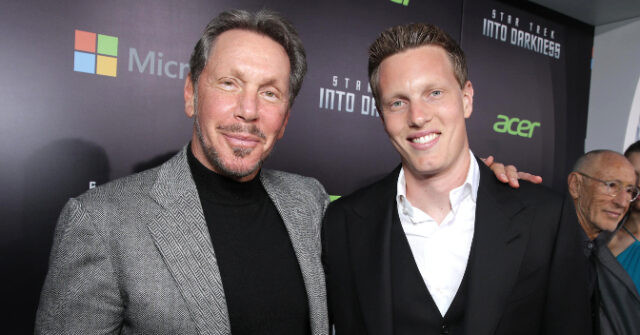
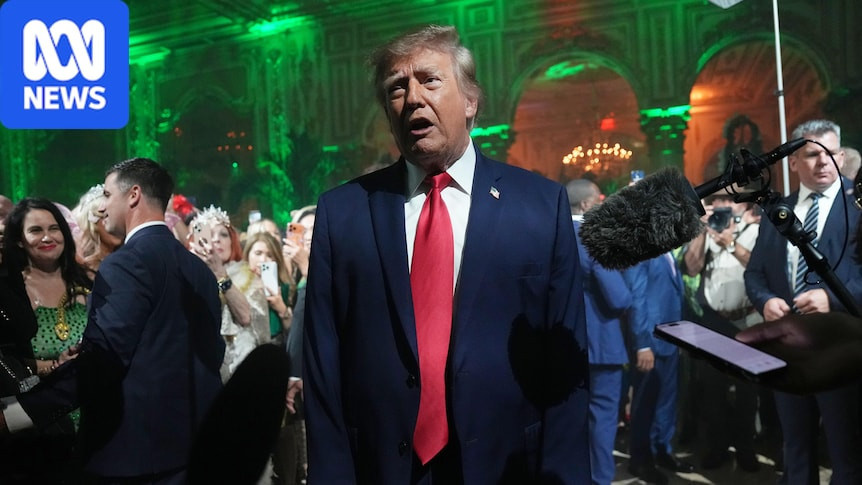
In a plot twist that could only be rivaled by a summer blockbuster, a Paramount shareholder has filed a lawsuit against Larry and David Ellison, claiming the father-son duo orchestrated an "illegal" deal with none other than former President Donald Trump. The crux of the complaint? A supposed conspiracy to facilitate the studio’s acquisition of Warner Bros. Discovery through a series of, let’s say, questionable maneuvers.
According to the lawsuit, the Ellisons allegedly promised Trump certain “private benefits” in exchange for removing federal regulatory roadblocks. This includes the tantalizing prospect of funneling cash to the former president by resolving his legal disputes with CNN. Because nothing says “upstanding business practices” quite like using a corporate merger to settle a feud with a news network.
Still Beats Watergate:
Sponsor success. Continue reading:
The complaint also notes that the Ellisons promised to terminate CNN anchors that Trump finds particularly annoying. Talk about a hostile takeover—who knew that mergers could involve such personalized personnel decisions? One can only wonder if this is the new standard for corporate governance: one part financial strategy, two parts political vendetta.
In response, Paramount has dismissed the suit as a mere rehash of previously aired grievances. They insist that no commitments were made to any government entity regarding CNN or any other media outlet, other than the noble pursuit of “truth-based journalism.” The phrase “truth-based journalism” is quickly becoming the most ironic tagline since “Pizza: Now with Less Grease.”
Interestingly, the lawsuit comes on the heels of another legal challenge, this time from a coalition of twelve Democratic state attorneys general who are also seeking to block the Paramount-WBD merger on antitrust grounds. Apparently, the mere thought of this merger is enough to make regulators break into a cold sweat. Who knew that the combination of two media giants could stir such feelings of dread?
As if that weren’t enough, the Writers Guild of America has also jumped into the fray, filing their own suit on the grounds that this merger could lead to lower pay and fewer opportunities for writers. In the world of Hollywood, it seems that no good deed—or ill-advised merger—goes unpunished.
Amidst the chaos, Paramount maintains that the Warner Bros. Discovery acquisition stands on its own merits and will ultimately benefit consumers. They argue it will enhance competition against streaming rivals, deliver more original programming, and somehow bolster journalism. This optimistic spin is reminiscent of a motivational speaker trying to sell a dilapidated car as a vintage classic.
As this legal drama unfolds, it leaves a lingering question in its wake: in a world where Hollywood and politics collide, who’s really calling the shots? If this lawsuit is any indication, it’s clear that the lines between cinema and reality have blurred, leaving us with a narrative more absurd than anything the big screen could conjure.