Vought's New Trauma Initiative: Making Federal Workers Wish They Were in a Horror Movie
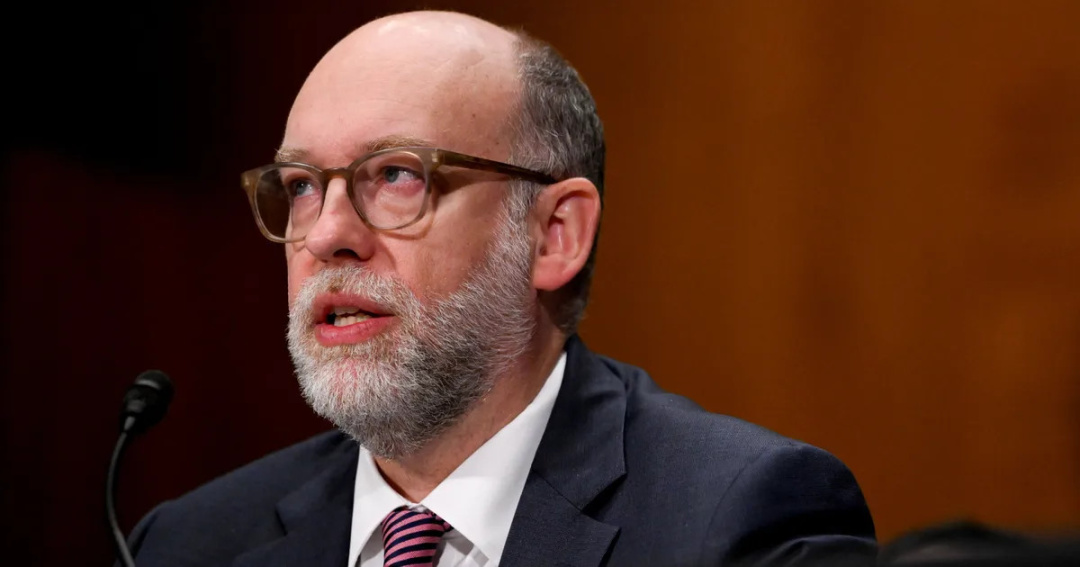
In a groundbreaking shift in federal management strategies, Russell Vought, the acting director of the Consumer Financial Protection Bureau, has officially launched his new initiative: Making Federal Workers Wish They Were in a Horror Movie. This comes on the heels of his recent Senate hearing, where he was asked to assess how effectively he has inflicted trauma upon the federal workforce. Spoiler alert: he was not exactly forthcoming with his answers.
Vought's grand vision for the federal workforce seems to align with the principles of a particularly sadistic motivational speaker. During a private event for conservative elites, he declared that they wanted to ensure bureaucrats are 'traumatically affected,' which sounds like something out of a dystopian novel rather than a rational administrative strategy. Apparently, waking up every morning in a state of existential dread is the new norm for government employees under his watch.
Still Beats Watergate:
Sponsor success. Continue reading:
When pressed by Senator Mark Warner about the actual impact of these policies, Vought resorted to classic bureaucratic mumbo jumbo, eagerly claiming he had done an 'incredible job' managing the CFPB. Unfortunately for him, Senator Warner was not amused. "You’re doing an excellent job at terrorizing and traumatizing our federal workforce," Warner quipped, demonstrating that even in the halls of power, humor can be a weapon against the absurdity of the situation.
Vought's strategy appears to be a part of a larger plan known as Project 2025, aimed at completely reimagining government. The goal? To make civil servants feel like the villains in their own stories. Vought envisions a world where federal workers wake up each morning, shaking in their boots, dreading the thought of going to work. It's a bold move, reminiscent of the best horror films where the real monster is the system itself.
The agency head’s refusal to acknowledge the trauma he seeks to impose on federal workers has not gone unnoticed. Instead of offering any meaningful response, he simply dismissed the senator’s questions as if they were the prattling of an overzealous intern. In the face of tangible evidence of his past statements, Vought danced around the truth like a politician on a tightrope, desperately trying to maintain his balance while ignoring the growing pile of video footage that contradicts his claims.
As Vought navigates the treacherous waters of public scrutiny, one must wonder: will his next initiative involve sending federal workers to team-building retreats in haunted houses? Or perhaps mandatory therapy sessions with the ghosts of budgets past? Whatever the case, the administration's commitment to creating a traumatized workforce is certainly innovative, if not outright terrifying.
In a world where job satisfaction is merely a quaint notion, Vought’s approach may very well mark the dawn of a new era in government employment—one where the motto might as well be, 'You’ll be scared to show up, and we’ll be scared to let you go.' As the federal workforce braces itself for the psychological warfare ahead, we can only hope for a swift return to sanity. Until then, we’ll just have to watch the drama unfold, popcorn in hand, as the bureaucratic horror show continues.