Rubio's Coalition Against Far-Left Terror: A Global Blind Spot or Just a Bad Idea?
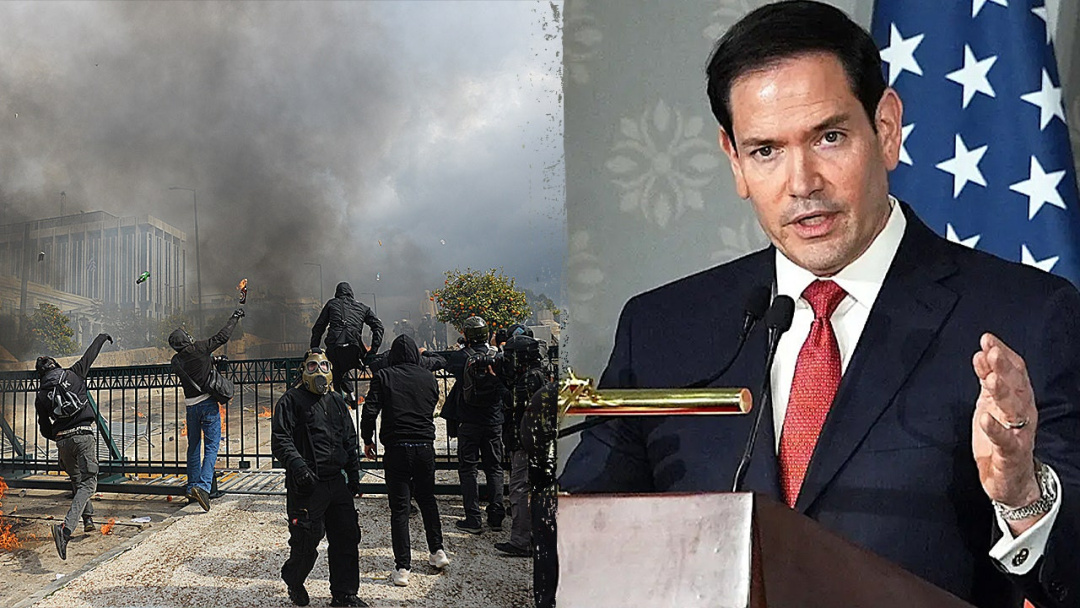
In a dazzling display of diplomatic theatrics, Secretary of State Marco Rubio has taken it upon himself to rally officials from 65 countries for an unprecedented coalition against what he describes as a burgeoning threat of far-left extremism. This initiative, which might just be the latest episode in the ongoing saga of political absurdity, aims to combat organizations he claims have become a significant transnational terrorism threat. Because nothing screams ‘serious governance’ quite like a global round-up of allies to tackle the specter of leftist ideologies.
The administration insists that this eight-month diplomatic effort is a response to a so-called blind spot in global counter-terrorism efforts, one that has somehow overlooked the rise of these alleged far-left terrorist networks. Apparently, for decades, governments have been too busy focusing on jihadist threats to notice that the leftist boogeyman has been lurking in the shadows, ready to engage the world in a game of ideological tag.
Still Beats Watergate:
Sponsor success. Continue reading:
Critics, however, are raising eyebrows faster than Rubio can say ‘global coalition’. They are questioning whether these far-left groups truly constitute a cohesive international threat comparable to the likes of Al-Qaeda or ISIS. Some worry that this initiative could be a clever ruse to label political dissent as terrorism, allowing governments to silence opposition under the guise of national security. In a world where a Twitter rant can lead to a federal investigation, anything seems possible.
Rubio, along with his trusty allies, insists that the mission is strictly about combating violence, not beliefs. After all, as one senior State Department official pointed out, “In America, you can believe anything you want.” Just as long as your beliefs don’t involve burning down police precincts or engaging in the dangerous act of public protest—then you might find yourself under the watchful eye of international law enforcement.
The administration's list of designated terrorist organizations is a veritable Who’s Who of leftist movements, including Antifa Ost and the Informal Anarchist Federation. Clearly, this is not just a casual attempt to foster international cooperation, but a full-on crusade to combat the specter of political ideologies that go against the current administration’s narrative. The notion that some governments are pursuing this agenda because they recognize similar trends within their borders is perhaps less about genuine concern and more about jumping on the bandwagon of anti-leftist sentiment.
While fires rage across Europe, fueled by protests that occasionally turn violent, it remains to be seen whether this coalition will address the root causes of such dissent or merely fan the flames of division. In a world teetering on the edge of political chaos, Rubio’s coalition offers a tantalizing glimpse into the future of international diplomacy—where enemies are manufactured, and the art of war is replaced by the art of rhetoric.
As this bizarre chapter of international relations unfolds, we are left wondering if this coalition will merely serve as a cautionary tale about the perils of political overreach or an elaborate stage for the next act in the theater of the absurd. Political dissent may be messy, but it seems that the only thing more dangerous than a far-left extremist might be a far-right politician with a flair for the dramatic. Get your popcorn ready; it’s bound to be a wild show!