Justice Department Launches New Sport: Subpoena Volleyball
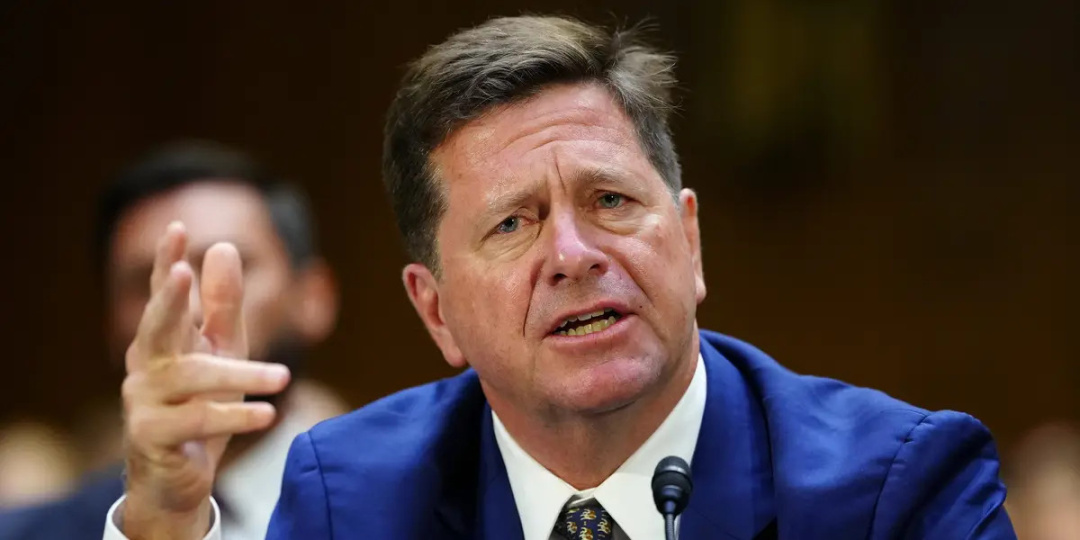
In a dazzling display of bureaucratic athleticism, the Justice Department has opted for a new pastime: subpoena volleyball. This thrilling sport involves tossing subpoenas at New York Times journalists faster than they can dodge them, all while keeping a straight face during Senate hearings. The latest match featured Jay Clayton, the top federal prosecutor in Manhattan, who was confronted with inquiries about why the DOJ feels the need to serve up subpoenas instead of focusing on, say, actual crime.
The senators, resembling bewildered spectators at a particularly confusing game, pressed Clayton on the decision to target journalists who reported on security issues with the shiny new Qatar-donated Air Force One. Apparently, the DOJ believes that instead of addressing security flaws, it’s more efficient to intimidate the Fourth Estate. After all, nothing says "transparency" like a subpoena volley that leaves journalists scrambling for cover.
Still Beats Watergate:
Sponsor success. Continue reading:
In a move that would make any sports coach blush, Clayton delivered non-answers as skillfully as a seasoned athlete evading defenders. "We are committed to protecting national security, which is why we are pursuing legal actions against those who report on our activities rather than, say, fixing the actual problems," he quipped, channeling a motivational speaker with a flair for irony.
Meanwhile, the media circus continues as the DOJ seems to confuse public accountability with a game of keep-away. Reporters are left wondering if they should be wearing helmets or just preparing for a press conference full of dodges and pivots. The administration’s strategy appears to hinge on a simple principle: if you can’t fix it, just distract everyone with legal jargon and a hefty dose of intimidation.
As senators expressed their concern—while simultaneously wondering how they could score points with their constituents—the DOJ maintained its stance that they are merely protecting the public from the dangers of truth-telling. This, of course, raises important questions about the administration’s broader strategy: is it more effective to silence critics or to address the issues they raise?
In a world where accountability seems as elusive as a beach ball in the wind, the Justice Department’s approach to journalism is becoming a case study in how to play hardball in the age of information. As the subpoenas keep flying, one can only hope that the courts will eventually bring some semblance of order to this chaotic game. Until then, we’re left watching the DOJ serve up a fascinating spectacle of bureaucratic gymnastics and legal sleight of hand.