US Blacklists Megaspeed While Celebrating CEO’s Unfettered Return from Scandal
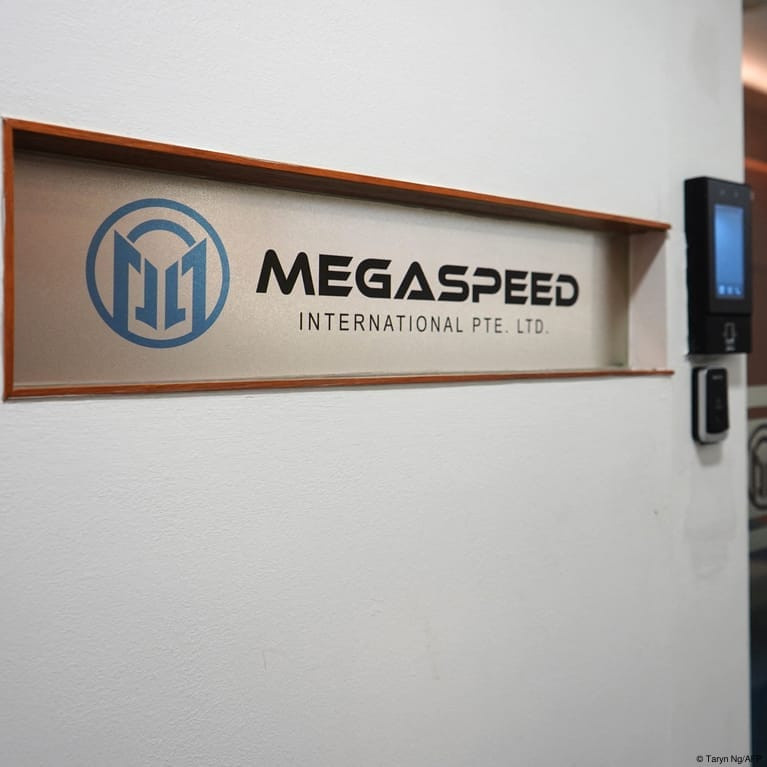
The Trump administration has officially added Megaspeed International to its trade blacklist, which is somewhat like throwing a party for a kid who just got caught with their hand in the cookie jar—but instead of cookies, it's semiconductors. Yes, you heard it right! Amid growing concerns of the firm smuggling Nvidia chips into China, the administration has opted for the classic bureaucratic approach: penalize the company while a certain CEO gets a standing ovation for his personal life decisions.
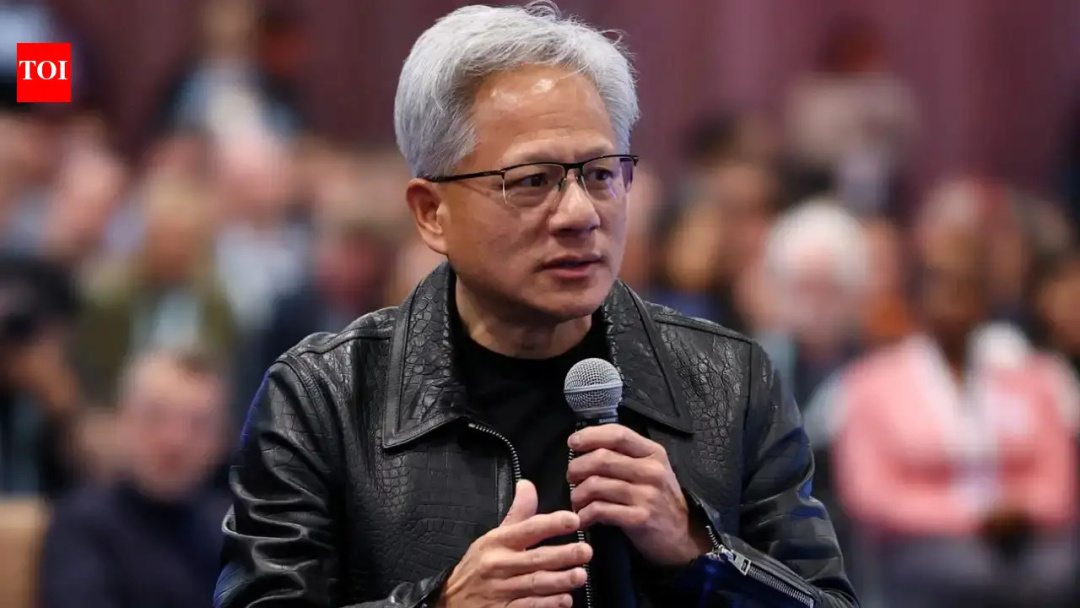
Jensen Huang, Nvidia's recently reinstated CEO and alleged scandal magnet, not only managed to navigate the turbulence of a public affair but also received a warm welcome back from the very industry that just tried to kick him to the curb. Talk about a corporate redemption arc! The Commerce Department spent over a year investigating Megaspeed, so naturally, they waited until the CEO was embroiled in a romantic scandal to decide that, yes, maybe they should take action. Sure, responsibility is key, but why not let the drama unfold a little first?
Still Beats Watergate:
Sponsor success. Continue reading:
In an effort to keep the public's attention focused on the right things, politicians have taken turns criticizing Secretary Howard Lutnick for not adding Megaspeed to the Entity List earlier. It's like scolding a lifeguard for not rescuing someone who was only knee-deep in the kiddie pool—except here, we’re talking about potentially sensitive AI technology and the fate of a company caught in a web of romance and espionage.
Yet, as Huang’s stock soared and politicians slapped their bureaucratic backs in celebration, one can't help but wonder: what exactly is the endgame? The administration’s mixed messages are more tangled than the plot of a soap opera, leaving us to ponder whether the trade blacklist is more of a symbolic gesture than a serious maneuver. After all, what’s a little espionage when there’s a scandal to exploit for headlines?
As Huang’s return ignites cheers from employees and further scrutiny from Congress, we’re left to sit back and watch the grand spectacle of governance unfold. Maybe the real question isn’t about the scandal itself but rather about how many more corporate executives will find their way back from the brink, thanks to a little charm and a scandal that stirs up just enough media frenzy.
After all, in the theater of politics, it appears that the only thing more pliable than trade regulations is the narrative itself. So here’s to Megaspeed, a company so well connected that it’s not just the chips they’re moving—it's the entire narrative of accountability and responsibility.
The Comedy of Bureaucracy in Action
So what does this all mean for the future of trade policies? It might just be that the next time a scandal erupts, the administration will opt for a dramatic trade action alongside a triumphant CEO return, turning the serious business of foreign relations into the latest episode of "As the Trade Turns."
The trading cards of corporate America now feature a new line of executives: heroes, villains, and those who just happened to be in the wrong place at the wrong time—like Jensen Huang, who has turned scandal management into an art form. As we wait to see how this all plays out, one thing is certain: if there’s anything we can rely on, it’s that the stories of intrigue and corporate drama will continue to captivate, perhaps even distracting us from the very real implications of these trade policies.
Your takeaway
In this ongoing saga of corporate loyalty and bureaucratic antics, it seems the only lesson is that in the world of trade, scandal might just be the best PR strategy. Let’s keep our popcorn ready for the next episode of this administrative sitcom where accountability is just a punchline away!