Shenzhen Summit: A Modern Yalta Where Everyone Leaves Uncertain
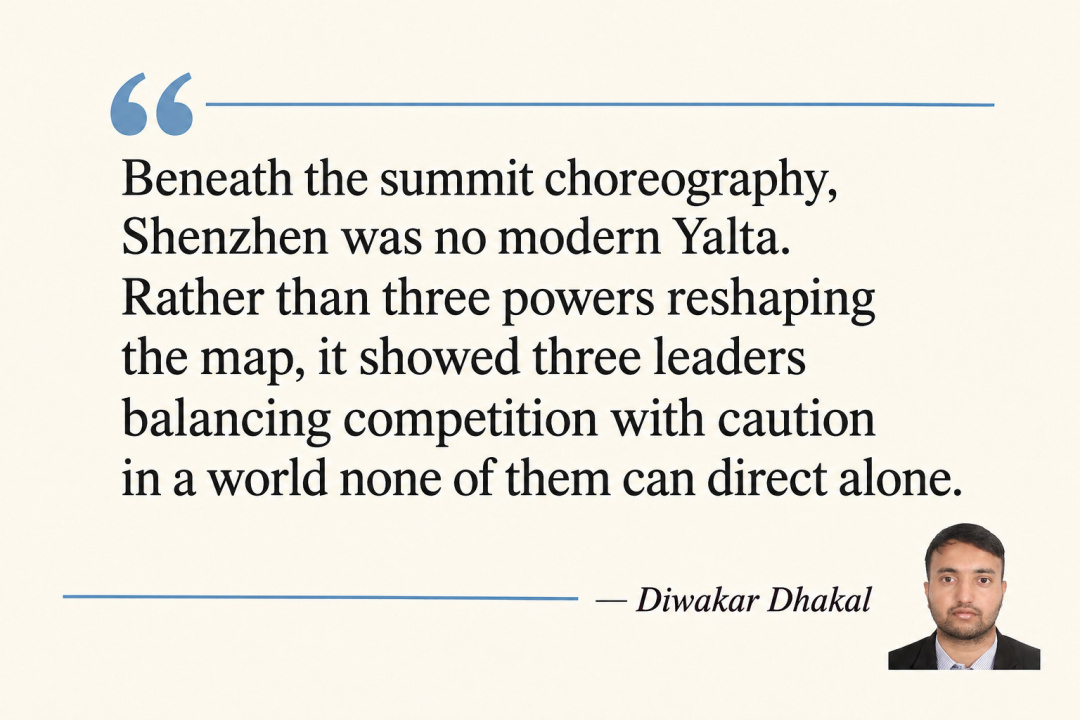
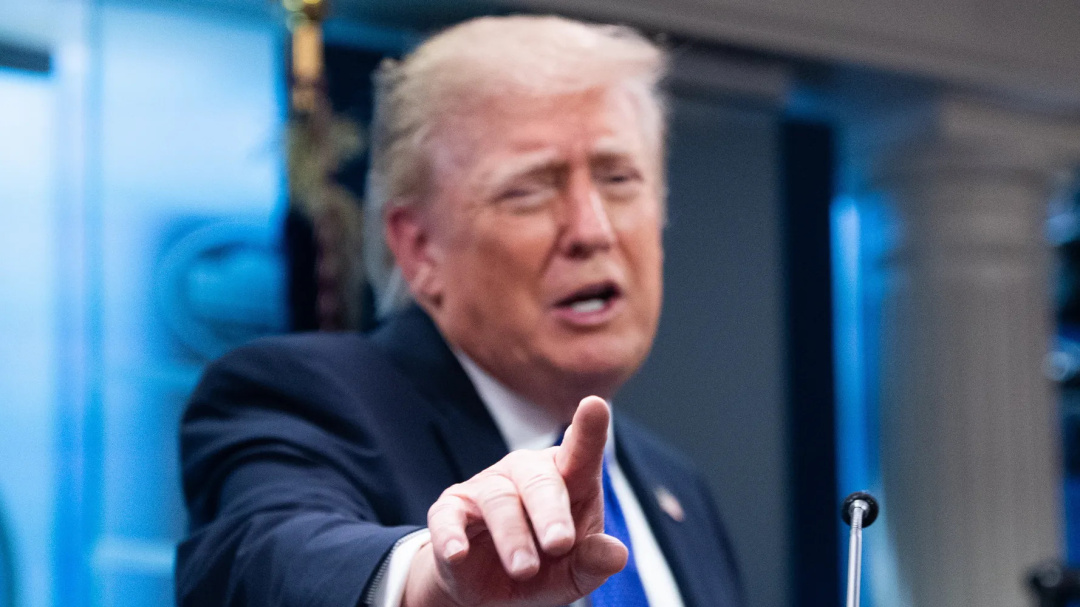
In a moment that would make past diplomats weep, the Shenzhen summit was nothing short of a modern-day Yalta, if Yalta had involved three leaders who most definitely did not agree on anything. For 90 minutes, Xi Jinping, Donald Trump, and Vladimir Putin sat around a table, probably discussing world domination strategies that involved more empty promises than actual power moves. Official rhetoric was on fire, with Trump proclaiming, "We are really making history," as though he was merely announcing an exciting new line of golf shirts instead of a geopolitical meeting.
Meanwhile, the Chinese Foreign Minister, with all the enthusiasm of a child at a birthday party, called it a "peace summit" that would pave the way for a new "paradigm for interaction." One can't help but wonder what the old paradigms were, perhaps a game of ‘who can ignore international law the longest’? The summit, however, made one thing clear: the trio was less about crafting a new world order and more about keeping their rivals on the sidelines while they made vague statements that sounded impressive but meant very little.
Still Beats Watergate:
Sponsor success. Continue reading:
The stark contrast between the original Yalta Conference and this modern interpretation is as clear as day. At Yalta, leaders dictated terms with the authority of wartime victors. In Shenzhen, they appeared more like reluctant parents at a school play, unsure of their roles and wishing they could just go home. As Putin defended the legacy of Yalta, claiming it acknowledged “the realities of the time,” it was hard to tell if he was reflecting on the past or just trying to justify his current situation, which might involve dodging international arrest warrants like a game of dodgeball.
Empty Promises in Diplomatic Discourse
Yet, amid all the diplomatic niceties, the leaders issued a peace statement that was as ambitious as a toddler's attempt at a grand gesture—lots of effort, very little substance. They agreed that nuclear war is bad, which is what we all needed to hear, but conveniently left out any specifics. No timelines, no targets, just a vague commitment that sounded suspiciously like a parents’ promise to ‘think about it.’
The Reality of Power Dynamics
As they danced around the issue of who really controls the narrative, the summit's outcomes were a reflection of a world where power is deeply fragmented. The three nations came together to discuss nuclear risks, but without the involvement of smaller states, their discussions felt more like an echo chamber than a strategic alliance. While Xi rolled out the red carpet for Trump, Putin sat back with the clarity of someone who knows they’ve overstayed their welcome—like a guest at a party whose jokes have stopped being funny.
In the end, while world leaders may gather for a photo op and some carefully crafted statements, the real takeaway is that the geopolitical landscape is as precarious as ever. As these leaders try to navigate their way through the complexities of international relations, we’re left wondering whether they’re more interested in actual dialogue or merely in making headlines. Until smaller nations have a real seat at the table, the Shenzhen summit stands not as a revival of Yalta but rather as a symptom of a world where nobody, it seems, knows how to play nice anymore.