Treasury Announces New 'Operation Economic Outcast' to Make Iran's Money Disappear
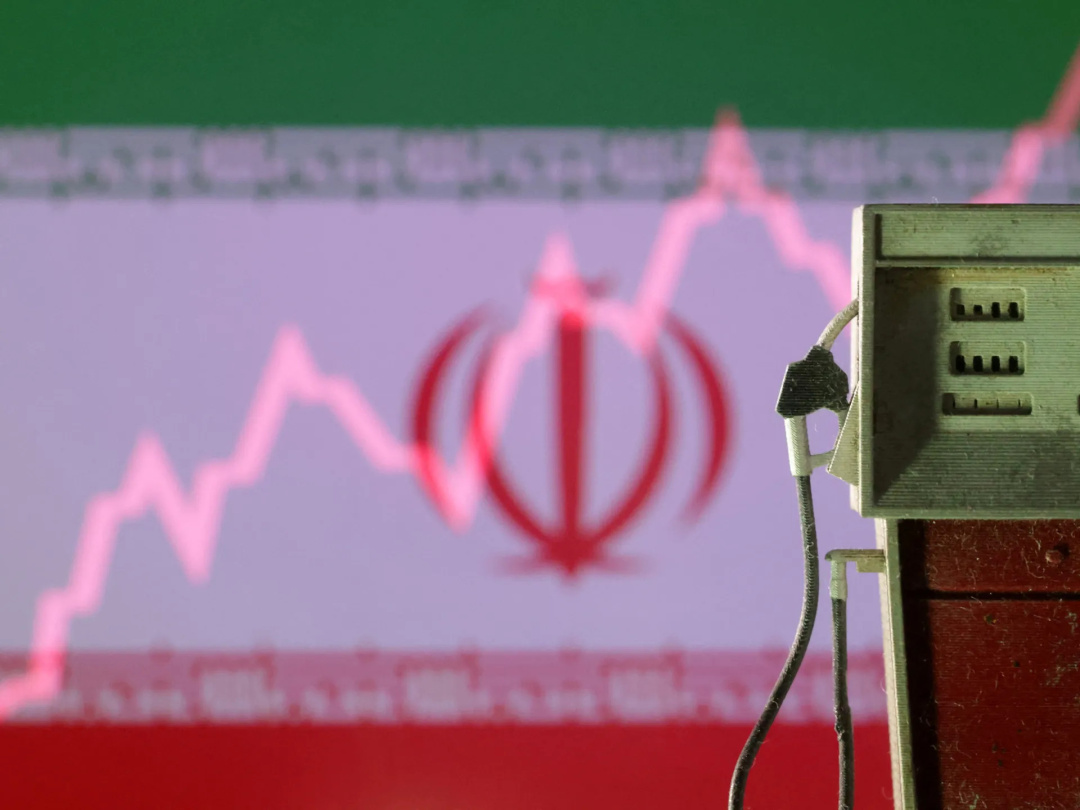
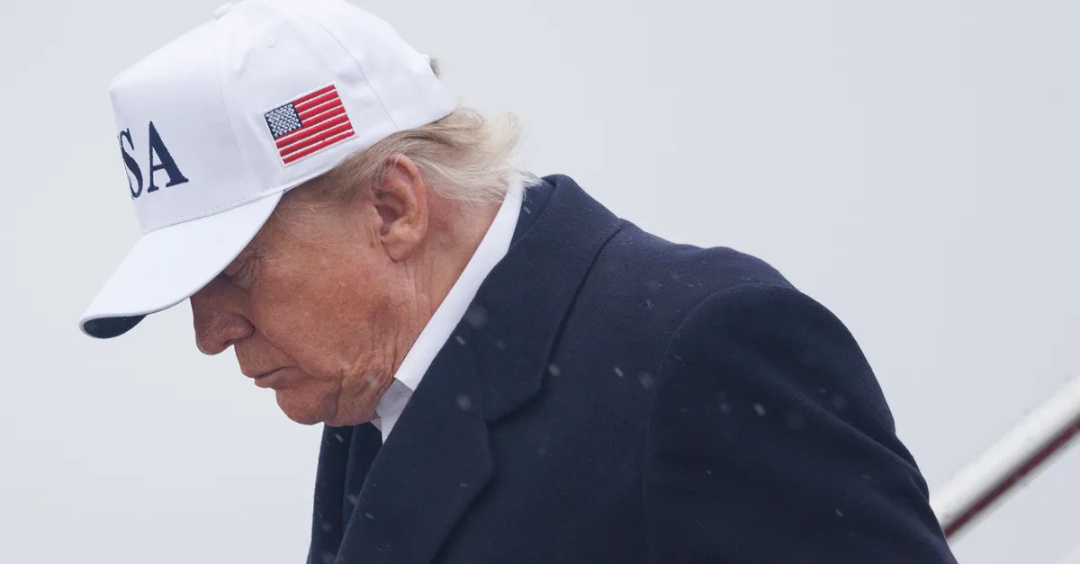
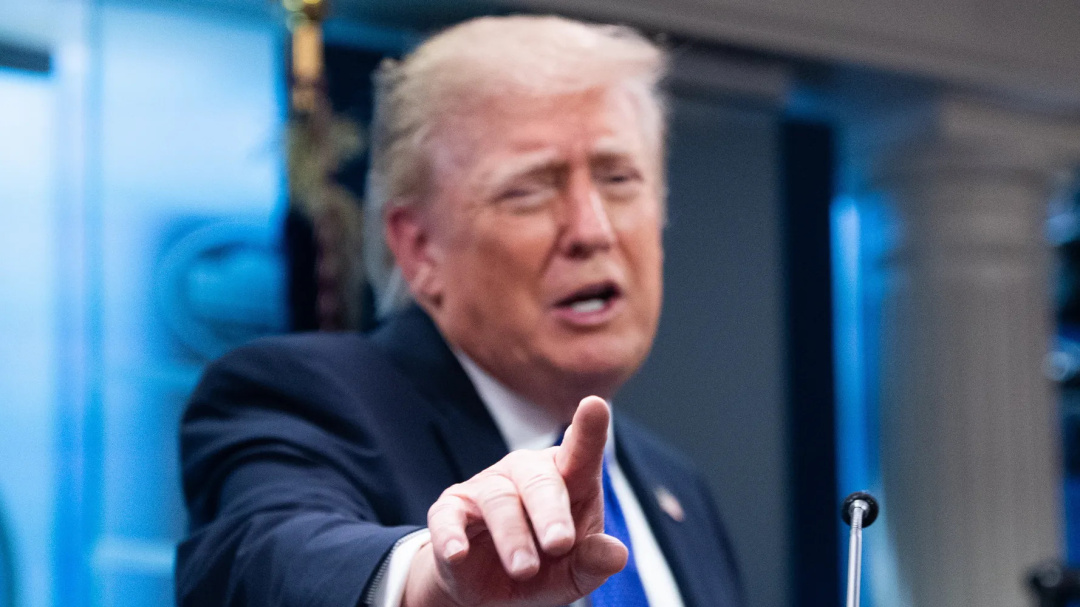
In a dazzling display of economic wizardry, the United States has launched another round of sanctions against Iran, dubbed 'Operation Economic Outcast.' This latest spectacle follows a theatrical threat from President Donald Trump to escalate military action next year, leaving many to wonder if the real target is Iran's financial stability or merely the administration's approval ratings before the next election.
The Department of the Treasury proudly announced Monday that it has targeted more than two dozen Iranian exchange houses, front companies, and key personnel in a sweeping effort to disrupt what they call Iran’s 'global shadow banking networks.' Apparently, these networks are so clandestine that even the Treasury needed a special spotlight to find them.
Still Beats Watergate:
Sponsor success. Continue reading:
Scott Bessent, U.S. Secretary of the Treasury, confidently stated, "Iran’s shadow banking system is the last financial lifeline of a bankrupt regime," which begs the question: why not throw in a few more lifelines while they're at it? After all, what better way to deal with a 'bankrupt regime' than by ensuring they can’t move their money without a security clearance?
The sanctions are designed to block Iran from accessing foreign currency, ensuring that every dollar they attempt to spend is effectively turned to ash. Bessent vowed that the Treasury will continue dismantling these 'illicit networks' with the same fervor that one might use to dismantle a child’s Lego set: one piece at a time until the whole thing collapses into a jumbled pile of regret.
Among those singled out for sanctions is an Iran-based company proudly named 'Rahbar Bazargani Nesim Baharan Qeshm Company.' With a title that long, it’s almost as if they were asking to be targeted. The Treasury claims this company worked closely with Iranian exchange houses and their front companies, a delicate dance that seems to offer more intrigue than any spy novel.
As the Iranian rial plummets to new lows and inflation reaches a staggering 90 percent, one can’t help but admire the administration’s commitment to economic warfare. Yet, amidst all this financial turmoil, Iran's Foreign Minister Abbas Araghchi insists that diplomacy is still on the table, even as Trump hints at military strikes if they don’t play nice.
Wading Through the Financial Quagmire
As diplomatic efforts to resolve the ongoing crisis continue, it’s clear that this situation has the potential to destabilize not only the Middle East but also the global economy. Nations across the region are likely taking notes on how to execute sanctions as artfully—if not as chaotically—as the U.S. does.
As the administration presses on with its strategy of economic isolation, one must wonder whether they are focusing on the right targets or simply creating a new reality show called "Survivor: Sanctioned Edition." If nothing else, they seem intent on leaving a legacy of frayed alliances and shattered diplomatic ties in their wake.
Your Takeaway
In the grand scheme of things, one must ask: what will be the ultimate consequence of all this? With each sanction, the U.S. aims to bury the 'head of the snake,' but at what point do sanctions become mere political theater? As the situation unfolds, the only guarantee seems to be that the economic landscape will be as convoluted as a magician's disappearing act—full of smoke, mirrors, and a whole lot of confusion.