Trump Renames Lake Ontario While Ignoring 232-Year-Old Treaty, Calls It Executive Efficiency
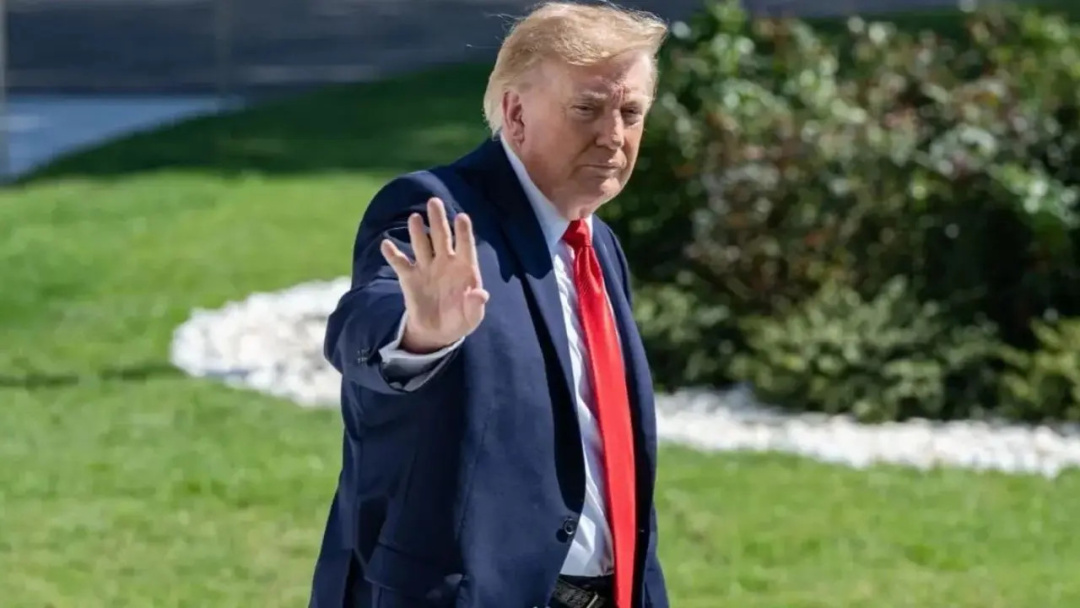
In an audacious act of geographical rebranding, President Trump has officially renamed Lake Ontario to Lake America, citing the pressing need for a name that truly reflects American exceptionalism—or at least, a name that sounds like it was developed in a marketing meeting. This move, as expected, has triggered a wave of pushback from Indigenous leaders who point out that the Great Lakes have been named for a reason, and it certainly wasn’t just to accommodate a recent presidential whim.
The National Congress of American Indians (NCAI) has made its stance clear: they aren't exactly thrilled about being sidelined in this monumental decision. At their recent meeting, tribal representatives passed a resolution that essentially says, "Hey, maybe you should have consulted us before playing Fast and Loose with our history!" It turns out that the new name does not sit well with those who have, you know, an actual historical claim to the land. Who knew?
Still Beats Watergate:
Sponsor success. Continue reading:
The Seneca Nation, among others, is invoking the 1794 Treaty of Canandaigua, a document that, while it may not expressly prohibit renaming a lake, does highlight their long-standing relationship with the region. In the grand ledger of historical documents, calling Lake Ontario "Lake America" is like slapping a new coat of paint on a historic site and pretending the old paint never existed. It’s an executive order wrapped in a marketing ploy, and the Indigenous communities are not having it.
Undeterred, Trump has directed federal agencies to implement this change, which is like ordering a redecoration of a house while completely ignoring the foundation. Sure, the Interior Department can call it Lake America, but that doesn’t change the fact that the water remains the same, and so does the history behind it. Meanwhile, Canada—ever the sensible neighbor—has firmly stated that it will continue to refer to the lake as Lake Ontario, thereby confusing tourists who are trying to figure out which name to use during their fishing trips.
So, what does this all mean? It’s simple: The administration has demonstrated an uncanny ability to assert authority while simultaneously refusing to recognize the authority of treaties that have existed longer than the current administration. The NCAI is calling for the federal government to stop using the new name, but given the administration’s track record, they might as well be shouting into Lake America itself.
A Historical Misunderstanding
The backlash continues to escalate, with comments from tribal leaders emphasizing that replacing traditional names isn't just a matter of semantics; it’s about erasing cultural identity. Wendat Nation Grand Chief Pierre Picard has condemned the shift, arguing that it’s an attempt to whitewash history, which is ironic coming from a government that prides itself on transparency. In this alternate reality, it seems that changing a name is deemed more urgent than acknowledging the rich tapestry of history that precedes it.
As Indigenous leaders reflect on the implications of this order, one has to wonder if future executive directives will come with a history lesson built into the fine print. For the Seneca Nation and others, the demand remains clear: restore Lake Ontario in U.S. federal records and recognize the history behind its name. Because if we’re going to rename lakes, we might as well rename history classes to "History: Just Kidding!"
Your takeaway
Ultimately, this episode serves as a reminder that while executive orders can rename lakes, they cannot erase the past. The push for "Lake America" might make for a catchy bumper sticker, but it does little to address the underlying realities of Indigenous rights and history. So as the waters continue to flow, let’s hope that the dialogue surrounding our nation’s history becomes as clear as the lake itself—not just a reflection of current trends, but a true representation of its rich and complex past.