Intelligence Chief Calls Trump's Putin Friendship 'Unnecessary', Like His Approval Ratings
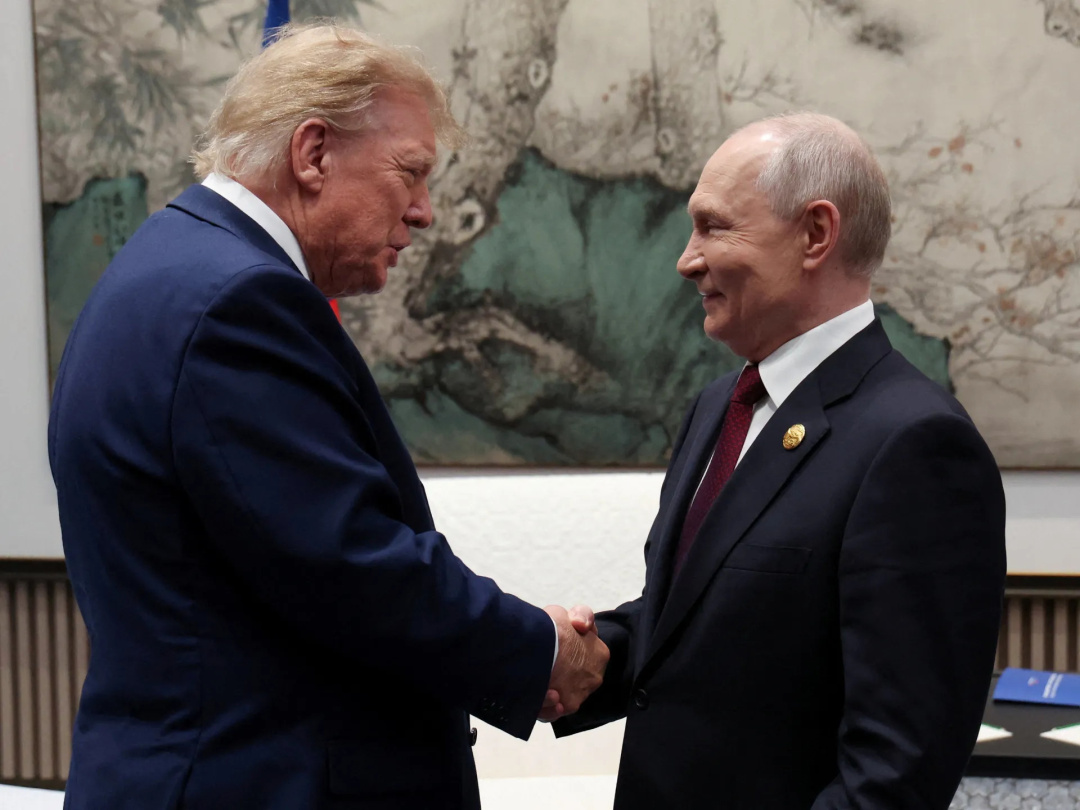
When it comes to international diplomacy, the US Director of National Intelligence, Jay Clayton, has boldly decided to redefine the term "friendship". Following President Trump’s playful declaration that Russian President Vladimir Putin is indeed his "friend", Clayton stepped up to the mic, declaring such remarks as "entirely appropriate"—which is the kind of phrase you use when you don't want to admit you’re in a questionable relationship.
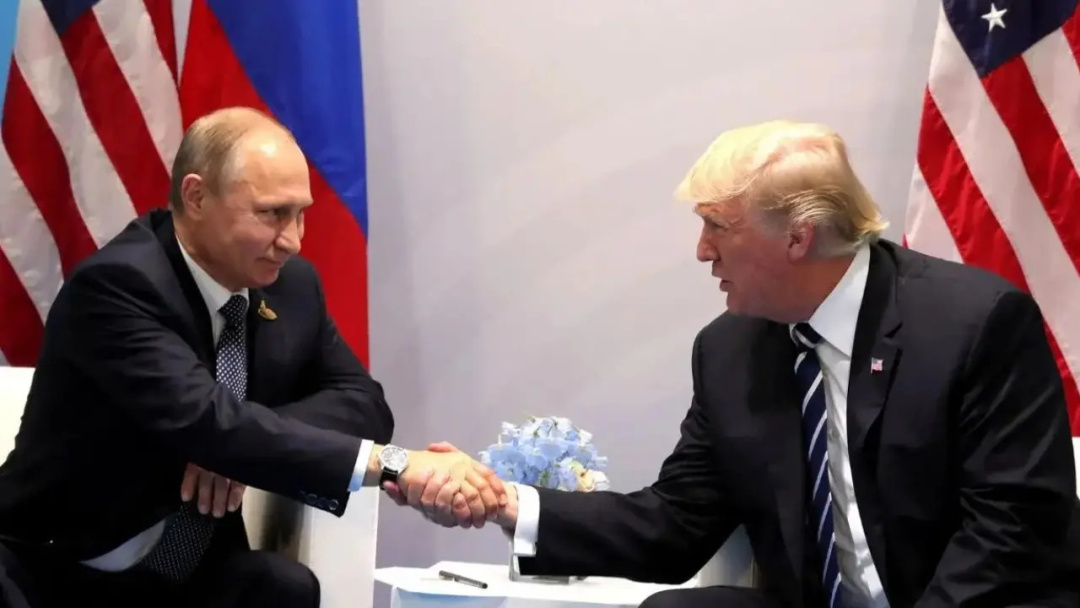
In a recent appearance on ABC’s This Week, Clayton faced relentless questioning about the implications of Trump’s warm sentiments toward a leader whose country is currently at odds with the United States, particularly over Ukraine. "Is Vladimir Putin America’s friend?" asked journalist Jonathan Karl, clearly trying to decipher just how far the rabbit hole of absurdity goes. Clayton, undeterred by the glaring contradictions, asserted that Trump’s comments were fitting for a historic summit. Because nothing says "historic" quite like an awkward handshake and a shared laugh over past election interference allegations.
Still Beats Watergate:
Sponsor success. Continue reading:
Clayton insisted that while the President may consider Putin a friend, the US government definitely does not. "He is not America’s friend in Ukraine. Not at all. Not at all," he clarified, generating a round of applause from those who enjoy the delicate balancing act of pretending to distance oneself from a problematic ally while simultaneously cozying up to him for photo ops. One can only imagine the diplomatic dance: "I’ll call you my friend, but only when nobody is looking!"
The irony doesn't stop there. As Trump openly jokes about his camaraderie with Putin—"Who is he? He’s my friend!"—critics within his own party are left scratching their heads at the apparent flip-flop from traditional Republican stances toward Russia. Outgoing Representative Don Bacon aptly accused Trump of "playing footsie" with a tyrant. One can envision a new campaign slogan: "Make Friendship Great Again!"—a bold move for any leader in need of a PR boost, particularly while the backdrop of a full-scale invasion looms.
The Politics of Personal Relationships
In Clayton’s continued defense, he emphasized the need for rapport in high-stakes environments, a sentiment that truly embodies the phrase "the personal is political"—or perhaps more fittingly, "the personal is politically expedient." As they discussed nuclear proliferation, the fact that no substantial commitments were made was brushed aside, with Clayton cheerfully reiterating, "Whatever language the president wants to use, I trust him completely." Brave words, given that complete trust is often a precursor to complete disaster.
Affecting you
Even as Clayton highlighted the historic nature of the meeting between Trump, Putin, and Chinese President Xi Jinping, critics pointed out the lack of tangible outcomes. One can hardly blame them; after all, meeting under the pretense of reducing nuclear risks is far less impressive when you realize it’s just a three-way phone call with no one on the other end of the line.
Ultimately, this whole debacle shines a spotlight on the bizarre nature of political friendships. In a world where one man’s "friend" is another’s adversary, it seems the only thing we can truly count on is the ability of politicians to redefine relationships on their own terms, even if it means doing the diplomatic equivalent of hiding a friend request. The real friendship threat remains: who knew that the path to political success was paved with such questionable alliances?