New DNI Pick Jay Clayton Promises to Spy on Finances, Not People
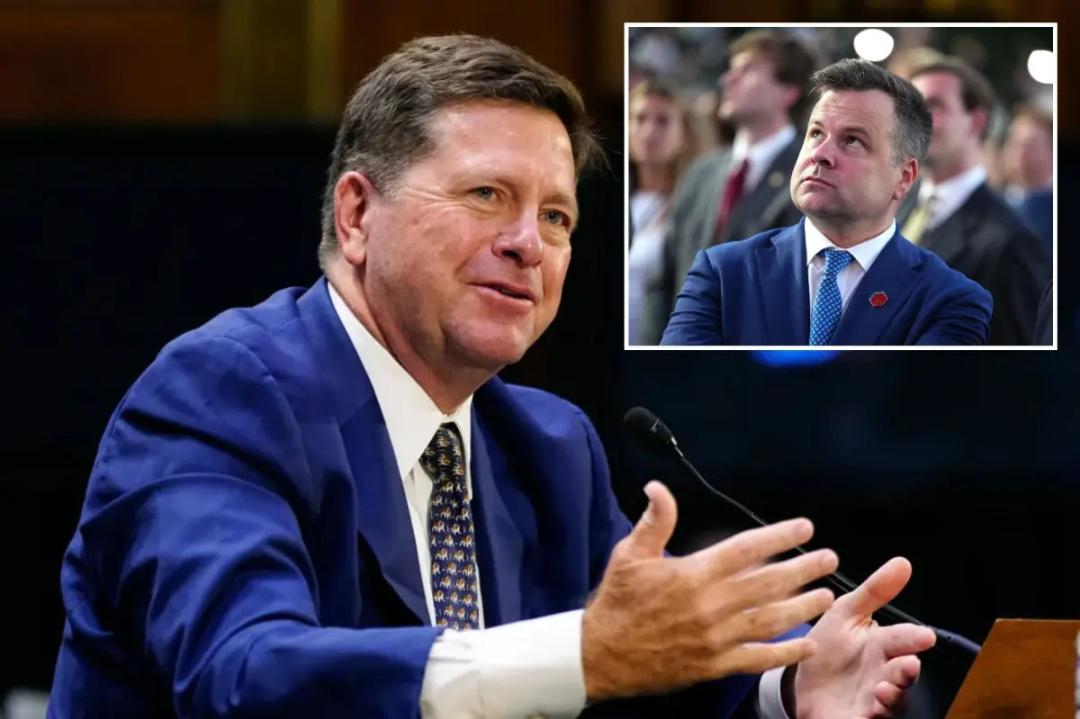
In a groundbreaking move that has sent shockwaves through the political landscape, President Trump's latest nominee for Director of National Intelligence, Jay Clayton, has boldly declared that his extensive background in finance qualifies him to oversee the nation’s intelligence agencies. During his confirmation hearing, Clayton reassured senators that while he may not have spent years analyzing satellite images or decoding encrypted communications, he can certainly read a balance sheet. In a riveting display of bureaucratic gymnastics, he argued that financial insight is the new frontier in intelligence gathering. Why spy on foreign adversaries when you can just audit their bank accounts? According to Clayton, the real threats to national security now lurk in the spreadsheets of Fortune 500 companies. He emphasized the need to pivot from outdated spycraft to modern financial sleuthing. As Clayton stated, "Leading large organizations is not just about having a keen sense of geopolitics but also about understanding the fiscal implications of international relations." In a stunning display of confidence, he assured the anxious senators that any intelligence report lacking a financial analysis is akin to a sandwich without the bread. The urgency in the Senate was palpable, as both Democrats and Republicans expressed their eagerness to confirm Clayton before they had to confront the real issues—like what to do with the acting DNI now that they’ve decided to give him the boot. While the Senate's bipartisan enthusiasm for Clayton may seem surprising, it appears they were more interested in expediting the confirmation process than challenging Clayton's novel qualifications. One senator was overheard whispering, "What’s next? A nominee for Secretary of Defense with a background in lawn care?" As Clayton's testimony progressed, it became evident that he was not just selling himself but inadvertently advertising a new trend in government appointments: the finance whiz. If this keeps up, future nominees might come from the world of hedge funds or real estate, armed with PowerPoint presentations on investment strategies instead of national security strategies. The Senate, with an air of resignation, seemed to accept that Clayton’s ability to manage risk in financial markets was enough to justify his position overseeing the world’s intelligence operations. After all, who needs a PhD in intelligence studies when you can simply juggle numbers and claim to be a master of risk management? In the end, Clayton’s confirmation hearing seemed less about national security and more like a pitch at a corporate conference. Perhaps the next nominee for Attorney General will come from a background in high-stakes poker—after all, bluffing is a key skill in both law and finance. The nation can only wait with bated breath to see if the new strategy pays off or if we end up with a financial disaster instead of a security one.
Still Beats Watergate:
Sponsor success. Continue reading: