Trump's Friendship With Putin: A New Standard for Nuclear Diplomacy and Data Management
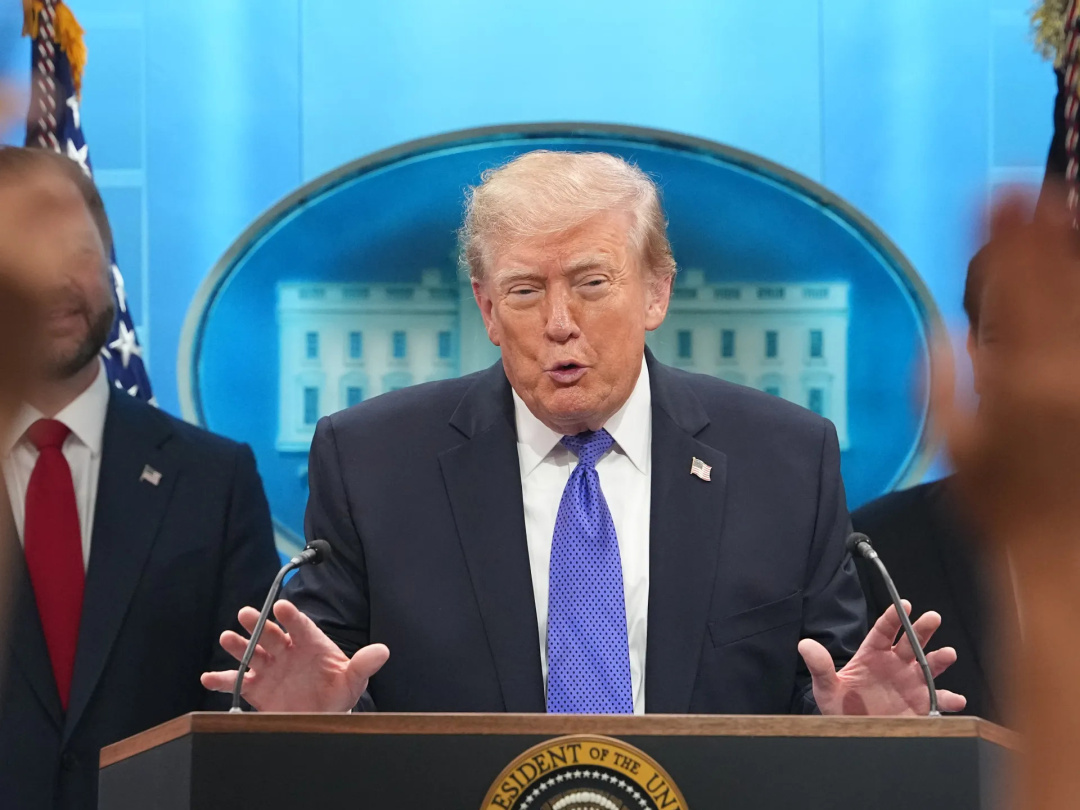
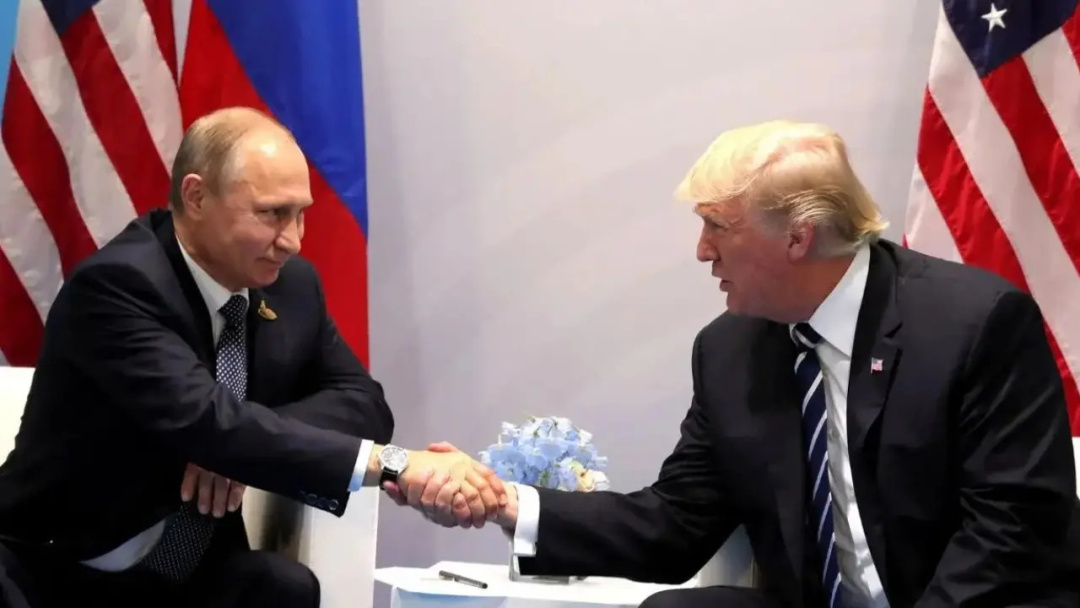
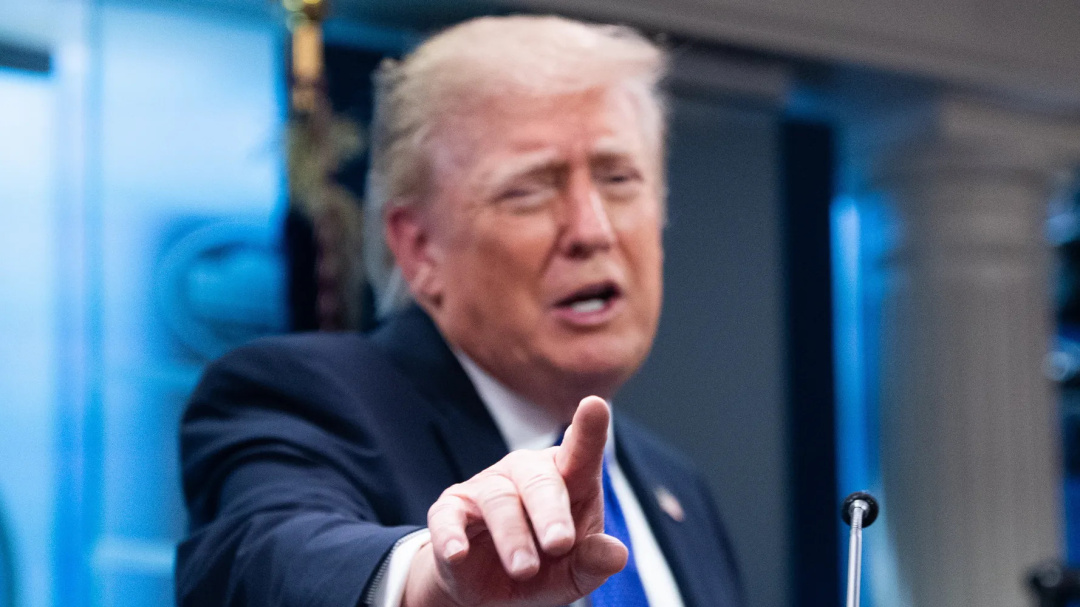
President Trump has taken the stage to reaffirm his extraordinary friendship with Vladimir Putin, a relationship he claims empowers America's nuclear strength. During a recent White House briefing, he painted a picture of unprecedented cooperation between the U.S., Russia, and China, praising a so-called "momentous" summit that, curiously, resulted in zero new agreements.
As Trump eloquently put it, "I have fantastic relationships with Putin. That’s a very good thing!" And who wouldn't want a friend who has nuclear weapons? Clearly, nothing screams peace like a good old-fashioned atomic friendship. This new nuclear triad of camaraderie, where the only thing more explosive than the weapons is the potential for misunderstandings, is just the ticket to global stability.
Still Beats Watergate:
Sponsor success. Continue reading:
Yet, amidst these budding friendships, Trump turned his attention to the realm of artificial intelligence, issuing a stern warning to U.S. tech companies about the perils of relocating their data centers abroad. "We’re not allowing data centers to go into other countries because China will take all of them," he declared, visibly energized by the prospect of enforcing a technology firewall that even the most complex firewalls would envy.
In what can only be described as a dazzling display of bureaucratic optimism, Trump explained that any company daring to defy this decree would face "tremendous penalties." Unfortunately, the specifics of these penalties are about as clear as a foggy morning in D.C.—not a single soul knows how they would be enforced. Perhaps he was envisioning an army of bureaucrats armed with calculators, ready to impose fines that would make anyone think twice before calling up Beijing for their cloud needs.
In a remarkable juxtaposition, the same man who openly admires an autocrat for his nuclear prowess now warns of dire consequences for any American company that might consider sending their data overseas, all while insisting that Iran is negotiating in bad faith. It appears that Trump’s foreign policy is built around a simple motto: "Trust but verify… except when it comes to my friends."
Irony of Alliances and Innovation
The ultimate irony is that while Trump celebrates the virtues of his international alliances, he simultaneously erects barriers to innovation and technological cooperation. One can only imagine the conversations happening in Kremlin boardrooms about how to leverage this new wave of American isolationism. After all, if Trump’s friendships can help keep the world safe, surely they can also keep America’s data safe—right?
As we step further into this new era of technological patriotism, Trump’s insistence on keeping AI data centers on American soil raises a key question: will trusting our own tech companies be as beneficial as trusting a former KGB agent? The fate of our data might very well rest on how many friendships Trump can forge before his next press conference.
Your takeaway
Shifting gears from the international stage, the audience was treated to a glimpse of what future summits might look like—one filled with light-hearted banter about who really holds the nuclear keys while pressing concerns about AI safety linger in the background. Perhaps it’s time to rethink the meaning of “mutually assured destruction” and start focusing on “mutually assured data security.”
Ultimately, as Trump continues to navigate the treacherous waters of diplomacy, one can only hope that the nuclear friendships he seeks to cultivate lead to lasting peace rather than a data disaster. In the world of international politics, it seems the only constant is that everyone will claim to be best friends—at least until the cameras stop rolling.