Kirkland & Ellis Offers $12 Million in Legal Services—Free of Consequences!
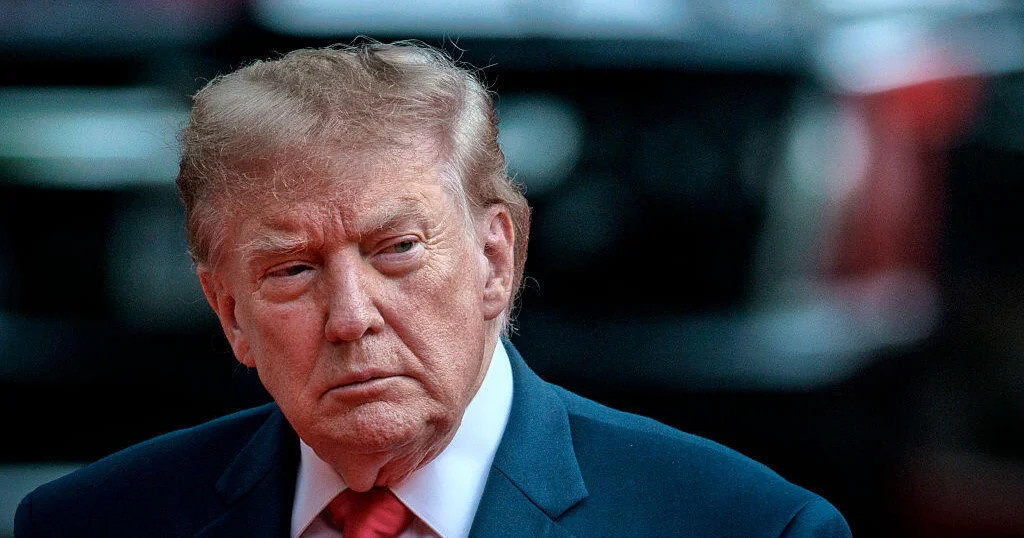
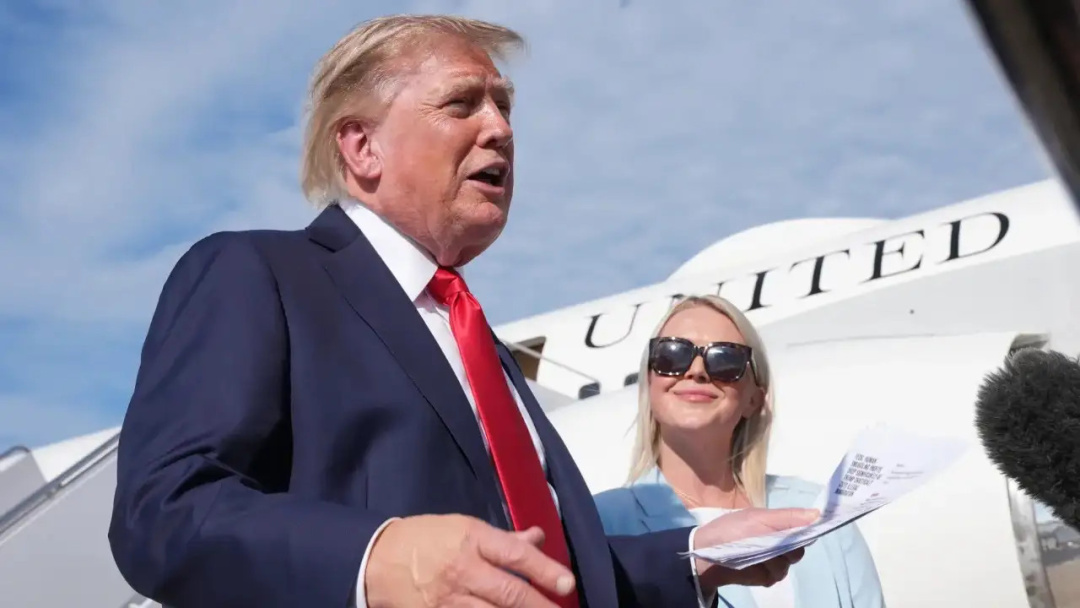
In a remarkable display of selfless generosity, the law firm Kirkland & Ellis has disclosed that it has provided nearly $12 million in pro bono legal services to the Trump administration, ostensibly as part of a strategy to avoid being targeted by executive orders. This cozy arrangement appears to be the legal equivalent of being asked to guard the henhouse while the fox is on vacation, and it raises the question: just how much legal assistance does a sitting president need to dodge consequences?
The firm’s spokesperson, Beth Wilkinson, revealed that the services were spread across several government departments, including the Commerce Department and the Defense Department, among others. One can only imagine the types of legal queries being thrown their way—"How do we best avoid accountability?" or "What’s the most creative way to frame this executive order?" Whatever the questions, Kirkland & Ellis seems to have the answers, at least for a price that includes a hefty pro bono discount!
Still Beats Watergate:
Sponsor success. Continue reading:
This arrangement, announced with much fanfare on Trump’s Truth Social platform, highlights the absurdity of political loyalty in exchange for legal counsel. The firm has pledged a staggering $125 million in pro bono services to causes dear to the president's heart, which might as well be described as a political loyalty card. In exchange for their legal expertise, they seem to have secured a golden ticket: the ability to refuse any work that might interfere with their main clients—like the numerous requests to assist with Trump’s vanity projects, including a triumphal arch and the renaming of the Kennedy Center.
Interestingly, while they have been falling over themselves to provide free services, Kirkland & Ellis has still managed to turn down several high-profile assignments. It’s almost as if they’re playing a game of legal dodgeball, expertly avoiding any requests that might land them in the hot seat. This has led some political observers to wonder whether other firms have similarly caved to the pressure of executive expectations while keeping their reputations intact—at least on the surface.
Kirkland & Ellis's actions have sparked a wave of outrage among congressional Democrats, who are investigating the firm alongside others that have made similar deals. The legislators are stepping in to determine whether these arrangements constitute an ethical breach or a flagrant disregard for legal standards. This legal tango raises critical questions about the boundaries of pro bono work and whether it should really be a cover for political favors.
As the investigation unfolds, one thing is clear: the intersection of law and politics has never been more absurd. With each passing day, the clarity of Kirkland’s altruism becomes murkier, while the smell of political expediency wafts through the halls of power. Perhaps the real takeaway from all of this is that in the world of executive orders, the only thing more binding than the law is the looser interpretation of what it means to be a good lawyer for the administration.
The Legal Quandary Unfolds
As the legal drama continues to unfold, there remains a lingering question—how many more law firms are willing to step into this quagmire while drafting their own pro bono narratives? The complexities of this arrangement illustrate a broader trend of how legal services have become entangled in the web of political machinations. The very structure of legal accountability seems to be bending under the weight of executive imperatives, and this case might just be the tip of the iceberg.
With Kirkland & Ellis standing as a beacon of legal generosity, it’s hard to ignore the potential for other firms to follow suit. The prospect of a legal landscape where pro bono work becomes a bargaining chip in political games is concerning. As the Senate continues to probe these agreements, one can only hope that the legal fraternity remembers the ethics that should govern their practice. After all, the last thing we need is more lawyers playing footsie with political power—unless, of course, they’re willing to do it for free!
Your Takeaway
In a world where legal services and political dealings intertwine, it’s important to keep a sharp eye on what’s happening behind the scenes. The Kirkland & Ellis case is emblematic of a larger narrative where ethics and legality are often in a tug-of-war. As the political theater continues, remember that the real winners in this scenario might not just be the law firms bagging pro bono credits but the political players who benefit from their legal gymnastics.