Jay Clayton's Confirmation Hearing: A Masterclass in Evasion
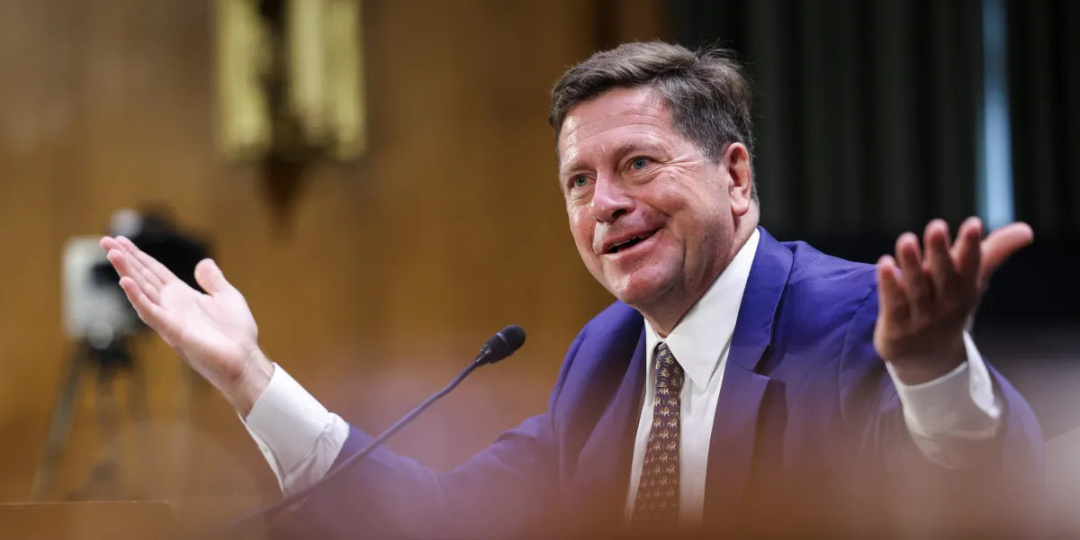
In a stunning display of bureaucratic ballet, Jay Clayton, the nominee for the nation's top intelligence officer, took to the stage during his confirmation hearing, captivating audiences with his uncanny ability to sidestep direct questions like a seasoned politician at a town hall. While Senators leaned in with the intensity of hawks eyeing their prey, the only thing Clayton seemed ready to commit to was an extensive game of verbal dodgeball.
When pressed on whether the White House had ordered him to issue subpoenas against journalists from the New York Times, Clayton's response was as clear as mud. "I cannot confirm or deny the existence of any directive from the White House regarding subpoenas," he stated, channeling his inner magician by making accountability disappear before our very eyes. It was a masterclass in evasion, leaving even the most seasoned questioners scratching their heads and wondering if they had accidentally wandered into a David Copperfield show.
Still Beats Watergate:
Sponsor success. Continue reading:
Clayton's performance raised eyebrows, particularly among Democrats who appeared increasingly agitated, as they pondered whether Clayton could stand up to Trump or if he would simply serve as a marionette, strings pulled by the very White House he was meant to oversee. "If he can't answer a simple question about subpoenas, how can we trust him to protect our nation's intelligence?" one senator remarked, clearly wishing for a crystal ball to peek into Clayton’s potential future of compliance.
As the hearing unfolded, Clayton's responses danced around the central issues like a politician at a fundraising gala, full of charm but lacking substance. The only thing more predictable than his non-answers was the chorus of applause from the White House staff watching from the sidelines, nodding in approval at their nominee's impressive ability to avoid accountability.
In a world where transparency is often touted as a virtue, Clayton’s confirmation hearing served as a stark reminder that when it comes to political machinery, the only thing more slippery than a politician's promise is their ability to deflect uncomfortable inquiries. The hearing concluded with more questions than answers, leaving the audience wondering if they had just witnessed a confirmation hearing or a masterclass in the art of plausible deniability.
As Clayton departs the Senate chamber, whispers of concern circulate among the legislative halls about what his confirmation might mean for the future of intelligence oversight. With such an adept dodger of questions at the helm, the nation can only hope that the only subpoenas he’s issuing are for his next magic show, and not against the freedom of the press.