Spy Chief Nominee Seeks to Redact His Way into the Intelligence Community
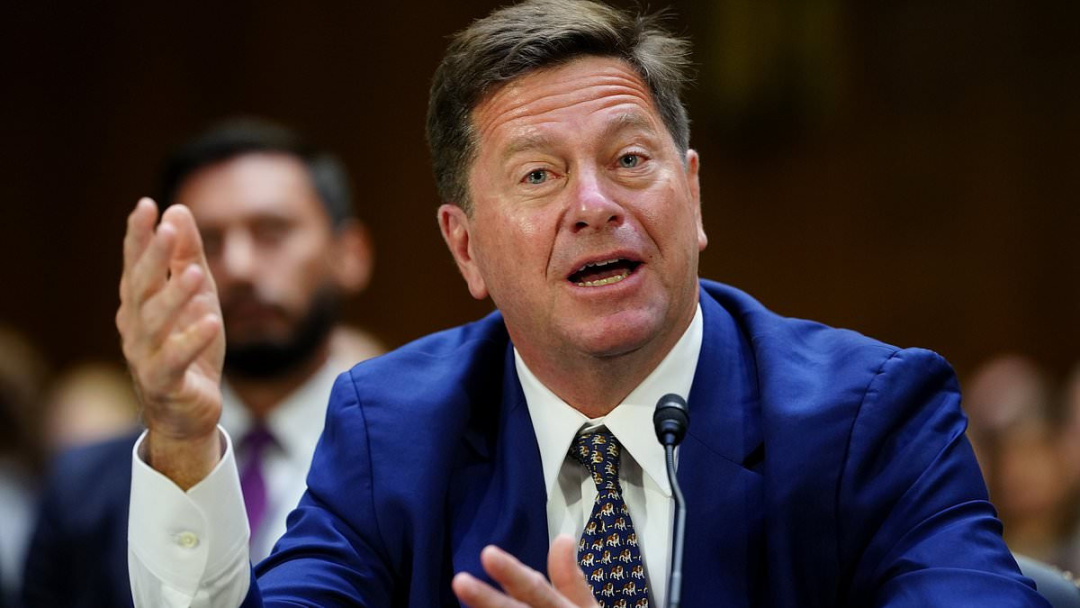
In a congressional hearing that could only be described as the bureaucratic equivalent of a magic show gone wrong, the President’s nominee for Director of National Intelligence took center stage to confess his pivotal role in a scandal that reads like a poorly written thriller. He stood before lawmakers, beaming with the confidence of someone who just realized that his karaoke rendition of ‘I Will Survive’ was less about resilience and more about his questionable judgment. "I take full responsibility for the lack of adequate redactions that exposed the identities of Epstein’s victims—truly, it was a redaction fail of epic proportions!" he declared, as if this admission were a badge of honor rather than a glaring indictment of his competence.
As cameras flashed and reporters scribbled furiously, one couldn't help but picture the nominee laboring over documents with a highlighter in one hand and a bottle of white-out in the other, convinced that a little artistic flair would suffice in the world of national security. Apparently, the art of redaction had never been taught in his extensive training, leading to a leak that not only sparked outrage but also left many wondering if the nominee mistook the term ‘classified’ for ‘suggested.’
Still Beats Watergate:
Sponsor success. Continue reading:
The hearing was punctuated by lawmakers questioning his potential as a guardian of the nation’s secrets. "How can we trust you to safeguard our intelligence when you can’t even safeguard the identities of vulnerable individuals?" one senator implored, to which the nominee responded with an awkward smile, reminiscent of a kid caught with his hand in the cookie jar, or perhaps more accurately, in the evidence locker.
As the nominee spun his narrative of blame and redemption, he seemed to forget that the role he seeks is one of utmost seriousness. After all, this is the same position that oversees the nation’s most sensitive operations, not a game of keep-away with classified documents. One can only imagine his strategy meetings: "Okay team, let’s brainstorm how to make leaks less leak-like. Ideas?" More white-out? A team of highly trained puppies to sit on the documents until they dry?
Meanwhile, the nominee’s charm offensive appeared to be working. Senators nodded in approval, perhaps believing that a few well-placed apologies and a charming grin could wipe the slate clean. After all, what is a little collateral damage in the name of national security? As he concluded his testimony, he left the room with a wave that felt more like a farewell than a victory.
In the end, the nominee's path to the keys of U.S. intel might just depend on how convincingly he can sell his story of redemption. Perhaps he’ll launch a new initiative: "Redaction 101: How Not to Expose Victims While Trying to Save the World." With each passing moment, it becomes clearer that in the realm of national intelligence, the only thing more precarious than the secrets being kept is the integrity of those tasked with keeping them. Thus, the saga continues, as we all wait with bated breath to see if this nominee can truly learn from his mistakes or if he’ll simply bring more chaos to the already bewildering world of U.S. intelligence.