JD Vance Ditches Summit to Stay in DC—Crisis Management or Just a Really Bad WiFi Signal?
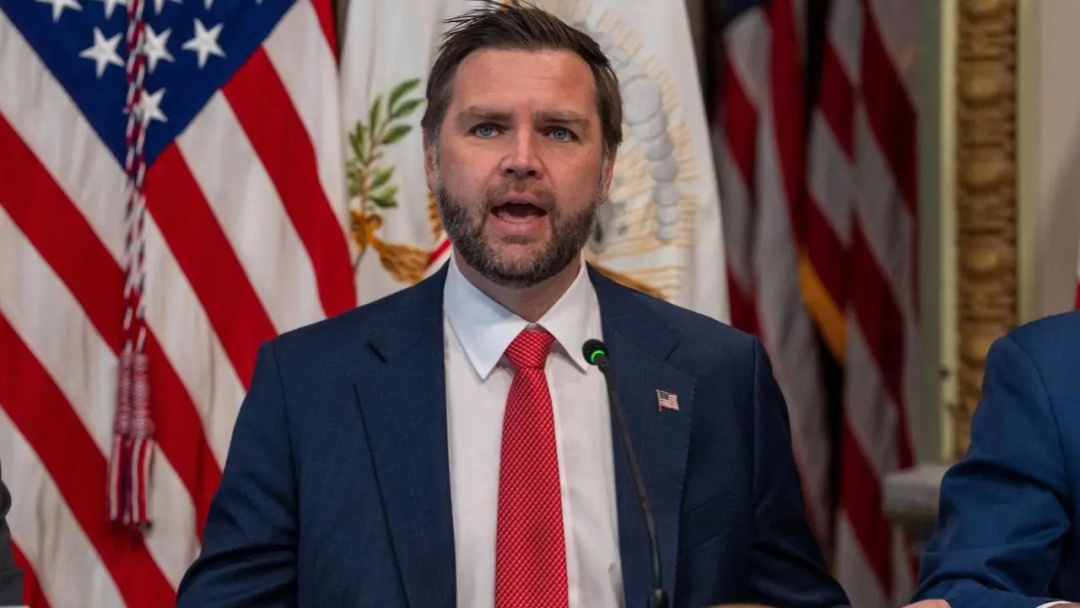
In a shocking turn of events that has left everyone wondering if the technology malfunctions are actually a government conspiracy, Vice President JD Vance pulled out of the New York Times' DealBook Summit just minutes before taking the stage. Apparently, Washington needed him more than a room full of media moguls discussing the next big thing in tech. Vance's abrupt decision came amid a whirlwind of technology disruptions affecting everything from government networks to airlines, and let's just say it appears the administration might be using duct tape and a prayer to hold the system together.
As Summit founder Andrew Ross Sorkin noted, organizers received the news only 20 to 30 minutes prior to the event. Those poor Secret Service agents who had been prepped for Vance's arrival probably felt like they were getting ready for a surprise birthday party that just got canceled. After all, who doesn’t love a good excuse to wear sunglasses indoors?
Still Beats Watergate:
Sponsor success. Continue reading:
Despite the flurry of outages, including a National Security Agency communications network going dark, the Trump administration remained steadfast in its assertion: there’s absolutely no evidence that these incidents are connected, nor could they possibly imply a coordinated cyberattack. In fact, it’s more a coincidence than a conspiracy, akin to your cat knocking over a glass of water just as you sit down to eat.
The chaos escalated following a nationwide FAA ground stop, which lasted over four hours due to a telecommunications failure. Apparently, a contractor performing maintenance had an accidental meltdown, causing air traffic control to look like a scene from a disaster movie. Who knew technology was as unreliable as a politician’s promise?
Vance's Calm Amidst Technological Turmoil
In the midst of all this, Vance had the audacity to tell Fox News that his friends were worried they might need to build bunkers or stock up on supplies. But fear not! His reassuring answer was a firm 'no'. Vance reminded everyone that while emergency planning is crucial, it doesn’t mean a crisis is imminent. Oh, good, that’s exactly what everyone wants to hear during an alarming series of tech disruptions: "Everything’s fine! No need for panic. Just keep watching reality TV."
As investigations into these various technology failures continue, the White House is left answering lingering questions surrounding the consistency and reliability of systems that we rely on for everyday life. After all, if we can’t trust our technology to work seamlessly during an administration's biggest moments, what chance do we have at being able to trust them with our actual lives?
The Irony of Technology Failures
And so, the saga continues, with Vance’s cancellation serving as a critical point of inquiry into how well this administration handles crises—especially when staying in Washington means staying out of the public eye and letting everyone else take the fall. Of course, the notion that these technology failures might somehow be connected remains off the table, like your uncle’s conspiracy theories at Thanksgiving gatherings. Just keep those tinfoil hats at home, folks.
As former White House press secretary Karoline Leavitt pointed out, a little more transparency wouldn’t hurt the White House right now. But then again, transparency has never been the administration's strong suit. After all, why explain the details of a crisis when you can just call it a series of unrelated, unfortunate coincidences? In the end, Vance’s decision to stay in Washington raises one burning question: if the tech is failing, does that mean the administration is also out of service?