Treasury's New Rule to Help Banks Investigate Businesses
In a bold move that places bankers firmly on the front lines of illegal immigration, the Trump administration has decided that financial institutions need to investigate business ownership with the fervor of an overzealous detective on a crime show. The latest proposal from the Treasury Department's Financial Crimes Enforcement Network (FinCEN) suggests that banks should dive deep into the ownership of businesses when they notice any warning signs—because clearly, scrutinizing business ownership is the new black.
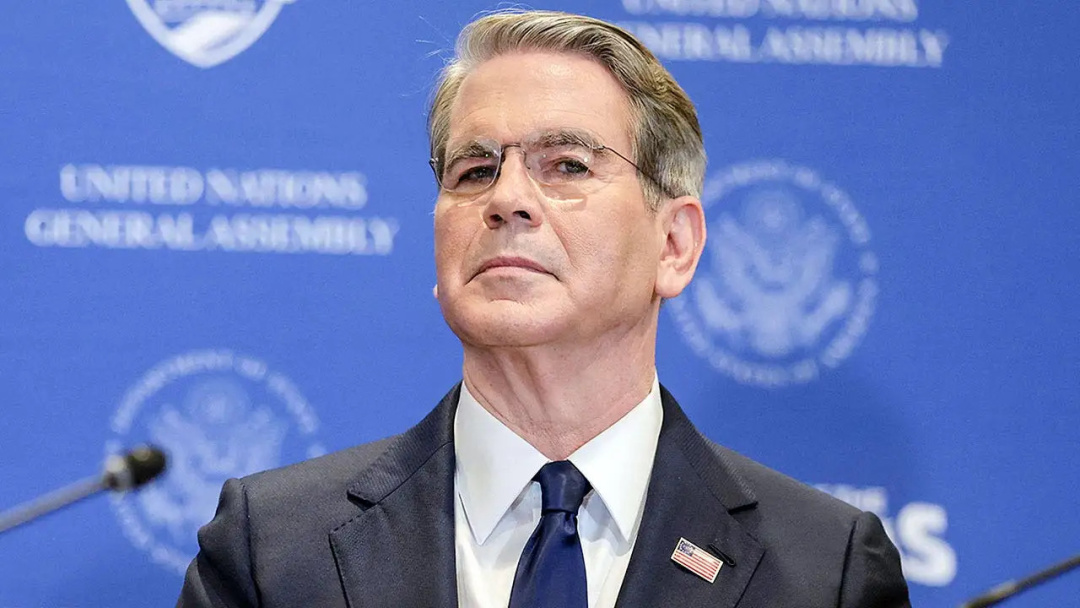
Treasury Secretary Scott Bessent, who has apparently taken a break from his regular duties of finding innovative ways to hinder financial progress, announced this initiative with a straight face, implying that this shift will somehow strengthen our national security. Because if there's one thing we've learned, it’s that making banks the gatekeepers of immigration status will keep our financial systems safe and sound. Never mind the existing hurdles bankers face daily; now they can also add “border patrol” to their job descriptions!
Still Beats Watergate:
Sponsor success. Continue reading:
These new financial regulations will allow banks more wiggle room to ask about the immigration status of their business customers. Yes, you heard that right: your local bank might soon require a green card along with your mortgage application. Forget about identity theft or identity fraud; the real enemy is clearly a small business owner who might not have their immigration papers in order.
With great power comes great responsibility, which in this case means financial institutions will need to flex their muscles by digging into who owns a business. Instead of focusing on actual financial crimes like money laundering or the usual suspects of corporate malfeasance, banks are now expected to become amateur sleuths in the murky waters of immigration status.
As part of this grand scheme, the proposal does not directly require banks to verify every customer’s immigration status—thank goodness! Because we all know how effective the IRS is at gathering accurate information. But it does urge them to be vigilant and watchful, like the old man with binoculars yelling at kids to get off his lawn.
The plan will also remove the requirement for banks to reverify beneficial owners every time a customer opens a new account, effectively easing the compliance burden. It’s almost as if the banks are being told, "Don’t worry about verification; just investigate everyone you think looks suspicious. We trust your judgment!"
The Irony of Financial Oversight
Bessent claims that financial institutions are the unsung heroes in the battle against criminal organizations and cartels, which makes one wonder just how deep the Treasury’s faith runs in their ability to read the room. Surely, the bankers will be thrilled to know their new responsibility involves not just the usual balancing of spreadsheets but also policing the immigration status of business clients. Who knew banking could be so thrilling?
In adding this layer of scrutiny, the administration hopes to combat illicit finance and protect law-abiding businesses. Because nothing screams "trust" like banks acting as immigration officers. This proposal is merely another reminder of the creative ways the administration can divert attention from the complexities of actual financial crime, opting instead for a shiny new toy that looks good on paper but likely complicates the already convoluted banking process.
Your Takeaway
So, as we watch this policy unfold, let’s take a moment to appreciate the absurdity of banks being handed responsibilities that go far beyond their original purpose. With all that’s on their plate, it might just be time for the Treasury to reconsider who really needs a close examination—because if there’s one thing we know for sure, it’s that a suspect banking system isn’t going to fix itself by playing sheriff in the world of immigration.