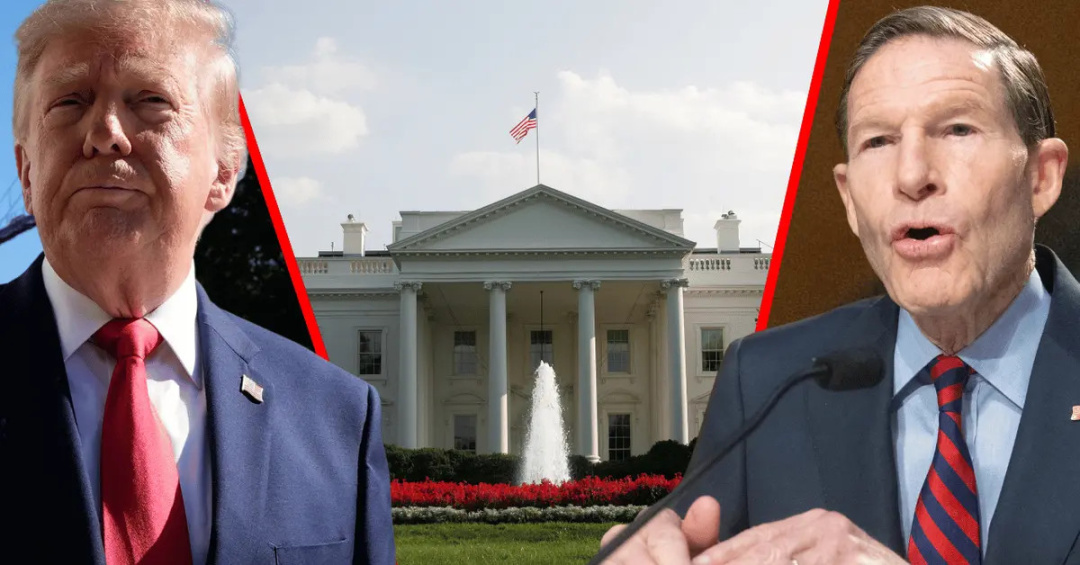
White House Seeks To Revive NATO: New Campaign Strategy or Just a New Name?

In a move reminiscent of a child attempting to breathe new life into a beloved toy by slapping on a fresh coat of paint, the White House has unveiled its latest initiative to "revive" NATO. Dubbed the "North American Team of Orchestrated Defense"—or NATO 2.0 for short—this rebranding effort promises to echo the sentiments of member states while ensuring that no one ever questions its purpose again. After all, nothing says steadfast military alliance like a catchy new acronym.
Sources close to the Oval Office report that this initiative stems from a highly classified internal memo titled "How to Make NATO Great Again (Again)". The memo, which was discovered tucked between a pile of old fast-food receipts and a dog-eared copy of "The Art of the Deal", outlines a series of bold strategies designed to convince both allies and adversaries that NATO is still relevant in today’s geopolitical landscape. Among these strategies is the introduction of a new logo featuring a stylized eagle holding a cheeseburger—because nothing says strength like fast food.
Still Beats Watergate:
Sponsor success. Continue reading:
In the spirit of transparency, White House Press Secretary Kayleigh McEnany assured reporters that the administration is committed to full disclosure regarding the rebranding costs, which have been estimated to run as high as the GDP of a small nation. "We believe in spending taxpayer dollars wisely," she stated, while simultaneously dodging questions about the potential use of leftover campaign funds for this dazzling initiative.
The plan also includes a series of whimsical public relations stunts designed to showcase NATO's renewed vigor. Future events are set to feature synchronized swimming displays by the U.S. Navy and a series of TikTok challenges where soldiers will compete for the best dance moves while wearing fatigues. The White House is betting that this approach will not only attract younger audiences but also distract from any discussions of the alliance's actual effectiveness.
Meanwhile, international leaders have expressed a mix of bemusement and confusion at the announcement. One top official from a NATO member country, who wished to remain anonymous, commented, "We always thought NATO was about collective security, but if it’s now a marketing campaign, maybe we can finally get some free swag out of this deal."
As the White House pushes forward with its grand plans, the question remains whether this is a genuine attempt to rejuvenate a once-great alliance or merely a ploy to distract from domestic challenges. Either way, the administration seems committed to ensuring that NATO 2.0 will be the talk of the town—if only to keep attention away from those pesky approval ratings and economic downturns. In the end, all we can do is sit back and watch as our leaders spin the wheel of political fortune, hoping it lands on "success" rather than "What Were They Thinking?"