Trump Administration Claims Cybersecurity Success While Planes Sit Grounded
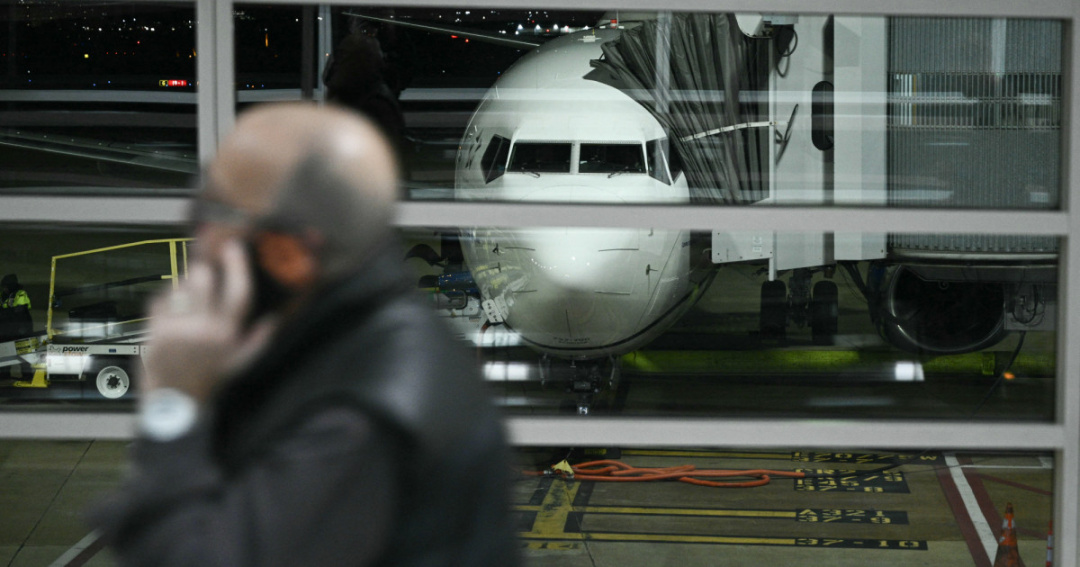
With Americans witnessing a symphony of chaos—canceled flights, failing Microsoft accounts, and service meltdowns at financial giant JPMorgan Chase—the Trump administration has risen to the occasion, portraying these digital disasters as a bold move toward cybersecurity leadership. Instead of a genuine overhaul of our digital infrastructure, it appears the administration is ready to sell us a shiny new narrative, giving the appearance of action as planes remain stubbornly grounded.
The FAA’s initial findings cite 'excessive data flooding' from routers somewhere in Texas and Arkansas, but they haven’t quite managed to pinpoint the underlying cause of these disruptions. Meanwhile, JPMorgan Chase has nonchalantly attributed their troubles to a mysterious 'software bug'—a euphemism that could mean anything from an errant line of code to a disgruntled intern throwing a tantrum. Microsoft, on the other hand, has placed the blame on a previous network capacity upgrade, which they assure us is not linked to any cyber nefariousness. Just a regular Tuesday in the tech world.
Still Beats Watergate:
Sponsor success. Continue reading:
This begs the question: who exactly is leading America’s cybersecurity charge when the administration seems to be more adept at spinning a yarn than tackling the issues at hand? Recent discussions have floated the idea of cutting the budget of our top cybersecurity agency by $700 million, which could be seen as a strategic move to ensure they have fewer resources to mess things up—because if they’re not working, they can’t fail spectacularly.
In a House hearing, when asked if those budget cuts were a blunder, Secretary of Homeland Security Markwayne Mullin was silent, which is perhaps the loudest answer of all. It’s as if the message here is: ‘We’ll take responsibility for outcomes that don’t require us to do anything.’ The administration’s commitment to messaging over substance is almost poetic, promising robust cybersecurity while their infrastructure crumbles faster than a house of cards in a windstorm.
The Irony of Urgent Upgrades
Senator Mark Warner, a leading voice on cybersecurity, pointed out that AI is pushing companies and agencies to patch vulnerabilities at lightning speed, creating a perfect storm of strain on systems built for a much slower world. The irony here is delightful—a government pushing for immediate upgrades while simultaneously slashing the resources needed to make those upgrades possible. It’s like watching a toddler with a crayon—enthusiasm without the necessary skill or foresight.
As we enter a month dubbed 'Black October,' with cybersecurity professionals working overtime to address vulnerabilities unearthed by AI, it seems clear that the cyber landscape isn’t slowing. Instead, like a monster under the bed, it’s growing, and the administration’s attempts at reassurance sound increasingly like a lullaby to a very disturbed child. If only those reassuring words could magically fix the crumbling infrastructure, we might finally experience the digital utopia they keep promising.
Your Takeaway
The notion that America is at the forefront of securing its digital future feels increasingly like a bad joke. As planes remain grounded and citizens struggle with basic digital services, the administration’s efforts to frame these incidents as mere bumps on the road to greatness only serves to highlight a disturbing trend: the more they talk about leading, the further behind they seem to be. It’s a spectacle of governmental ineptitude, where the narrative is polished, but the reality remains a chaotic mess.
In the end, the Trump administration's narrative of triumph amidst turmoil reveals that when it comes to cybersecurity, they’re more about spin than substance. As Americans, we’re left to wonder: when will they stop selling us dreams and actually deliver a functioning system? Until then, we can only hope our flights remain grounded long enough to avoid the chaos of a tech failure while waiting for a cybersecurity miracle that may never come.