Trump's Election Speech Sets Off CNN Panel Fireworks: Are We Really Here Again?
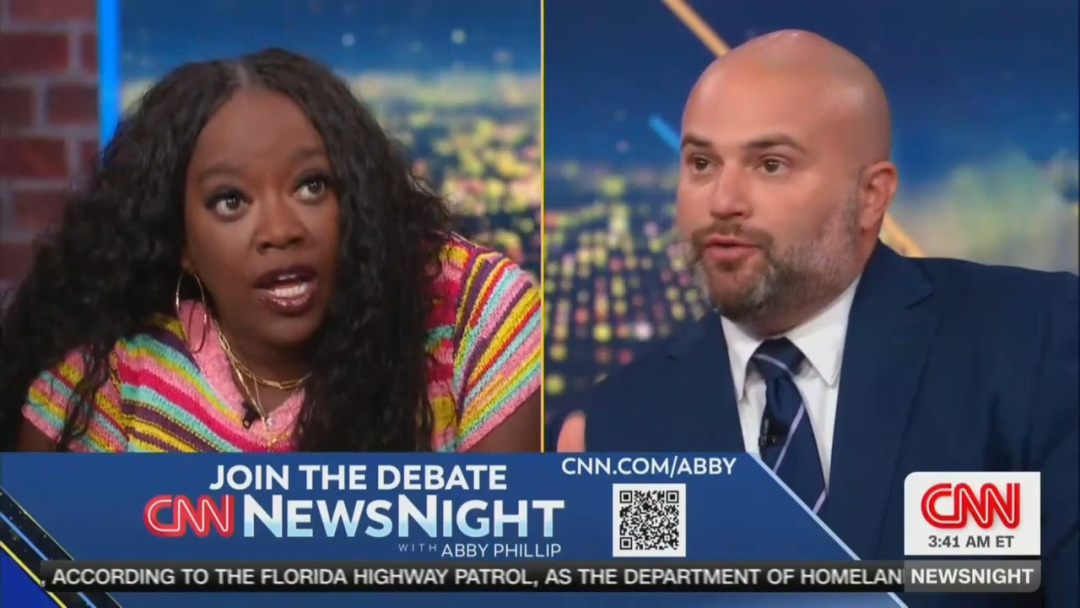
In a thrilling prelude to the latest episode of American political theater, Donald Trump is once again set to deliver a speech about election security that promises to be both riveting and utterly predictable. As the usual cast of CNN panelists gathered to dissect the anticipated address, one might have expected a calm discussion of the issues at hand. Instead, what unfolded was a veritable fireworks display of opinions, rivalries, and the occasional sigh of resignation—a perfect encapsulation of why politics has become so entertaining.
The panel, comprised of a delightful mix of pundits, struck the perfect balance of indignation and disbelief. Democratic strategist Ashley Allison and conservative commentator Joe Borelli engaged in a spirited exchange, reminiscent of a high-stakes game of tug-of-war, where neither side could seem to let go of their well-rehearsed talking points. "Are we really going to do this again?" Borelli asked, as if he had just discovered that someone had recycled last year's holiday decorations.
Still Beats Watergate:
Sponsor success. Continue reading:
Clearly, the question was not whether Trump would resurrect debunked claims about a stolen election, but rather how many times they could be presented as fresh material before the audience collectively rolled their eyes. This cycle of misinformation has become the political version of a Netflix show that should have been canceled after one season, yet continues to churn out episodes.
As the conversation escalated, it became apparent that the true spectacle here was not the substance of Trump's upcoming address, but the circus-like atmosphere that surrounded it. It seems that every time Trump takes the stage, a new round of media panic is triggered; it's as if they were all waiting for the next big headline to drop like the latest pop single. The irony is delicious: a speech meant to clarify facts about election integrity has turned into a trigger for chaos and confusion, leaving viewers questioning who is really in charge of the narrative.
What the audience craves, it appears, is not clarity but rather the ongoing drama that comes with each of these events. The panelists, in their best efforts to dissect the speech before it has even been delivered, are inadvertently contributing to the very cycle they claim to critique. As they engage with Trump’s narrative as if it were a well-crafted screenplay, they seem to forget that real-life politics is often stranger than fiction.
The sheer absurdity of this situation raises a vital question—what does it say about our political discourse when a former president can hold the media hostage with repetitive rants? As the panelists bicker, they unwittingly play their roles in the grand narrative, ensuring that Trump remains the center of attention, even when the topic is the supposed revival of falsehoods. The moment serves as a potent reminder that in the world of modern politics, the facts may be flexible, but the chaos is always on schedule.