New Executive Order: Dismantling International Institutions One Tweet at a Time
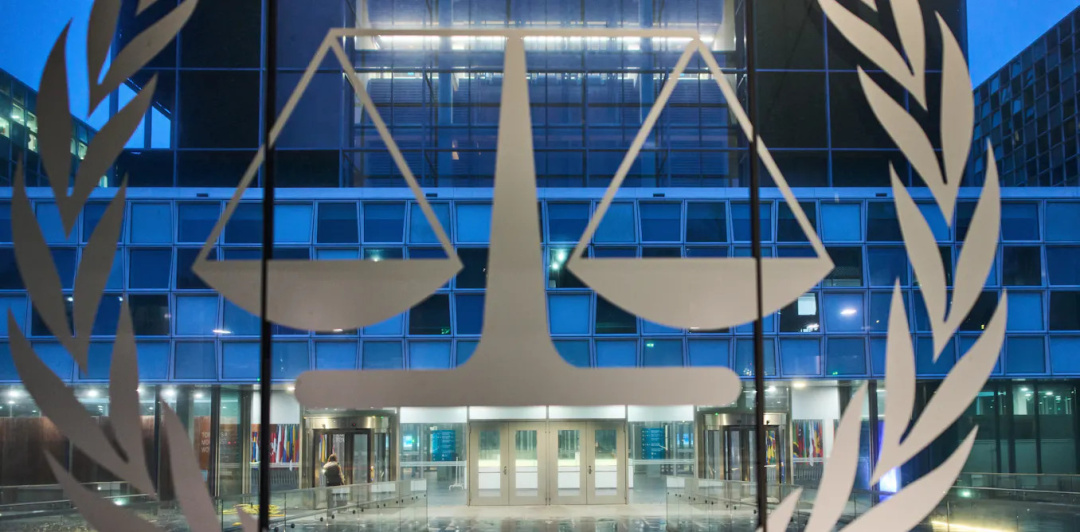
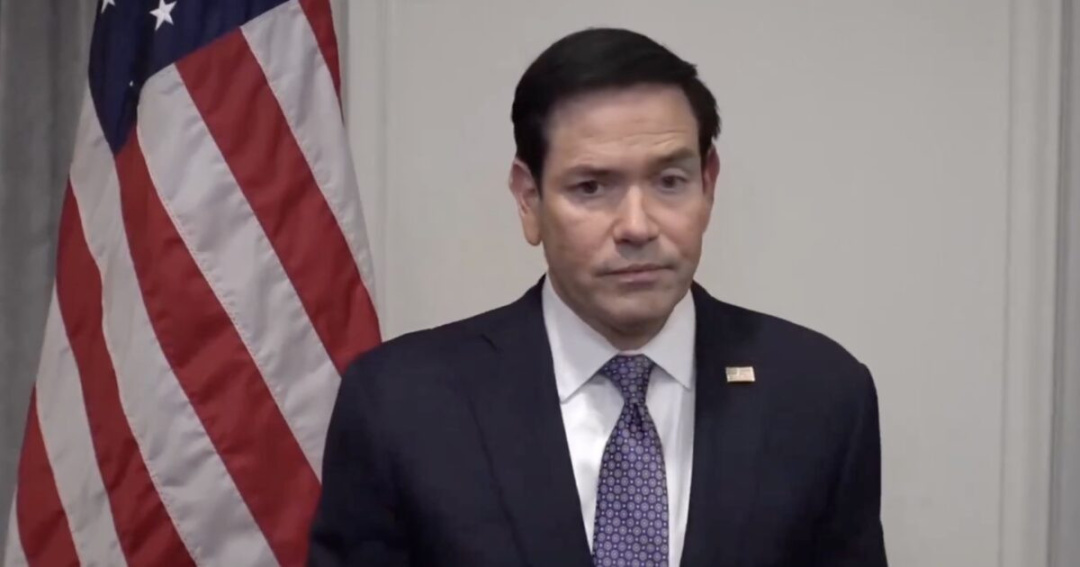
In a riveting display of bureaucratic bravado, the Trump administration has rolled out an executive order to dismantle the International Criminal Court (ICC), forging ahead with a delightfully absurd narrative that it constitutes an ‘intolerable threat to US sovereignty.’ One can almost hear the sound of constitutional scholars collectively face-palming from their ivory towers as Secretary of State Marco Rubio feverishly scribbles down his latest missive to the Wall Street Journal, where he asserts that US soldiers and officials are in peril from international laws that they neither consent to nor control.
This latest decree comes with all the pomp and circumstance of a middle school science fair project, complete with travel bans on ICC officials and a laundry list of sanctions that could give even the most seasoned diplomat a giggle fit. Why bother with nuanced diplomacy when you can slap sanctions on international legal authorities like a petulant child throwing a tantrum in a candy store? The State Department's new approach seems rooted in the belief that if you can’t control the ICC, you might as well threaten it into submission.
Still Beats Watergate:
Sponsor success. Continue reading:
Critics have pointed out that Rubio’s claims reflect a charmingly selective understanding of international law—perhaps he was too busy perfecting his golf swing to notice that the four core crimes under ICC jurisdiction (genocide, aggression, crimes against humanity, and war crimes) are considered ‘peremptory norms’ that apply universally. Nothing says sovereignty like a good old-fashioned disregard for the rights of other nations, right? It’s almost as if the administration is engaged in a game of international Monopoly, where they can just flip the board when they don’t like the outcome.
Let’s not forget the delightful irony of the US's history with the ICC. Once a champion of international justice, the US helped design the very legal architecture of the ICC, only to withdraw its support faster than a politician at a town hall meeting when confronted by tough questions. In the grand tradition of American exceptionalism, the administration has resorted to negotiating over 100 bilateral immunity agreements that would make even the most seasoned negotiator shed a tear.
Not to be outdone, the Trump administration is also poised to wield its power at the UN Security Council, where it could veto any ICC referrals with the same casual disregard one uses to skip a line at the DMV. After all, who needs accountability when you can simply use your veto power as a blunt instrument of international diplomacy?
The overarching narrative here seems to be a spectacular attempt to erode the very fabric of international law while simultaneously redefining it to suit the whims of the powerful. The Trump administration’s actions signal a willingness to normalize the idea that might makes right, paving the way for a future where international law is as negotiable as the price of a used car.
In the end, as the administration continues its crusade against the ICC, one can’t help but wonder: will we soon see a new branch of the government dedicated to dismantling international institutions one tweet at a time? The world watches with bated breath, popcorn in hand, waiting for the next act of this political theater.