White House Forms 'Tiger Team' to Pounce on Air Traffic Chaos
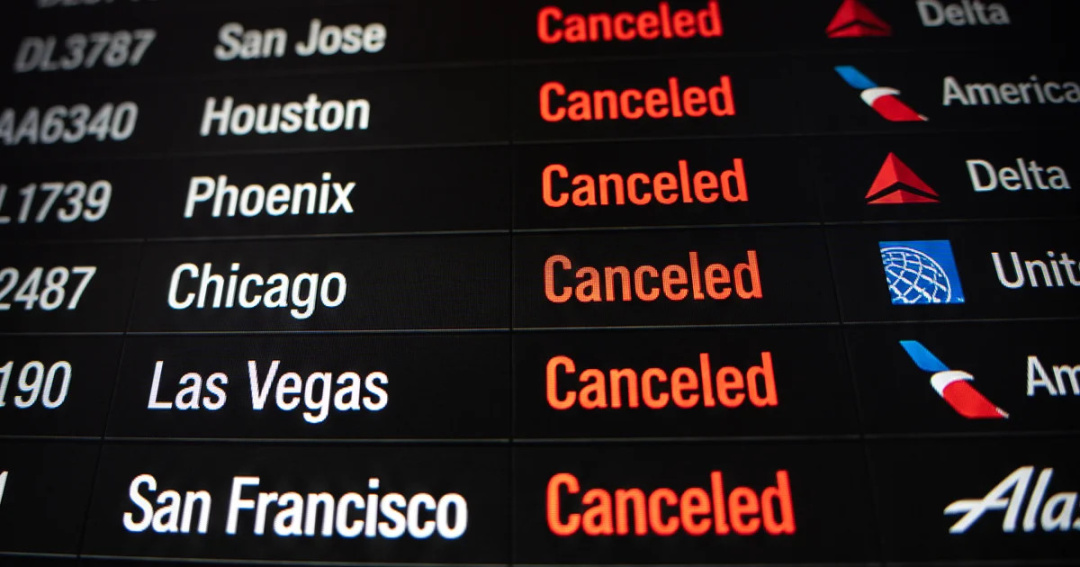
In an astonishing display of initiative, the White House has organized a "tiger team" to tackle the issue of air traffic disruptions like a pack of ferocious kittens hunting a laser pointer. This elite squad, comprised of experts from the FAA, the Office of the Director of National Intelligence, the Defense Department, and the Transportation Department, aims to ensure that routers maintain their composure during critical flight operations. Clearly, nothing says "we're in control" like assembling a team named after a predator found in a zoo.
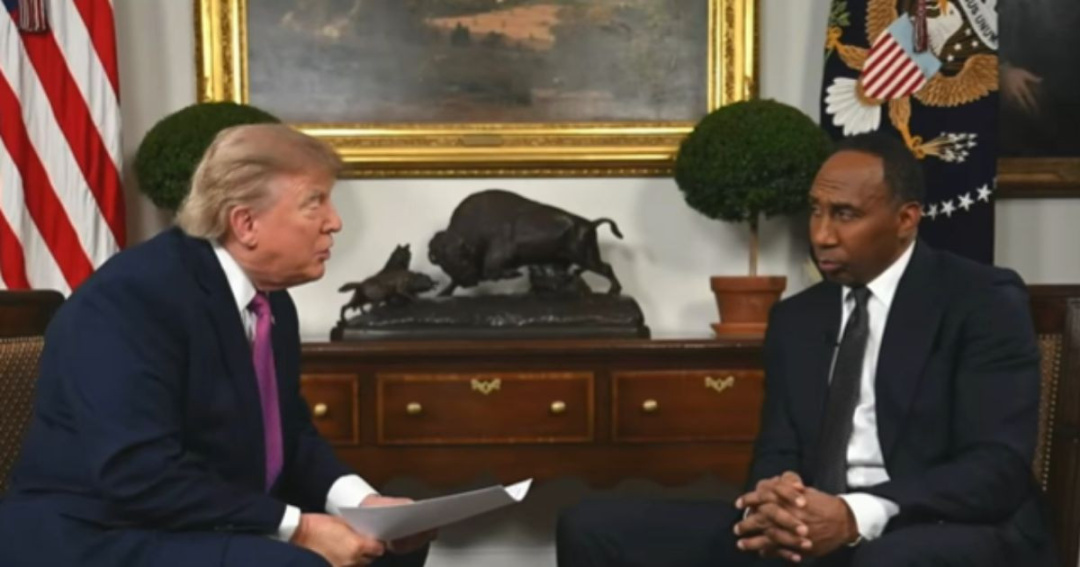
The tiger team held its inaugural meeting at the White House, which lasted a whopping four hours, a duration that clearly reflects the urgency of their mission. During this time, the team undoubtedly engaged in serious discussions about how to prevent future nationwide ground stops, which, let's be honest, sounds more like they were picking the next team-building exercise than solving actual problems. After all, what better way to avoid chaos than by gathering a group of federal officials and discussing the finer points of aviation technology over coffee?
Still Beats Watergate:
Sponsor success. Continue reading:
Just last week, a router replacement in Arkansas triggered a nationwide ground stop, causing thousands of flights to be delayed or canceled. In response, Transportation Secretary Sean Duffy insisted that they are approaching the necessary updates to the air traffic control system at the right speed—speed being a relative term when it comes to government technology upgrades. Perhaps they are just waiting for the routers to develop a sense of self-preservation?
Meanwhile, the Government Accountability Office issued a report suggesting that the FAA's modernization Efforts might be speeding ahead, but not without the risk of air traffic disruptions. Duffy, in a classic bureaucratic move, requested a staggering $50 billion from Congress to ensure that the air traffic control systems can be upgraded, presumably so that routers don’t start fainting during peak flight hours.
While officials like President Trump have blamed antiquated equipment for the recent debacle, one can’t help but wonder how many more tiger teams it will take before the FAA's technology resembles something built after the 1990s. Intelligence agencies, meanwhile, have ruled out any foul play, which is a relief, as nothing says "national security" like a router having a meltdown.
With the tiger team now on the case, there is a collective hope—if one can call it that—that the skies will remain clear of delays and drama. And if that fails, perhaps there will be a new committee formed to address the emotional trauma experienced by passengers. After all, isn't that what government is really about?
The Quest for Streamlined Aviation
The formation of this tiger team only highlights the absurdity of the situation: can a group of well-intentioned experts really solve the deeply rooted issues of an outdated system by simply showing up and discussing it? Or are they merely the latest in a long line of committees that seem designed more for appearances than actual results? As the FAA struggles with cost estimates and project timelines, one can’t help but fantasize about the day when air travel won't feel like a scene from a disaster movie.
In the end, the tiger team's true power may not lie in their ability to fix the air traffic system, but rather in their ability to distract us all from the chaos that continues to unfold. So, for now, we watch with bated breath as this team of experts embarks on their noble quest to ensure our skies remain annoyance-free, all while knowing that the real danger may still lurk behind the outdated equipment.
Your Takeaway
While the tiger team may not save us from future ground stops, it certainly adds a feral twist to our understanding of government interventions. Here's hoping their efforts will bring about meaningful change, or at least some amusing headlines in the meantime.