Trump Administration Announces New Initiative: Defund Classics, Fund Commemorative Statues
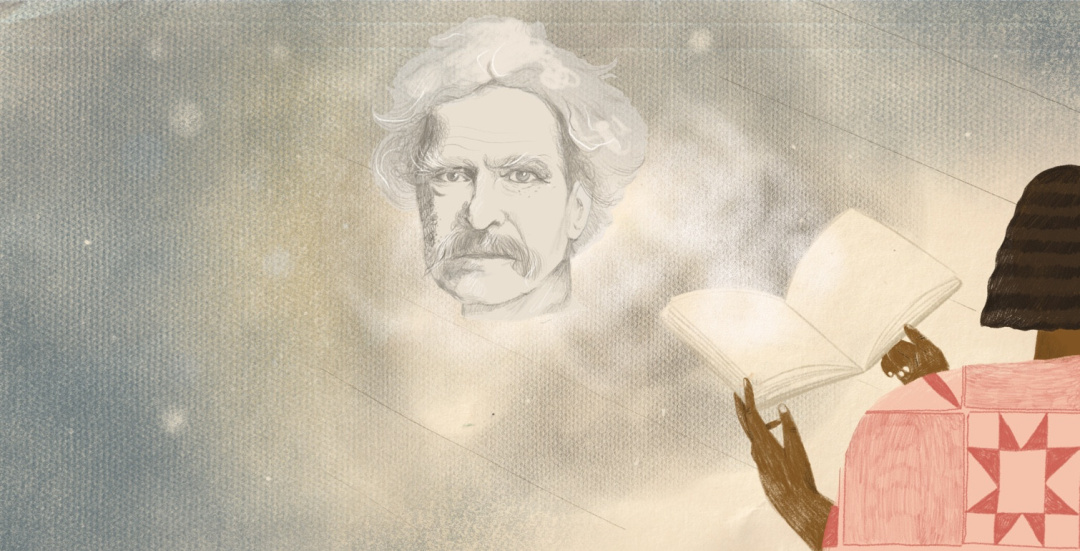
In a shocking yet predictably absurd maneuver, the Trump administration has officially announced a new initiative aimed at redefining what constitutes valuable American culture. Gone are the days when the federal government supported literary archives like the Mark Twain Papers and Project. Instead, funding will now be funneled towards the construction of grandiose statues celebrating historical figures, because nothing says progress like a 30-foot bronze tribute to someone who never wrote anything remotely controversial.
The decision comes after the administration abruptly canceled a $450,000 grant intended for the Twain archive, a move that has left literary scholars in disbelief and statuesque politicians gleeful. It seems that America’s literary giants—who often tackled uncomfortable truths about race, society, and humanity—have been deemed less worthy of public support than their marble and granite counterparts, who are content to simply stand there and look pretty.
Still Beats Watergate:
Sponsor success. Continue reading:
In a press briefing that felt more like a stand-up comedy routine than a legitimate government announcement, White House Press Secretary announced the new cultural direction. "We believe it’s time to embrace the uplifting narratives of our past rather than dwell on the messy realities that authors like Twain loved to dissect. Why read about the struggles of the human condition when we can just erect statues that embody the idealized versions of history?"
The administration is clearly prioritizing aesthetics over substance, signaling to the nation that the real heroes are those who can be immortalized in stone rather than those who grappled with the complexities of our shared history through the written word. In a world where Twain's biting satire is sidelined, it’s comforting to know that we can still achieve great heights in the realm of statuary.
Critics argue that this initiative represents a concerning trend toward cultural censorship, where challenging literature is replaced by sanitized monuments that offer no real engagement with difficult topics. But rest assured, the administration has it all figured out. In a clever twist, they plan to fund a series of statues representing figures who were decidedly uninvolved in America’s intricate moral dilemmas, hoping to create a visual narrative that aligns perfectly with their agenda of denial.
As part of this initiative, schools will receive new guidelines on how to handle classic literature. Teachers will be instructed to replace discussions of Twain’s themes with field trips to the nearest statue. "Why bother getting into the nitty-gritty of social commentary when you can simply marvel at the magnificence of a statue?" the new guidance cheekily suggests. Plans to create a National Garden of American Heroes are already underway, and rumor has it that a statue of Samuel Clemens is on the list—just not for his literary contributions, but as a part of the aesthetic overhaul of historical commemoration.
In an ironic twist, as the government moves to erase Twain’s words from funding considerations, they simultaneously seek to bronze his likeness in a new garden dedicated to ‘true heroes’—a contradiction that could make even Twain chuckle from beyond the grave. It’s clear that in the world of the Trump administration, the past is not just prologue; it’s a sculptural exhibition that must be curated with extreme care to avoid any uncomfortable truths.
While the nation braces for this cultural shift, one can only hope that future generations will have access to more than just the cold, hard surfaces of bronze. Perhaps one day, they’ll also stumble upon the living, breathing complexities of literature that reflect the messy, beautiful reality of the human experience. Until then, we can look forward to a future littered with statues, each one a silent monument to the stories we’ve chosen to forget.