Trump's Newest Strategy: Negotiating by Fire and Fury
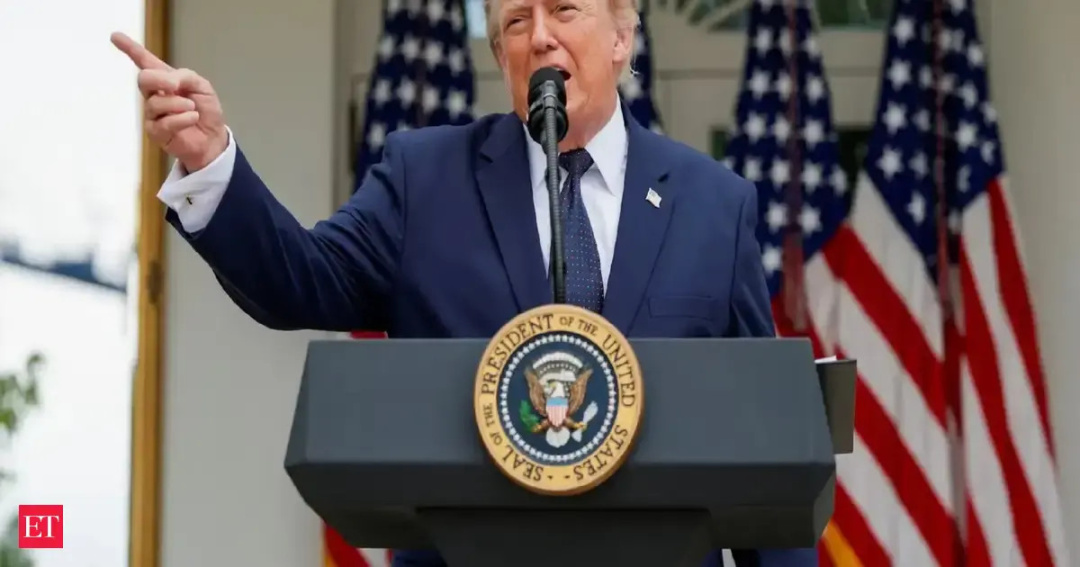
In a shocking display of diplomacy, President Trump has unveiled his latest negotiating tactic: threatening to obliterate Iranian power plants and bridges unless they come to the table for talks. This audacious strategy, reminiscent of a high-stakes poker game where all the chips are actually missiles, is being hailed by some as a bold move in international relations and by others as just Tuesday. The White House has clarified that this is not a threat, but merely a very loud suggestion.
Sources close to the Oval Office suggest that the Trump administration believes this approach will yield better results than traditional diplomacy, which, let’s face it, can be rather boring. Instead, by flexing military muscle and showcasing a willingness to unleash chaos at a moment’s notice, the President hopes to inspire fear-induced compliance from Tehran. Apparently, the old adage about catching more flies with honey has been replaced with a new one: strike first, ask questions later.
Still Beats Watergate:
Sponsor success. Continue reading:
Officials within the administration have described this as a necessary escalation, arguing that previous attempts at negotiation were met with Iranian eye rolls and sarcastic comments about American foreign policy. Spokesperson Kayleigh McEnany reiterated that the President will not stop until he has “everybody left with a deal,” which begs the question: does he even know what a deal is? Is it like a buy-one-get-one-free sale on military action?
Moreover, the timing of these threats raises eyebrows. The military strikes, now in their fourth consecutive day, appear to be less an exercise in strategy and more a desperate attempt to distract the public from more pressing domestic issues, like the ongoing pandemic and economic turmoil. Nothing says ‘successful leadership’ quite like diverting attention away from your own backyard with a well-placed missile strike.
The White House insists that this is a calculated move, a seamless blend of firepower and diplomacy. However, skeptics argue that it resembles more of a toddler throwing a tantrum in a candy store, demanding that others play by their rules or face the consequences. In a world where the stakes are nuclear, one can’t help but wonder if this is really the path to peace or just another episode of 'America's Got Bombs.'
As the days tick down to the promised attacks, analysts are left to ponder the implications of this strategy. Will Iran respond with calm negotiation or retaliatory strikes of their own? Only time will tell. In the meantime, the rest of the world watches, popcorn in hand, waiting for the next act of this bizarre political theater where the script seems to have been written by a committee of toddlers armed with crayons and a world map.
In conclusion, if President Trump’s new negotiation strategy is successful, it could redefine international relations as we know it. But if it fails, well, let’s just say the fallout might be more than just metaphorical. Without a deal in place, it seems the game of chicken has never been more dangerous, or more absurd.