Jenson Huang's Comeback Strategy: War Room or Just a Room?
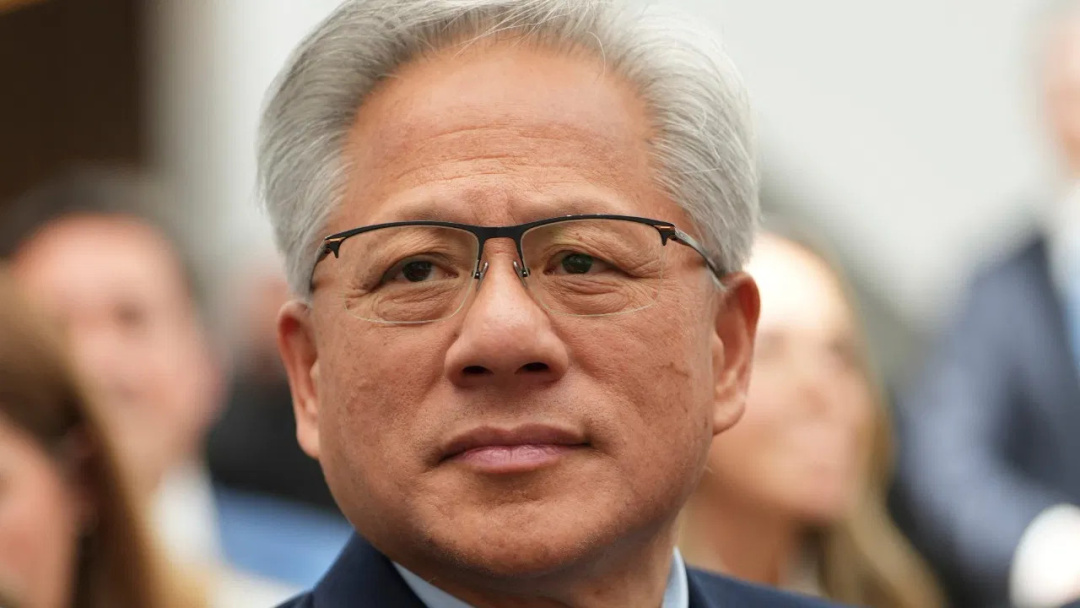
Jenson Huang, the recently departed CEO of Nvidia, is back in the news, not for his groundbreaking technology but for staging one of Hollywood's more melodramatic comebacks. Just days after resigning, Huang is reportedly gathering a 'war room' of power players from Silicon Valley, transforming it into a shiny bunker of executive dreams and fervent hopes for his return. One can't help but wonder if this is more about reviving a career or simply finding the best avocado toast in town.
The ambitious plan involves rallying big names, including the likes of Elon Musk and Tim Sweeney. Together, they will seek to leverage their connections—because, as we all know, nothing says 'I can run a billion-dollar company' like a group chat filled with tech titans. Their ultimate goal? To generate enough media buzz that the White House will feel pressured to endorse Huang's rise from the ashes of his own resignation. Talk about political theater—if this doesn’t get a few Hollywood executives excited, I don't know what will!
Still Beats Watergate:
Sponsor success. Continue reading:
It's almost poetic that Huang's supporters are counting on the very same institutions that facilitated his downfall to reinstate him. The idea that a successful petition could sway the powers that be has become a rallying cry for many in the tech industry. And just like that, it seems the White House has become the latest player in this ongoing drama, where the lines of corporate governance blur with political maneuvering. One can only imagine the Oval Office's reaction: "What’s next, a White House reality show?"
As Huang's former colleagues attempt to reignite their support for him, one question looms large over this whole charade: will any of this actually work? Perhaps the administration will issue a statement, endorsing Huang’s courage to challenge the status quo—right before they ask him to stop calling. While Huang's supporters bask in the glow of their collective influence, it’s essential to remember that these are still just whispers in the grand scheme of executive decisions.
Is 'war room' just code for 'meeting'?
Huang's team insists the 'war room' is a serious initiative—though one can’t help but picture it as a swanky lounge filled with bean bags instead of battle plans. If the logistical effort is any indication, they might as well throw in a few co-working spaces. After all, it’s easier to strategize while sipping artisan coffee than from a stuffy boardroom.
By throwing around phrases like "war room" and "rallying support," Huang's allies unwittingly highlight the absurdity of corporate politics. Perhaps the press should start monitoring the number of times the word "innovation" appears in their promotional materials. Watching this unfold feels less like a corporate comeback and more like a sitcom where everyone is trying to outsmart one another, but no one seems to know what the stakes are.
In the end, as Huang and his comrades prepare for battle—complete with PowerPoint presentations and coffee breaks—one thing is clear: the tech industry has never been shy about its theatrics. As they await a response from the White House, we can only hope that someone reminds them that the real world doesn’t always operate like Silicon Valley’s latest startup.
The absurdity of executive politics
So, what does this all mean for the average shareholder or dedicated Nvidia employee? The jury is still out, but as Huang dreams of reclaiming his throne, the rest of us are left to marvel at the circus that is corporate America. Perhaps this is a wake-up call for companies everywhere: if you're going to make a big decision, be prepared for the spotlight, or else risk becoming just another character in a never-ending sequel of executive drama. Who will win in this latest chapter? Only time—and perhaps the White House—will tell.