Supreme Court to Weigh Trump's Asylum Ban, Or How to Turn Persecution into a Paper Trail
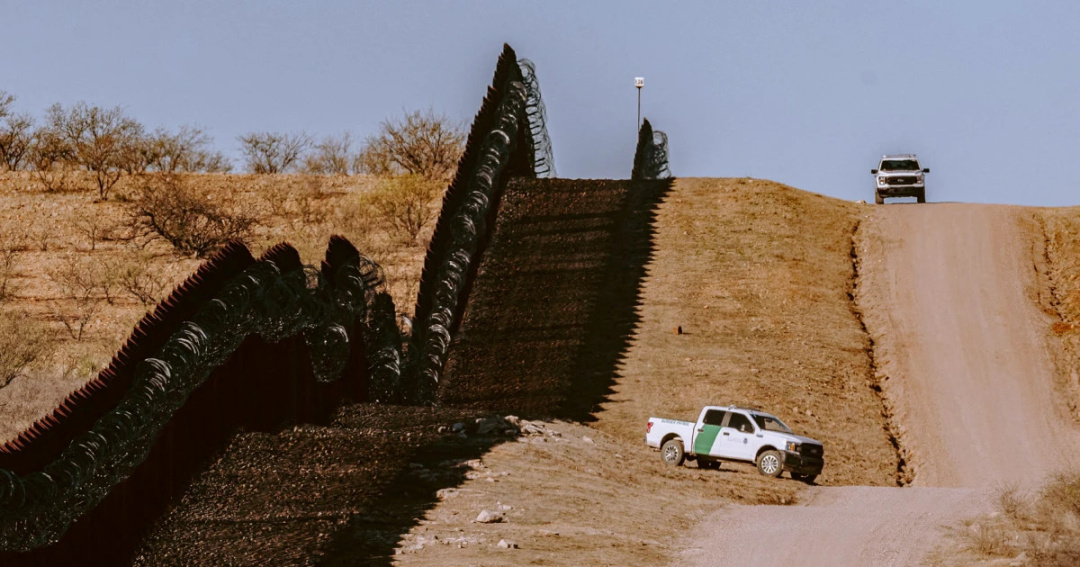
The Supreme Court has agreed to consider President Trump’s executive order banning asylum seekers at the southern border, a decision that critics argue could redefine fleeing persecution into an administrative process akin to filing for a rebate.
The Trump administration insists that blocking asylum applications is not only legal but necessary, arguing that the southern border is facing an ‘invasion’ of people seeking safety, with the administration claiming to be the frontline warriors in this imaginary battle. They write regulations with the fervor usually reserved for drafting holiday cards, always emphasizing how much they care about ‘protecting the integrity’ of our borders—right before they clip the wings of those hoping to escape death and torture.
Still Beats Watergate:
Sponsor success. Continue reading:
Federal attorneys are cheerily bragging that the proclamation has led to a 93 percent decline in border encounters, which they claim is a significant victory—unless you consider how that number represents the people who can no longer apply for asylum. It’s as if the administration sees fewer asylum seekers as evidence of success, not as a humanitarian crisis. In the same breath, they tout the effectiveness of their measures while simultaneously erasing the very concept of seeking refuge.
On the other side of this legal tug-of-war, the American Civil Liberties Union and various human rights groups are crying foul. They argue that this executive action is merely an attempt to create a new bureaucratic removal system that circumvents the legal protections intended for those running from real danger. They argue that the administration's approach is like a bad sitcom plot where the heroes refuse to acknowledge the actual threats—leaving the audience to wonder when the laugh track kicks in.
Amidst this backdrop of legal wrangling lies a deeper absurdity: the notion that the right to seek asylum could be treated as a quota system, with the executive branch deciding who is worthy based on criteria more befitting a reality television show than a compassionate society.
As the Supreme Court prepares to hear this case, it’s clear that the outcome could redefine the parameters of international asylum law. The justices will decide whether people escaping persecution will have access to the legal framework designed to protect them—an outcome that may well lead to the establishment of a bureaucracy so tangled that Kafka himself would be left scratching his head.
The administration's self-proclaimed triumph in this decision-making is not just a legal battle; it’s a battle for the heart of the American ethos. Are we a nation that stands for the oppressed, or merely a fortress intent on keeping out any hint of vulnerability? As the justices deliberate, the stakes are high—not just for those seeking asylum, but for the very soul of our legal system.
The Irony of Executive Control
This case is not merely a legal issue; it’s a battle of ideologies, pitting the ideals of asylum against a backdrop of exclusion. The irony is rich: the executive branch claims the ability to deny asylum based not on individual circumstances but on a generalized fear of numbers. As if by painting a target on the backs of those fleeing persecution, they’ve somehow found a way to legitimize their quest for control under the guise of security.
As we await the decision expected by summer, the real question that looms is whether America will opt for a bureaucratic solution to a humanitarian crisis, or whether it will uphold the principles that it has long touted as foundational. If the Supreme Court sides with the administration's ban, we may discover that the path to safety is not only fraught with paperwork but also littered with the consequences of political expediency.
Your takeaway
In a time when the principles of justice are under scrutiny, this case serves as a microcosm of larger societal issues. The outcome may not only affect those seeking refuge but may also redefine our collective identity and what it means to be a nation built on the promise of safety and freedom for all.
The Supreme Court’s impending decision promises to echo through the corridors of power, leaving us with the stark realization that the scales of justice might just be weighed down by the very mechanisms meant to protect them.