Miller’s New Lobbyist Restrictions: Because Accountability Is Just a Desk Away
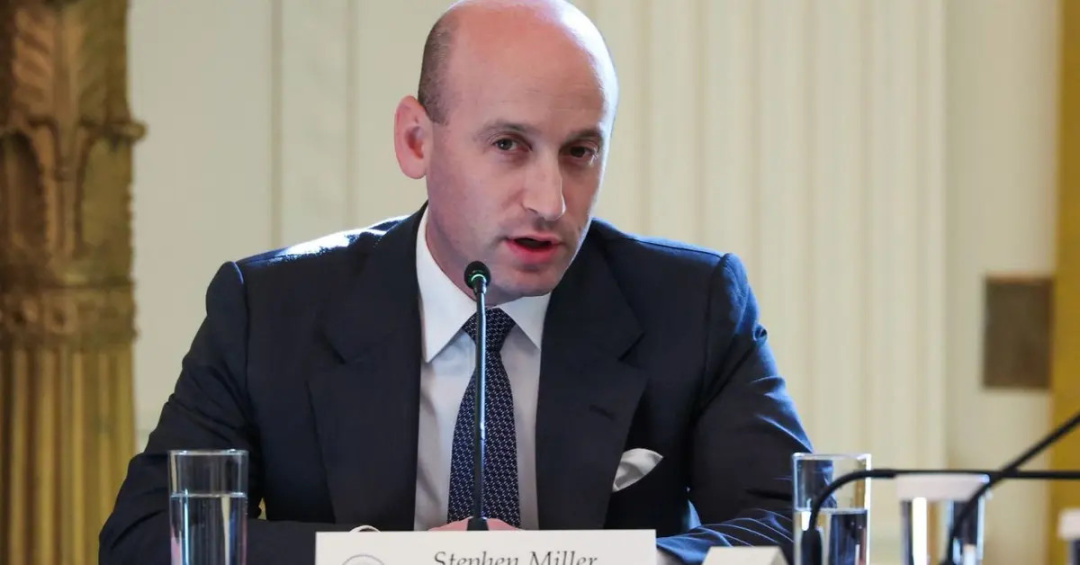
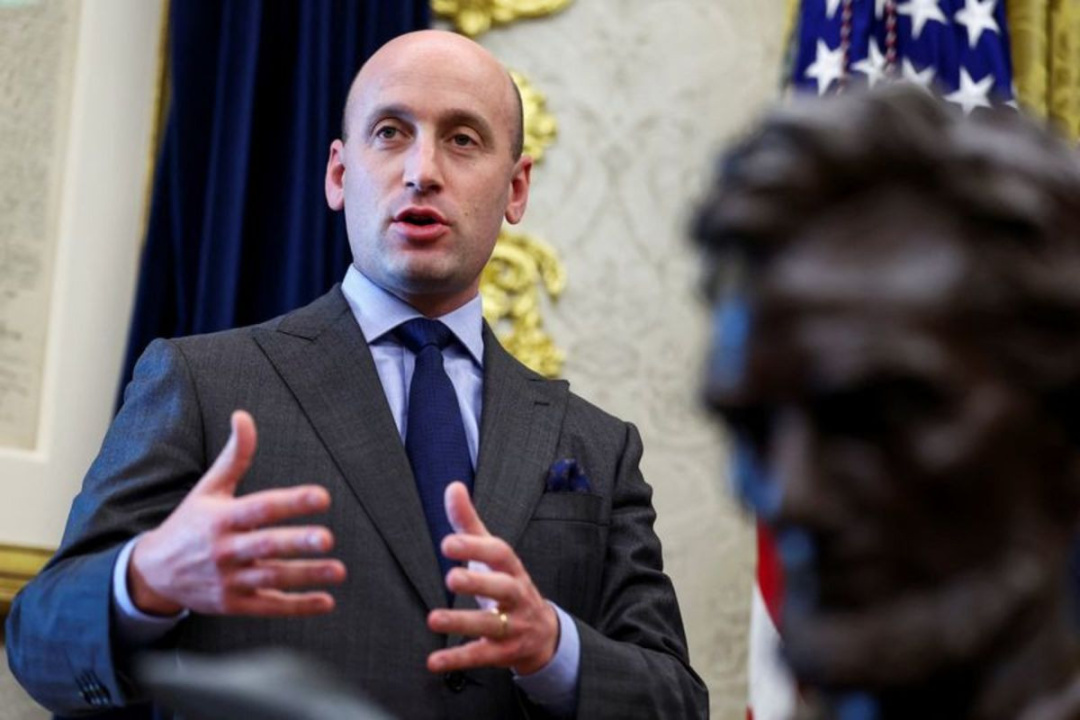
Stephen Miller, the newly minted chief of staff, has tightened the reins on White House interactions with lobbyists, ensuring that any meeting between staff and registered lobbyists must first receive a stamp of approval from the Office of White House Counsel. This directive doesn’t just tighten the rules; it transforms the act of engaging with lobbyists from a casual conversation to an Olympic event where only the most qualified of bureaucrats can secure an audience.
Under this new regime, the memo paints a heartwarming picture of an administration tirelessly dedicated to the everyday American, which is much like saying that a cat is dedicated to its owner’s lap—comfortable, purring, and definitely not interested in moving. The memo insists that no President has ever fought so valiantly for the common folk, a claim that might sound more credible if it wasn’t followed by a flourish of official regulations that seem designed to keep lobbyists at a comfortable distance.
Still Beats Watergate:
Sponsor success. Continue reading:
Miller’s adjustments come on the heels of controversy surrounding former chief of staff Susie Wiles, who faced accusations of rolling out the red carpet for corporate interests. One can only assume that Wiles was merely trying to help corporate America feel warm and welcome in the cold, bureaucratic halls of power. Now, with Miller at the helm, any lobbyist eager to chat about policy must first endure a rigorous vetting process, likely involving multiple forms, a few signatures, and perhaps a lie detector test, just to ensure they’re not hiding any ulterior motives behind that charming smile.
Interestingly, the new approval process doesn’t outright ban lobbyists from the White House; it merely ensures that the privilege of speaking with policymakers is reserved for those who can navigate the red tape better than they can navigate the actual issues at hand. In reality, this means that only the most persistent—or most resourceful—lobbyists will be able to wrangle a meeting, leading to a heightened sense of exclusivity around access that would make any VIP lounge jealous.
Navigating Bureaucracy for Access
As for the Office of Public Liaison, it’s still in charge of managing the administration’s relationships with outside groups and stakeholders, providing a designated pathway for communication that seems designed to filter out the riffraff. The administration’s commitment to ensure that every voice is heard, as long as it’s approved and appropriately registered, is a classic reflection of bureaucratic optimism—if you can jump through enough hoops, your voice might just get a chance to echo in the Oval Office.
The implications of these new guidelines are clear: for every ordinary American hoping for a word with their elected officials, they’ll need to first find a lobbyist to vouch for them, should they wish to stand a chance against the wall of red tape. And while the rest of us might be left wondering if our voices will ever reach the ears of those in power, Washington will continue to keep things wonderfully complicated, a bureaucratic ballet where only those skilled in the art of paperwork get to dance with the stars of the administration.
Your Takeaway
As the dust settles on this latest policy shift, one can’t help but ponder what the future holds for those in the lobbying world. With Miller, known for his hardline approach, steering the ship, the influence of corporate interests may not disappear entirely, but it will certainly require a more convoluted strategy to secure access to decision-makers. The irony is thick; as the administration positions itself as the champion of the working class, it simultaneously reinforces the idea that only those with the right connections—and a penchant for paperwork—will gain entry to the corridors of power.
In the end, while these new regulations may sound like a step towards greater accountability, they also reveal the absurdity of a system where access to power relies more on bureaucratic finesse than genuine representation. The ordinary American may be celebrated in speeches, but their path to influence remains a complicated maze, where only the most adept navigators emerge with their voices heard amidst the clamor of corporate lobbying. The White House is certainly busy, but it appears that it’s mainly busy ensuring that the right people are talking to the right people—just not any of those pesky regular folks who might disrupt the status quo.