FAA Declares Airspace Open, Passengers Not Included
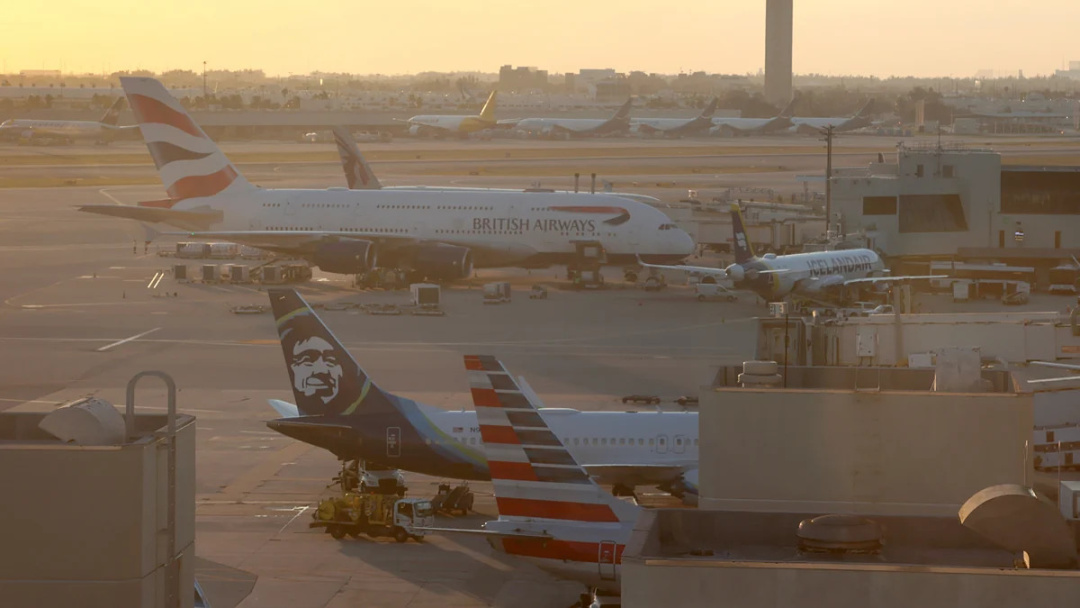
In a shocking display of bureaucratic efficiency, the FAA triumphantly announced the end of its nationwide ground stop, promptly reminding travelers that the sky is now officially open, but the ground is still a confusing mystery. At approximately 8:15 p.m. EST, Transportation Secretary Sean Duffy declared airspace reinvigorated, while simultaneously advising patience to those hoping to board a flight.
The ground stop, which began earlier that day due to what officials termed "extraordinary circumstances," quickly became the longest such halt since the September 11 attacks, a fact that surely had nothing to do with the age-old crisis of outdated technology. Duffy, in his best impression of an optimistic air traffic controller, assured reporters that the telecommunications outage affecting air traffic control centers had been stabilized, though no one seemed quite sure how.
Still Beats Watergate:
Sponsor success. Continue reading:
As he elaborated on the situation, Duffy highlighted the need for $50 billion in upgrades to the air traffic control system, which sounds like a comforting amount of tax dollars being put to good use—if only the tech could keep up with the demand. Meanwhile, over 4,700 flights were canceled and an astonishing 10,000 delayed, leaving the public to ponder just how extraordinary these circumstances truly are.
What is particularly impressive is the way officials managed to turn a crisis into a press opportunity, presenting a well-timed briefing that felt more like a victory speech than a response to chaos. The message was clear: while the air may be open, the ground was still a hot spot for confusion.
Reassurances Amidst Systemic Failures
In this charade, Homeland Security Secretary Markwayne Mullin chimed in, reassuring everyone that the communications failure was not a cyber threat, likening it to a malfunctioning toaster rather than a cyberattack. All of this gives the impression of an agency scrambling to regain control over an air traffic system stuck in the 1990s, a real testament to government ingenuity when it comes to mismanagement.
Your takeaway
For the average traveler, though, the sense of urgency from the top felt utterly misplaced. After all, what good is it to open the skies if no one can take off? The FAA's grand reopening announcement is a bit like throwing a party in a house with no doors—sure, the invite is nice, but who’s really getting in?
As the dust settles and airports remain crowded with bewildered passengers, one can only wonder: if the airspace is now accessible, will the airlines also let people board? Or will they remain grounded, contemplating the inefficiencies of a system that insists the skies are clear while the gates remain shut?