Supreme Court to Rule on Trump's 'Single Most Important' Action—Asylum Denied!
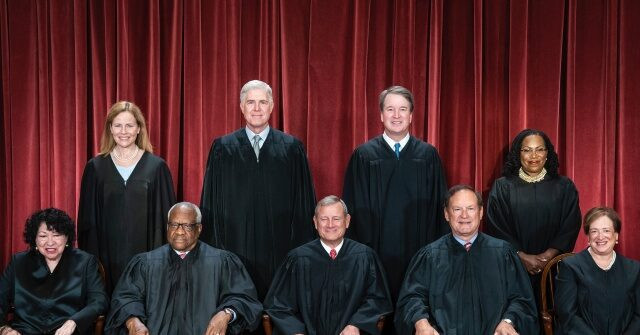
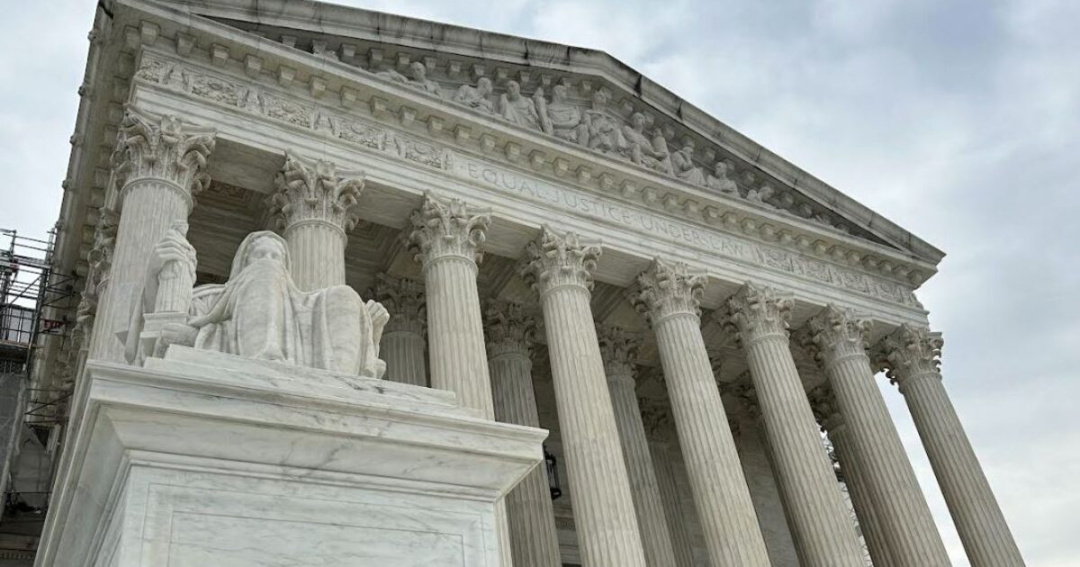
When the Supreme Court of the United States (SCOTUS) announces it will consider the constitutionality of a presidential order, you know it must be earth-shattering. In this case, it's President Trump’s executive order known as Guaranteeing the States Protection Against Invasion, which prevents migrants from even trying to approach the southern border to request asylum. This reform is touted by officials as the "single most important" change to U.S. immigration policy, which is like saying the last cookie in the jar is the most important part of the dessert—because, let’s be honest, it’s still just a cookie.
James Percival from the Department of Homeland Security claims that this executive order has been pivotal in achieving low illegal immigration rates, suggesting that the fewer migrants we see, the better the policy must be. It’s a bit like saying if no one shows up to a party, it must have been a fantastic event. The executive order has led to zero migrant releases from the border—a major change from the previous administration, where tens of thousands would be released monthly. With fewer than 9,000 illegal arrests in September alone, the administration is celebrating a historic low as if this was the intended goal all along, rather than just a curious side effect of having no one to turn away.
Still Beats Watergate:
Sponsor success. Continue reading:
Courtroom Circus or Just Politics?
Now, as all eyes are on the Supreme Court’s upcoming deliberation, one can’t help but wonder what the ruling might say about our nation’s approach to asylum seekers. Will they agree with the administration that denying entry is a valid form of border protection? Or will they view this as a blatant dismissal of the constitutional rights of those seeking refuge? The irony is almost comical: the very act of seeking asylum could be deemed an invasion by the very laws designed to protect individuals from persecution. As the legal arguments unfold, one must consider the potential consequences of such a ruling. If the order is upheld, will future generations look back on this as a clever tactic to redefine liberty as a privilege reserved for the fortunate, rather than the fundamental right it was intended to be?
In the end, the question looms large. Is this really a protective measure, or simply a means to ensure that those at the border are too terrified to ask for help? The Supreme Court’s decision could reveal a lot about how we view our own laws and values. Perhaps, at the very least, we might finally establish what it truly means to be a sanctuary.
The Absurdity of Legal Theater
As the court prepares for its deliberations, the public is left to ponder the absurdity of the entire situation. What happens if the Supreme Court rules in favor of the administration? Will we finally codify the idea that asking for help is equivalent to threatening the nation’s safety? It’s important to remember that this ruling doesn’t just impact a handful of people; it sets a precedent for how we approach immigration for generations to come. The administration is banking on a win, but the consequences could ripple through the fabric of our society.
In a world where asylum seekers are treated as invaders, we’re left wondering how far we’ve strayed from our foundational values. Could it be that the single most important action isn’t who can stay out, but rather who gets to decide who gets to stay in? That’s a question the Supreme Court might just be too afraid to answer, but one thing's for sure: it’s going to be one heck of a courtroom drama we didn’t ask for but are all forced to watch.