Trump's DOJ: Ethics Investigations Are Just 'Suggestions' from Judges!
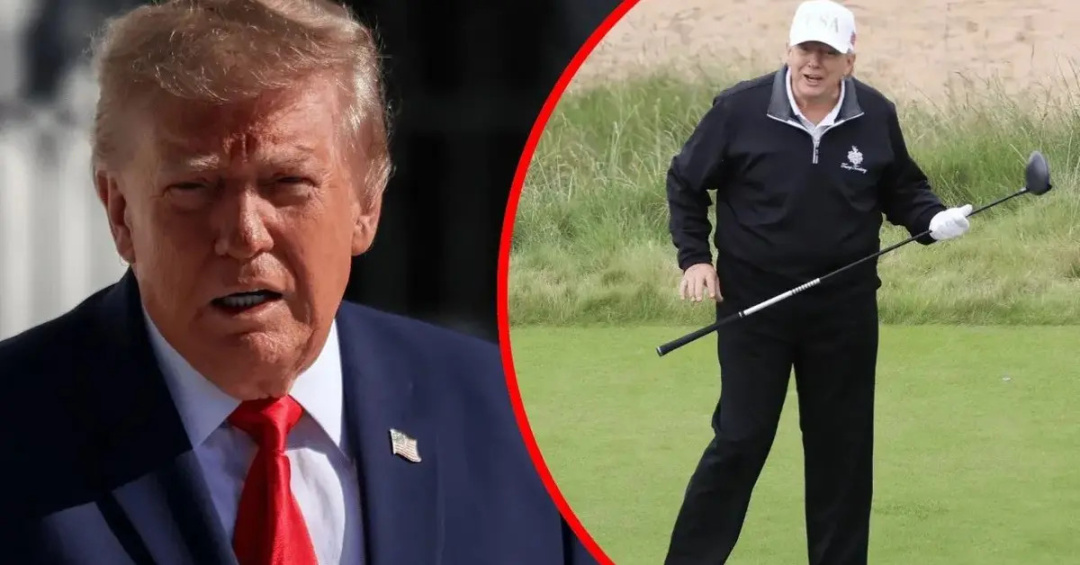
In a dazzling display of bureaucratic bravado, President Trump's Department of Justice insists that when it comes to ethics investigations, it’s really a matter of interpretation. Apparently, judges proposing to investigate alleged attorney misconduct are just tossing around whimsical ideas, like confetti at a parade.
The DOJ finds itself embroiled in a legal face-off over proposed ethics investigations linked to the administration's controversial plans to redevelop Washington, D.C.'s East Potomac Golf Course. Judge Ana Reyes, with the audacity of a mere mortal, has raised eyebrows over conflicting statements regarding the project timeline and the fate of hundreds of trees. The DOJ's response? A six-page opus declaring, "There is no reasonable basis for an ethics inquiry!" Who knew ethical standards could be so flexible?
Still Beats Watergate:
Sponsor success. Continue reading:
Judge Reyes must have missed the memo, as she continues to press for clarity. The DOJ argues that appointing a former Trump-era prosecutor to oversee the inquiry might lead to delays. Imagine that – a judicial inquiry creating a backlog in an already inefficient system! It’s almost as if the DOJ believes that skipping ethics is more efficient than following them.
Without a hint of irony, the DOJ claims that any findings from an outside investigator would require extensive judicial review. Perhaps they believe that the court should only conduct inquiries that don't interfere with the fun of public office. In this topsy-turvy logic, ethics might just be a suggestion, akin to the optional toppings on a political sundae.
As the drama unfolds, it becomes clear that the DOJ is less about accountability and more about dodging inquiries like a seasoned political athlete. The court is left holding the bag – or perhaps just holding its breath – as the ethics dust-up continues to swirl.
The Court's Role in Ethical Oversight
Will the court conduct its own inquiry? The DOJ remains defiant, arguing that such actions should be reserved for extraordinary circumstances. But isn't the ongoing debate surrounding public ethics in government just that: extraordinary? Then again, in the realm of political theater, who needs extraordinary when you have the ordinary absurdity of legal contortions?
With the judge expressing her willingness to take on the investigation herself, the real question is: will the DOJ change its tune, or will it continue to treat ethical standards like an optional leisure activity? For now, the confrontation over whether federal attorneys merit scrutiny remains unresolved, leading one to wonder if the DOJ has finally discovered a new definition of accountability: avoid at all costs!
As this ethical tug-of-war unfolds, it's evident that the Trump administration prefers to keep accountability at arm's length. With the court poised to step in, the DOJ's insistence that ethics inquiries are just suggestions creates a chilling precedent for future legal battles. Ethics may no longer seem like a serious matter, but rather a whimsical notion best left to the imagination of judges.
Applied to you
Despite the theatrical resistance to the ethics inquiry, the real lesson here might be that in the world of political escapades, the display of accountability often takes a backseat to the performance art of denial. The DOJ's stance hints at a broader strategy: one where ethical considerations are negotiable, and accountability is a distant concept, only invoked at the pleasure of the administration.
As the dust settles, we can only hope that the court's judgment isn't just another act in the ongoing spectacle of political theater. After all, when accountability is optional, it seems the only thing left to investigate is the art of deflection itself.