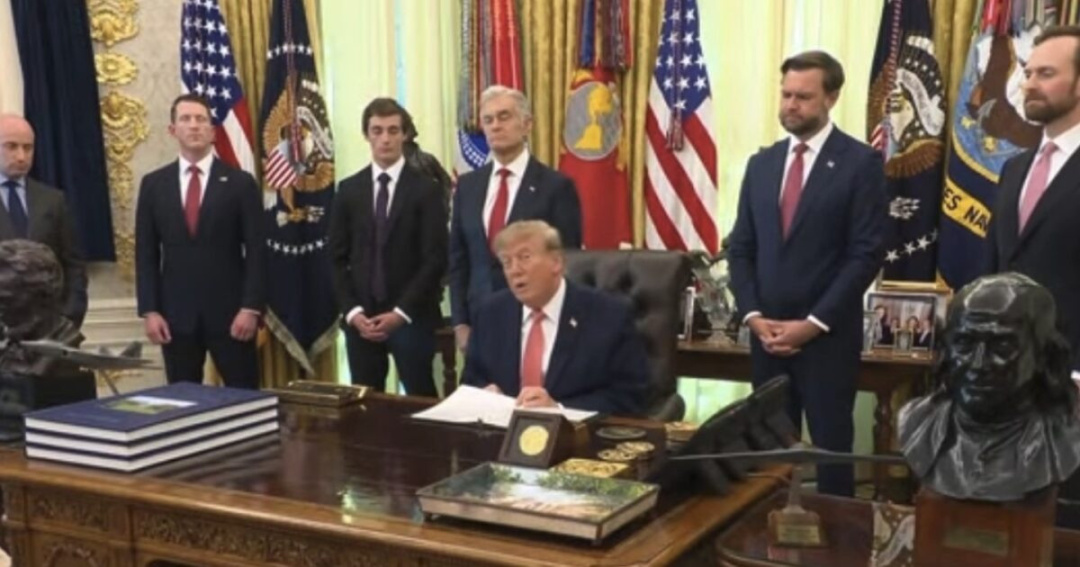
Trump's New Executive Orders: A Blueprint for Bureaucratic Chaos

In a bold, if not entirely baffling, attempt to reshape federal bureaucracy, the Trump administration has unveiled a series of executive orders that seem to prioritize chaos over clarity. The latest memo suggests that all government agencies must now adopt a new mantra: "Less is more, unless it involves paperwork, then it’s more is more." This refreshing twist on bureaucratic logic could only come from a team that has mastered the art of governance through confusion.
The new guidelines encourage agencies to create overlapping responsibilities, ensuring that no single employee knows who is in charge of what. This initiative has been dubbed the "Everyone's Job is No One's Job" plan, and insiders are already buzzing about its potential to generate unprecedented levels of inefficiency. The hope is that by blurring the lines of responsibility, agencies can finally achieve that elusive goal of doing nothing effectively.
Still Beats Watergate:
Sponsor success. Continue reading:
One particularly ambitious order mandates that all communications be conducted via interpretive dance. This groundbreaking approach aims to foster creativity and eliminate miscommunication, all while ensuring that any actual information is lost in a flurry of awkward gestures and confused expressions. According to sources, staffers are already taking ballet classes to prepare for this new era of executive expression.
Meanwhile, the Department of Redundancy Department has been tasked with reviewing the new policies to ensure that they are as redundant as possible. In a statement released with all the seriousness of a cat meme, the department reassured citizens that they are committed to ensuring that every policy is reviewed at least three times before being implemented—if it ever gets implemented at all.
Critics of the administration have expressed concern that these new orders will simply lead to more confusion and frustration among federal employees. However, administration insiders remain optimistic, arguing that confusion is simply a new form of efficiency. After all, if everyone is equally lost, no one can really be blamed when things go wrong.
As this bureaucratic circus unfolds, one can only wonder what other whimsical policies the administration will dream up next. Perhaps a new initiative to replace all government forms with riddles? Or maybe a push to evaluate all federal projects through the lens of a reality television show?
In the end, the Trump administration continues to defy conventional wisdom, proving that when it comes to governance, the only certainty is uncertainty. And as the nation watches this new chapter in executive theater unfold, one thing is clear: at least it will be entertaining.