Montana Mining Initiative Promises Expedited Projects, But Who Needs Environmental Reviews Anyway?
In a bold move that modernizes the phrase "cutting red tape" into the 21st century, the Trump administration has unveiled plans to fast-track mining projects across Montana. This initiative, which assures the public that regulations and environmental protections will no longer stand in the way of progress, comes packaged in a new executive order that promises to make the permitting process as smooth as a freshly paved road—provided you don’t mind the potholes of public scrutiny.
The administration, in its infinite wisdom, transformed the existing FAST-41 framework—originally designed to streamline federal approval processes for infrastructure projects—into a shiny new vehicle for mining companies to navigate around pesky environmental laws. This includes a delightful expansion to cover artificial intelligence data centers, because nothing says 'clean energy' quite like a data server that needs a massive power supply. If you thought your local mining operations were lacking a tech upgrade, fear not; the fast track is here!
Still Beats Watergate:
Sponsor success. Continue reading:
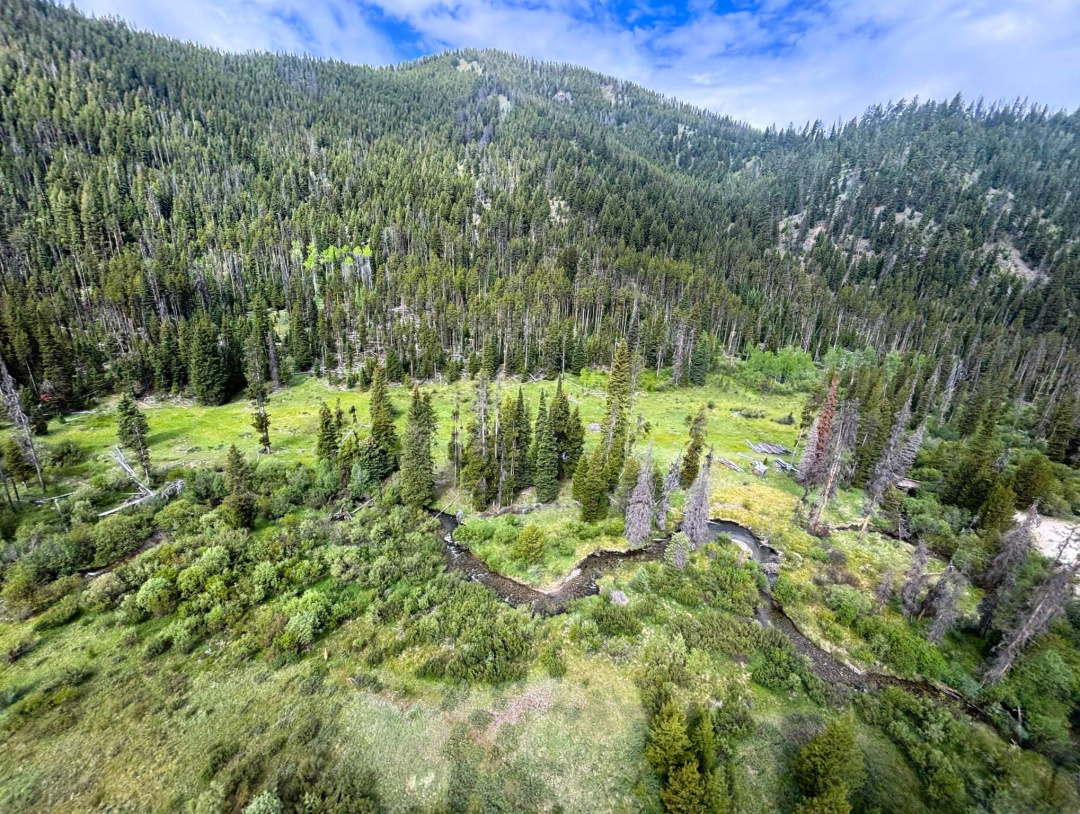
Under this new directive, Montana, a state historically defined by its rugged landscapes and a commitment to environmental integrity, has become the poster child for what happens when the need for industrial development trumps the call for ecological responsibility. "This MOU will ensure that critical infrastructure projects avoid unnecessary roadblocks after completion of federal and state environmental review processes," declared Montana Governor Greg Gianforte, as he presumably dusted off a plaque commemorating the state’s nearly non-existent mining regulations.
But for those keeping an eye on the intersection of politics and integrity, concerns have been raised. Environmental watchdogs are crying foul, suggesting that these expedited processes could turn the state into a playground for industrial giants looking to exploit resources without the burden of regulatory oversight. One can only imagine the joy of mining companies as they anticipate a future free from environmental reviews, where permits are nothing more than colorful brochures touting the latest mining ventures.
Concerns Over Transparency and Favoritism
Despite the assurances of transparency and oversight, skeptics warn that the partnership between the federal government and state officials might pave the way for political favoritism. With the promise of clarity offered by FAST-41’s dashboard, one cannot help but wonder if the reality is that the dashboard will simply display a fun map of all the environmental disasters in the making, rather than a true reflection of ecological health.
As the new MOU between Montana and the Permitting Council takes shape, industry representatives are licking their chops while environmentalists are left to ponder how much “transparency” is really just an opportunity for stakeholders to ignore laws designed to protect public health and the environment. The balance between industrial progress and environmental stewardship appears to be tipping dangerously toward the former, leaving Montanans to wonder what will be left of their state when the dust settles.
The Upward Climb of Industry Over Environment
As the governor and the Trump administration high-five over their mining renaissance, one must consider the long-term effects of such policies. What will it mean for the state’s natural beauty and the health of its people when the rush for resources replaces the need for sustainable practices? Perhaps, the so-called transparency will merely culminate in a series of news headlines detailing the transformation of Montana into a mining utopia, where the only thing cleaner than the environment is the dust kicked up by the heavy machinery.
As these fast-tracked projects roll out, how much say will the residents of Montana have in determining which projects are prioritized? Will their voices be drowned out by the sound of bulldozers eager to dig? Only time will tell if this new era of mining will truly benefit the state, or if it will simply become a cautionary tale of progress at the price of principle. In the name of efficiency, we might just get a case study in how quickly we can destroy what we claim to cherish.